February, 6 - 13 2027
Estancia
Don Joaquín
Corrientes, Argentina
Gaucho life in Argentina's untamed north. Lived, not watched.
Don Joaquín sits in the Iberá wetlands of Corrientes. It’s a family-run working estancia where days begin on horseback, meals are shared around one long table, and life follows the rhythm of the land.
Dates: 6-13 February 2027
Host: (me) Heather
Duration: 7 nights
Location: Estancia Don Joaquín, Corrientes, Argentina
Ride With: Argentine gauchos
Price: From US$2,100 per person
Weight Limit: 90 kg / 198 lb
Time in the Saddle: Approximately 4-8 hours daily
Riding Style: Multiple rides matched to experience and pace
Horses: Argentine Criollos
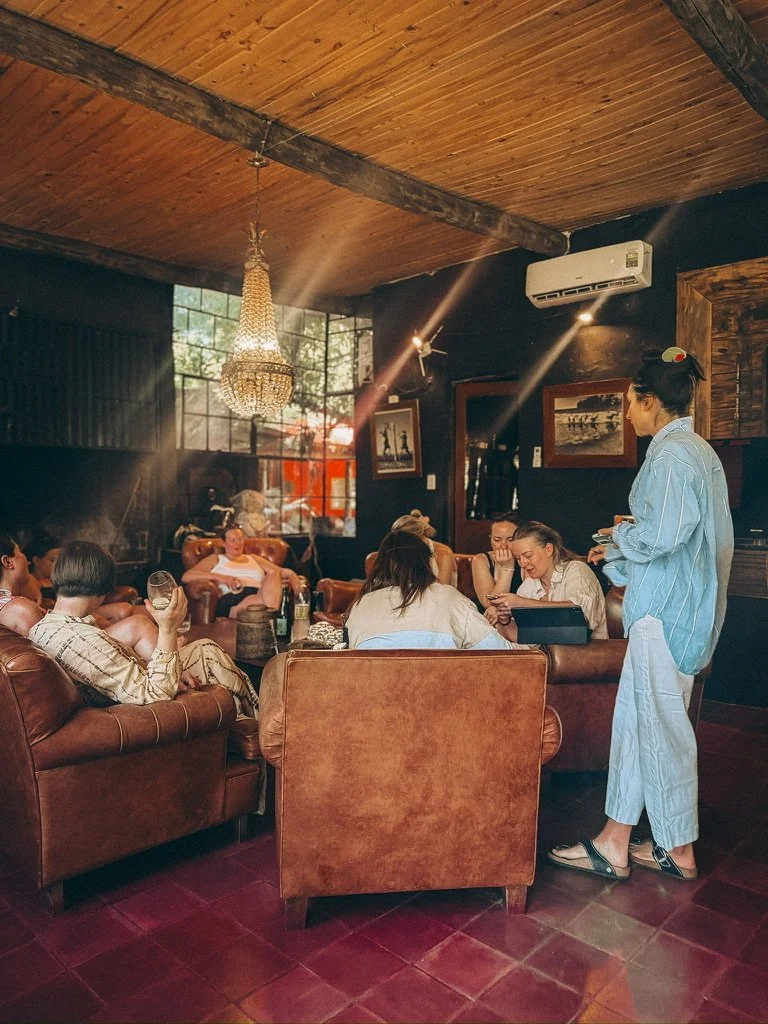
Accommodation: 15-room family-run working estancia
Languages: English & Spanish
Airport: Buenos Aires (EZE/AEP)
This is feral luxury.
The room matters.
The food matters.
The comfort matters.
But the real luxury begins beyond the door.
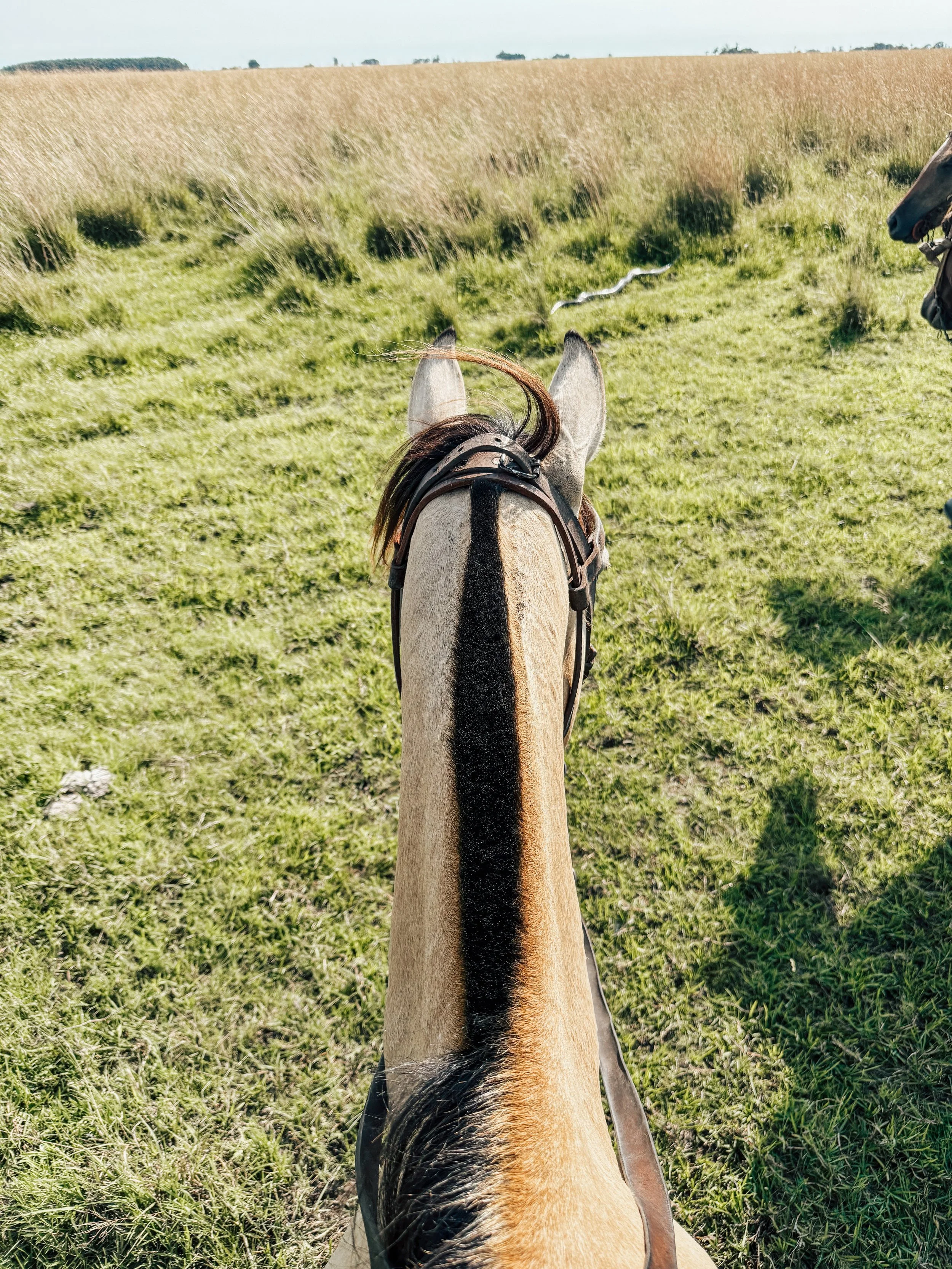
The horses.
The wildlife.
The open landscapes.
The feeling of being immersed in a place that still moves at its own pace.
FIELD NOTES
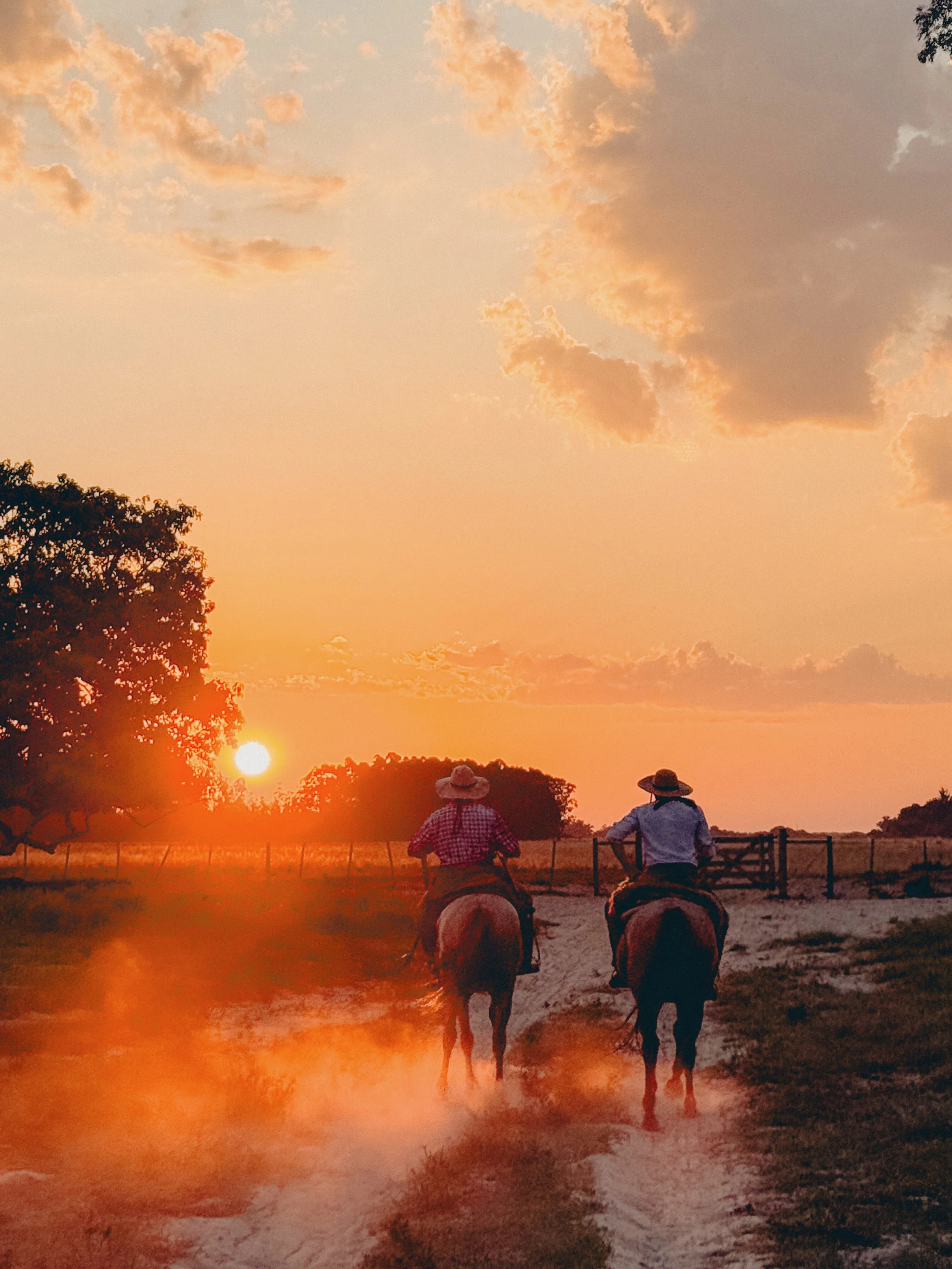
Sunrise comes early. By the time the heat settles over the esteros, everyone is already looking for shade. Then, as the light softens, the horses are saddled again.
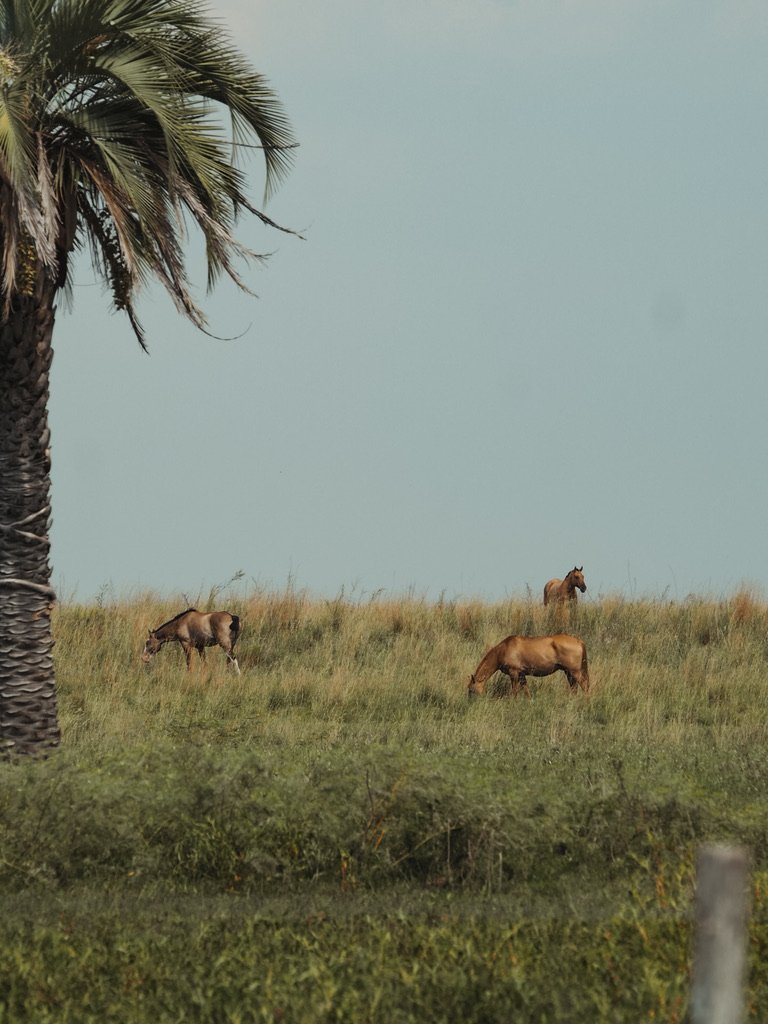
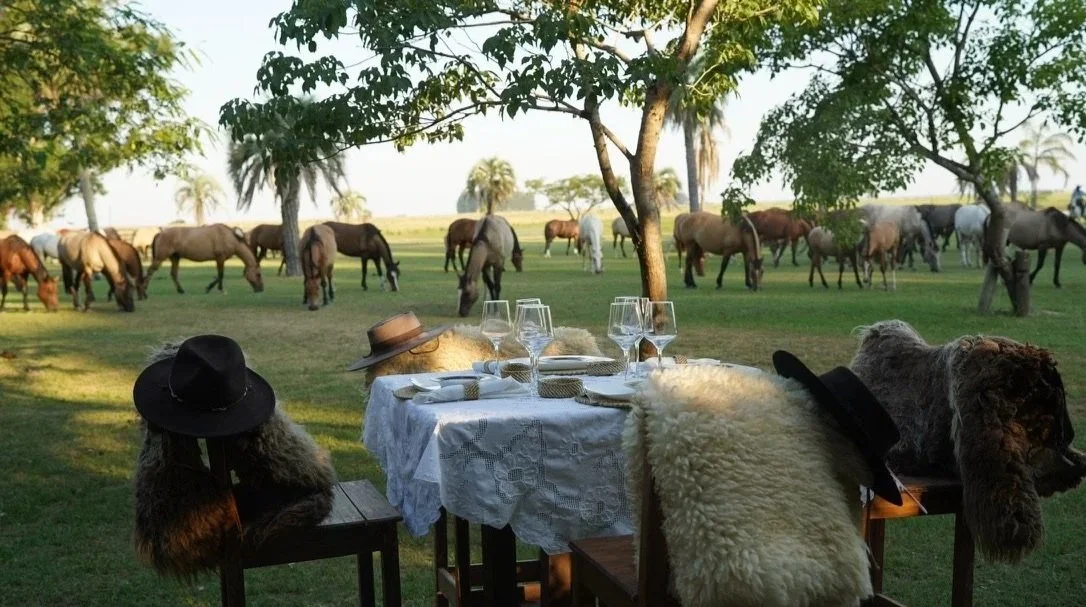
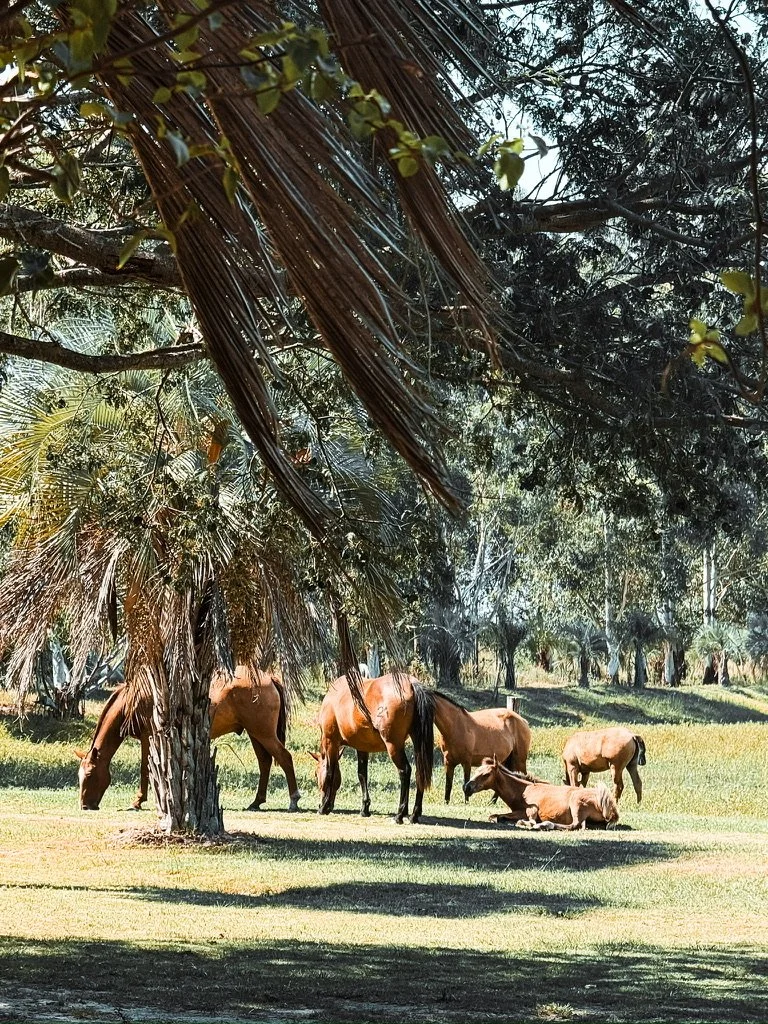
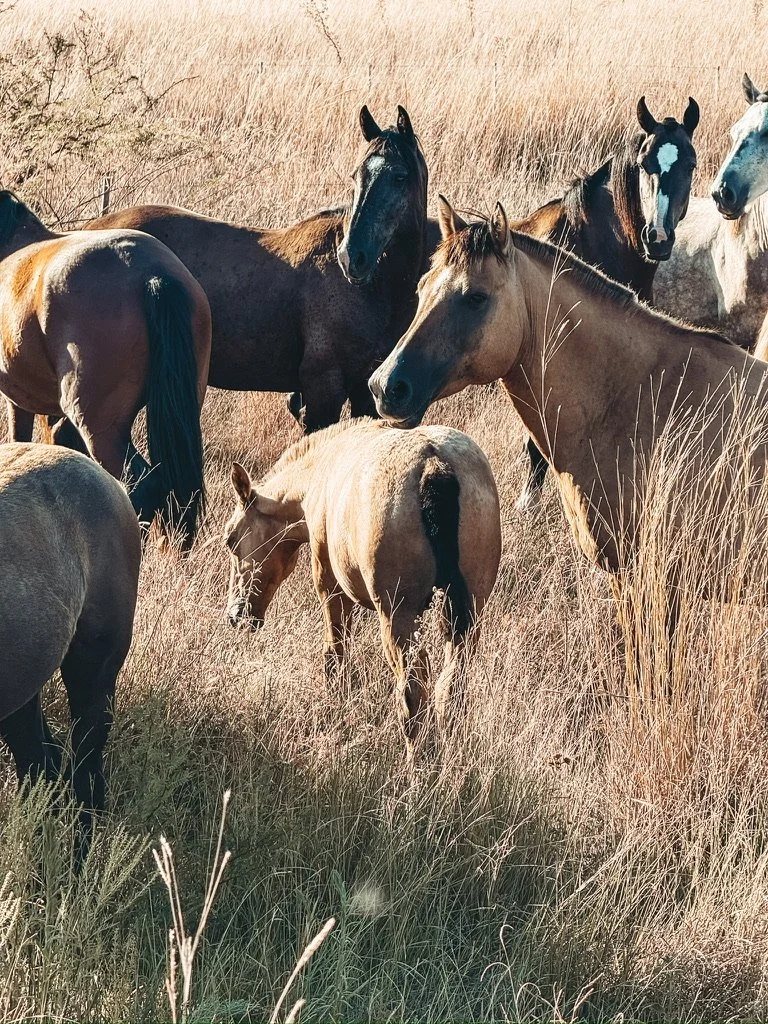
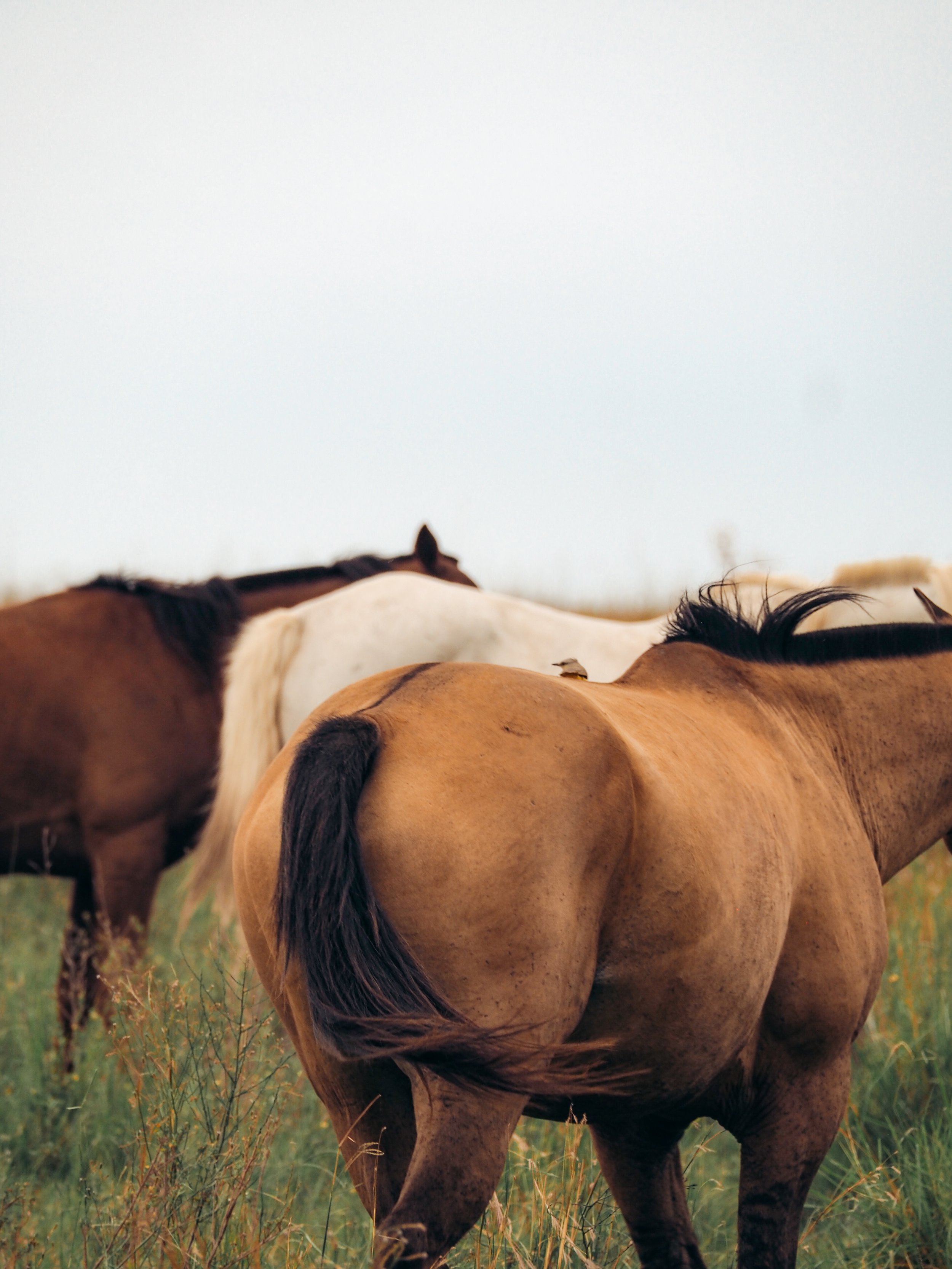
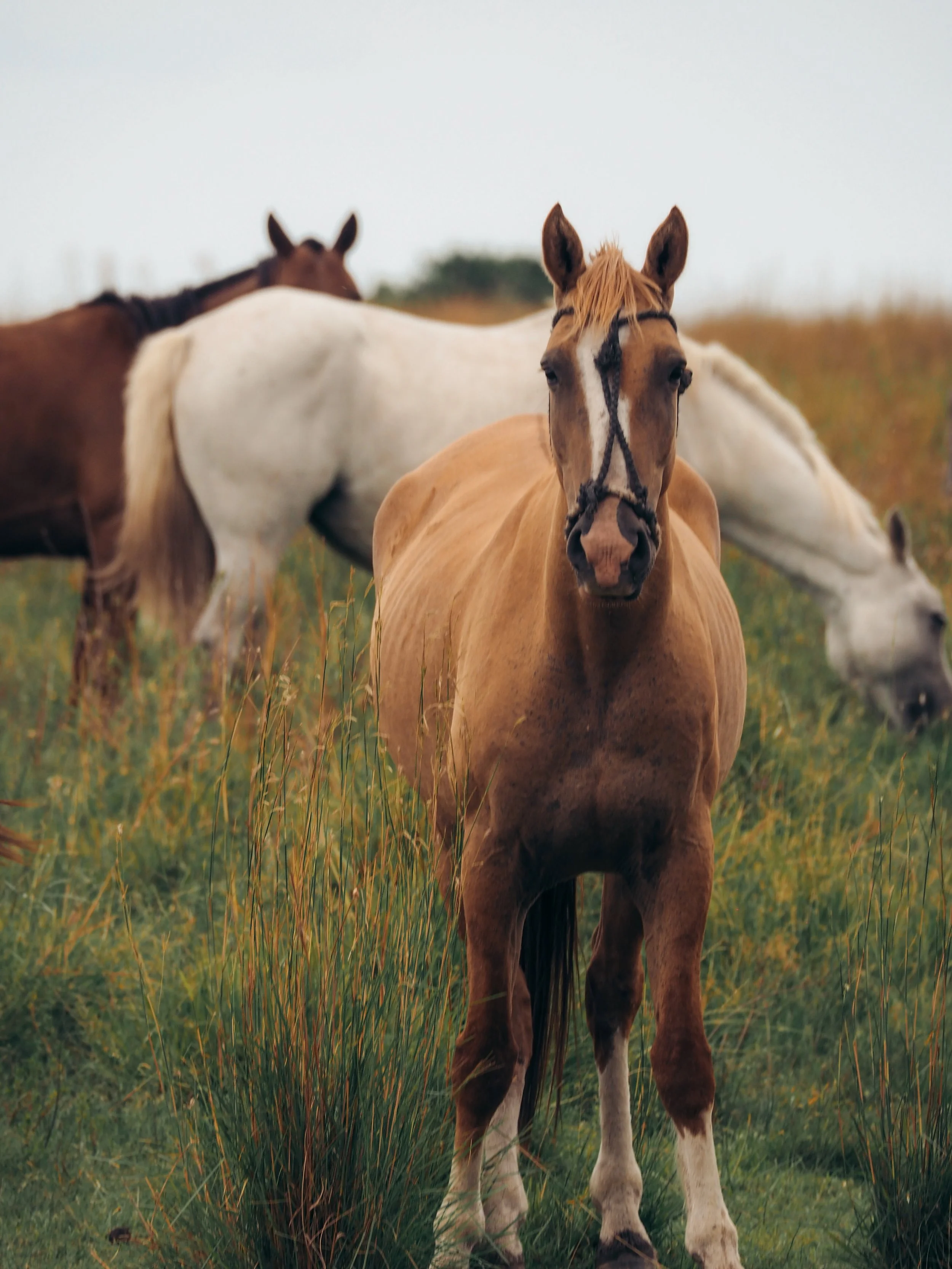
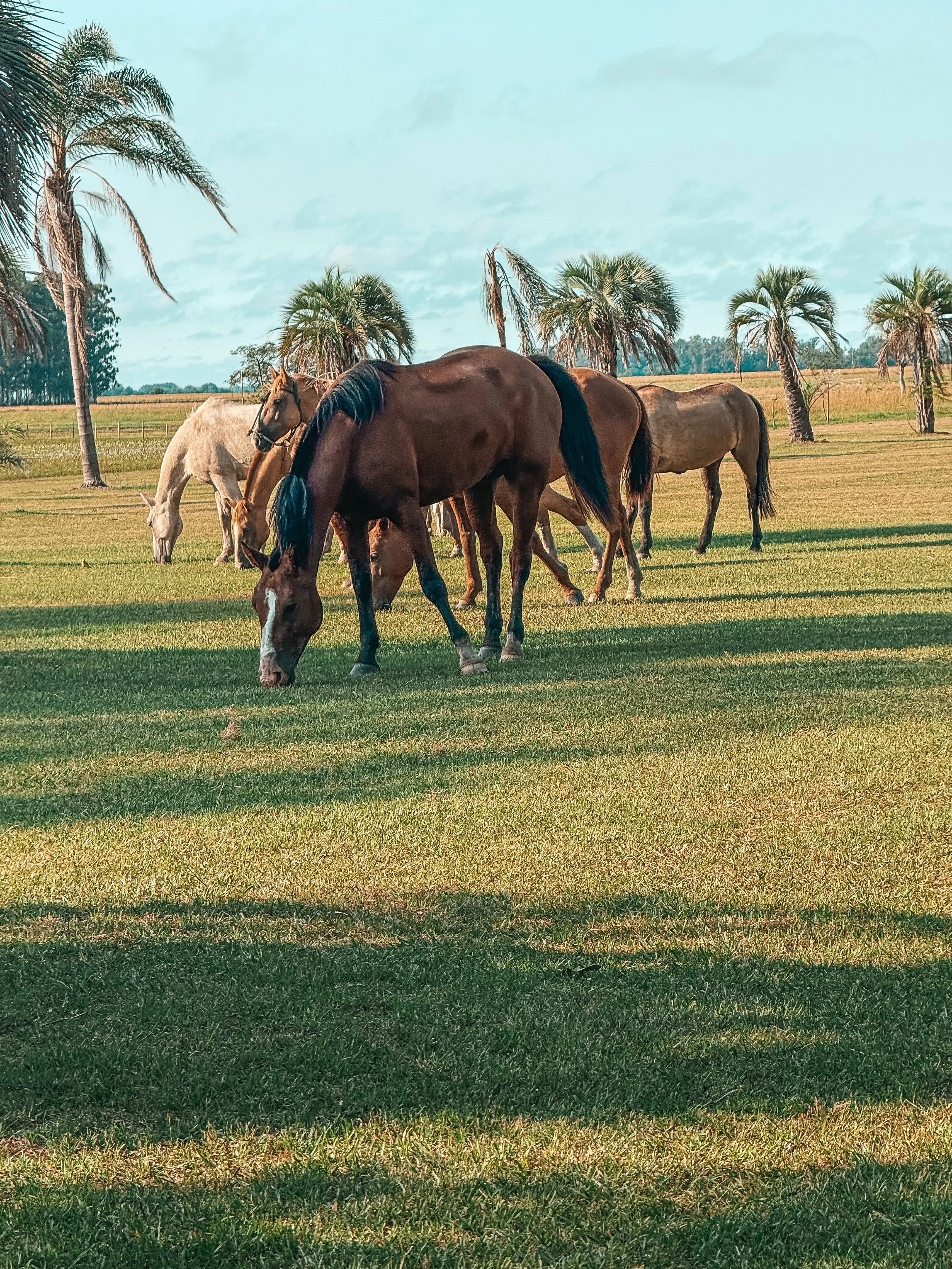
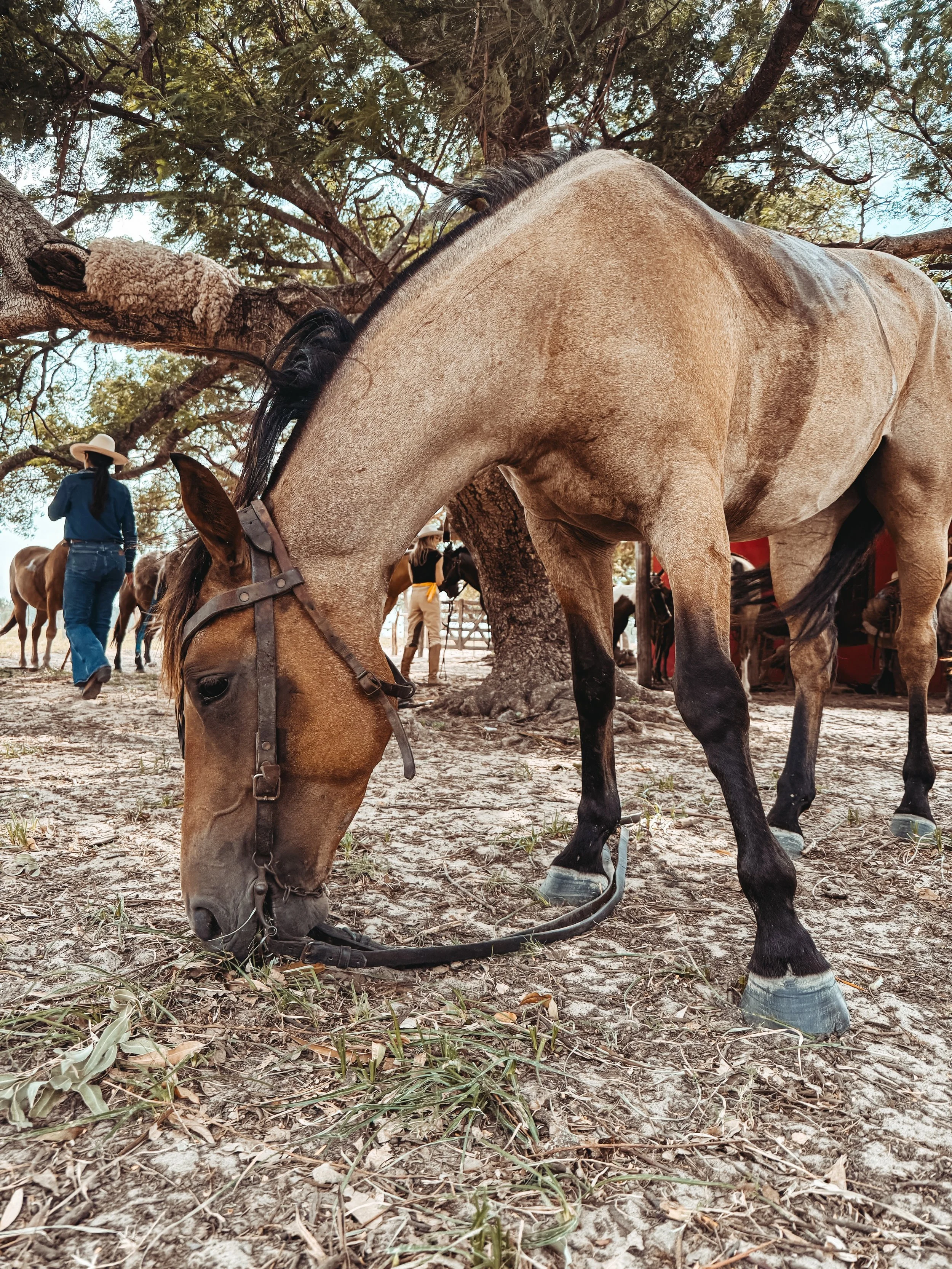
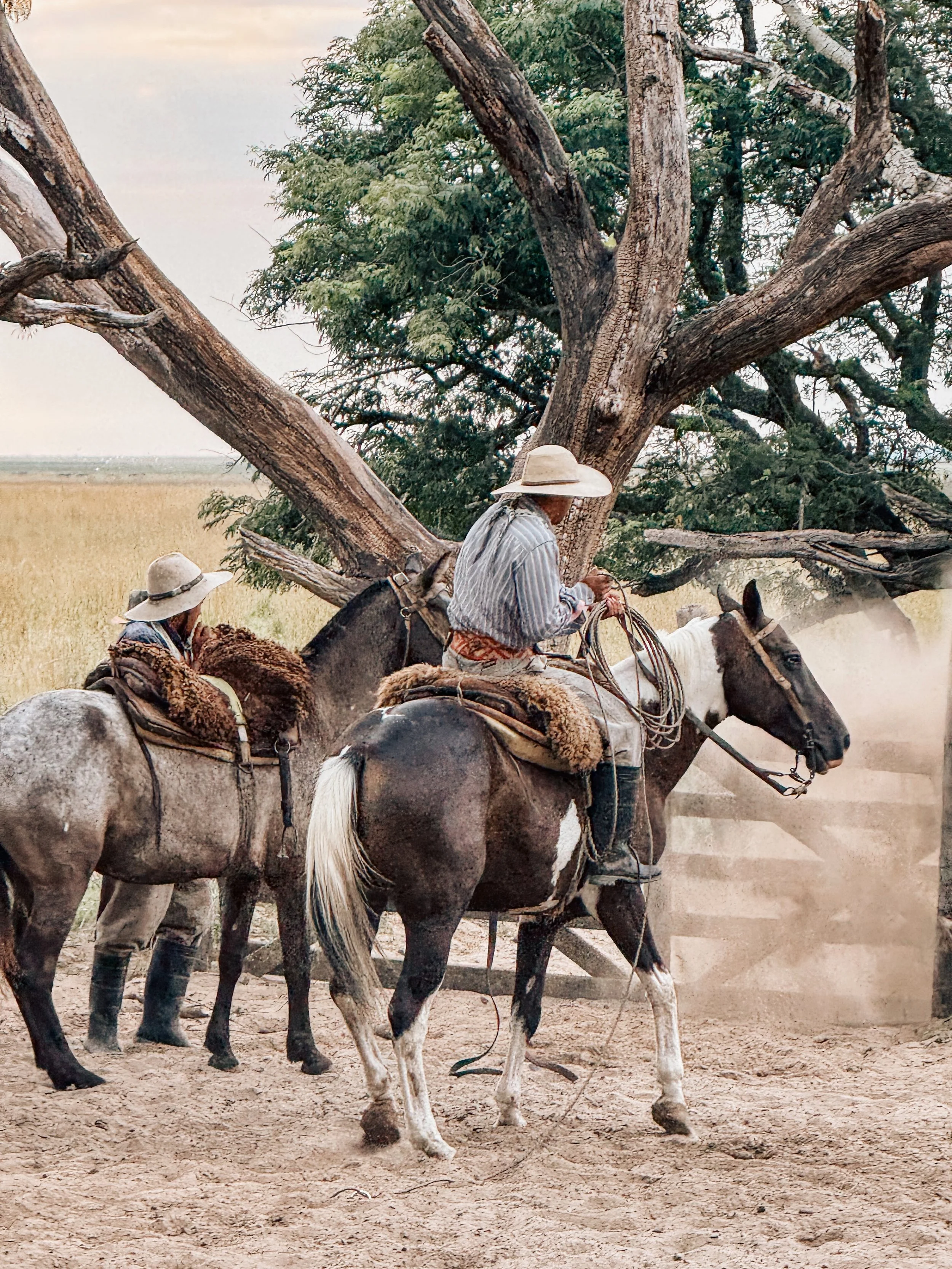
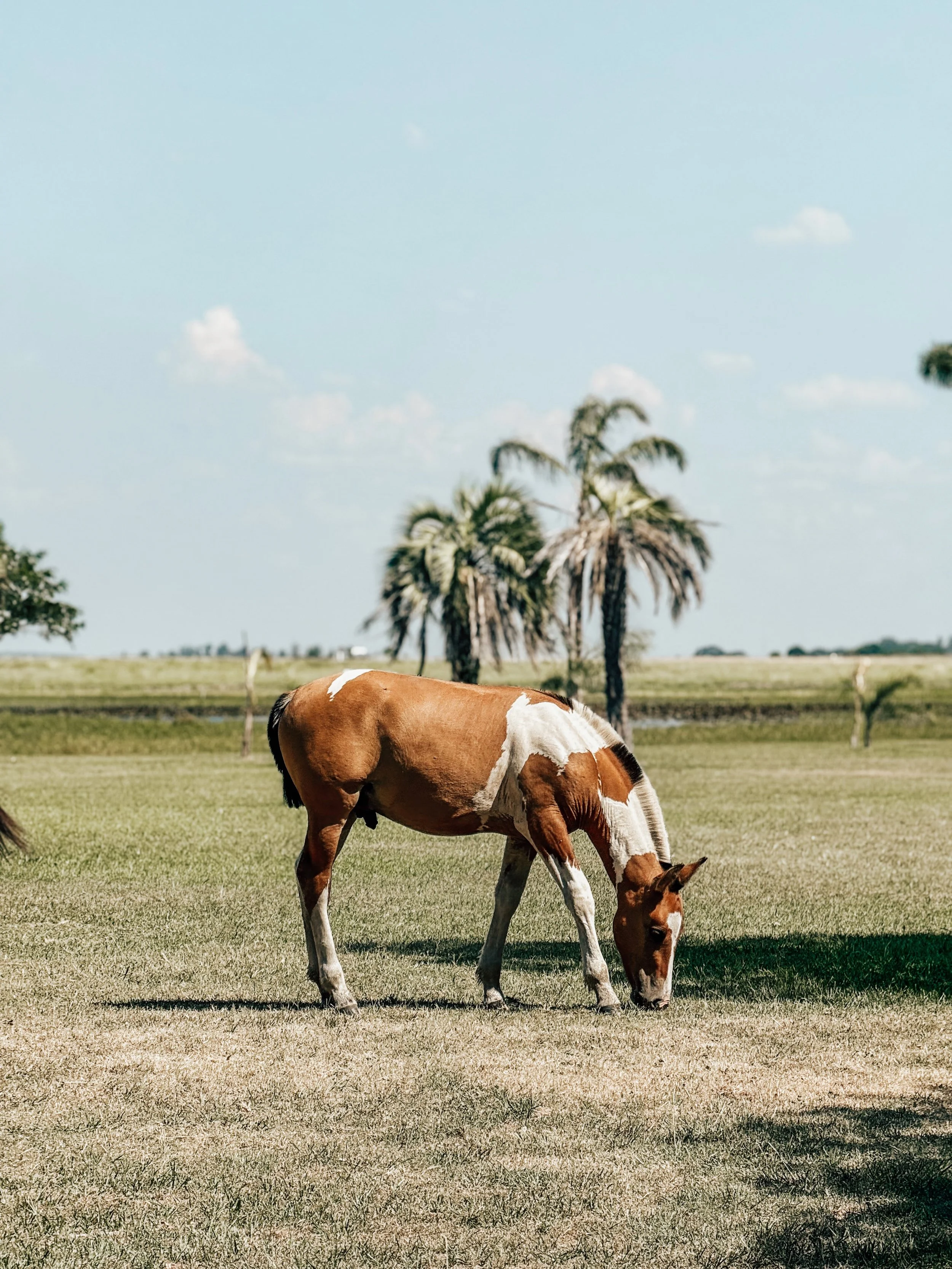
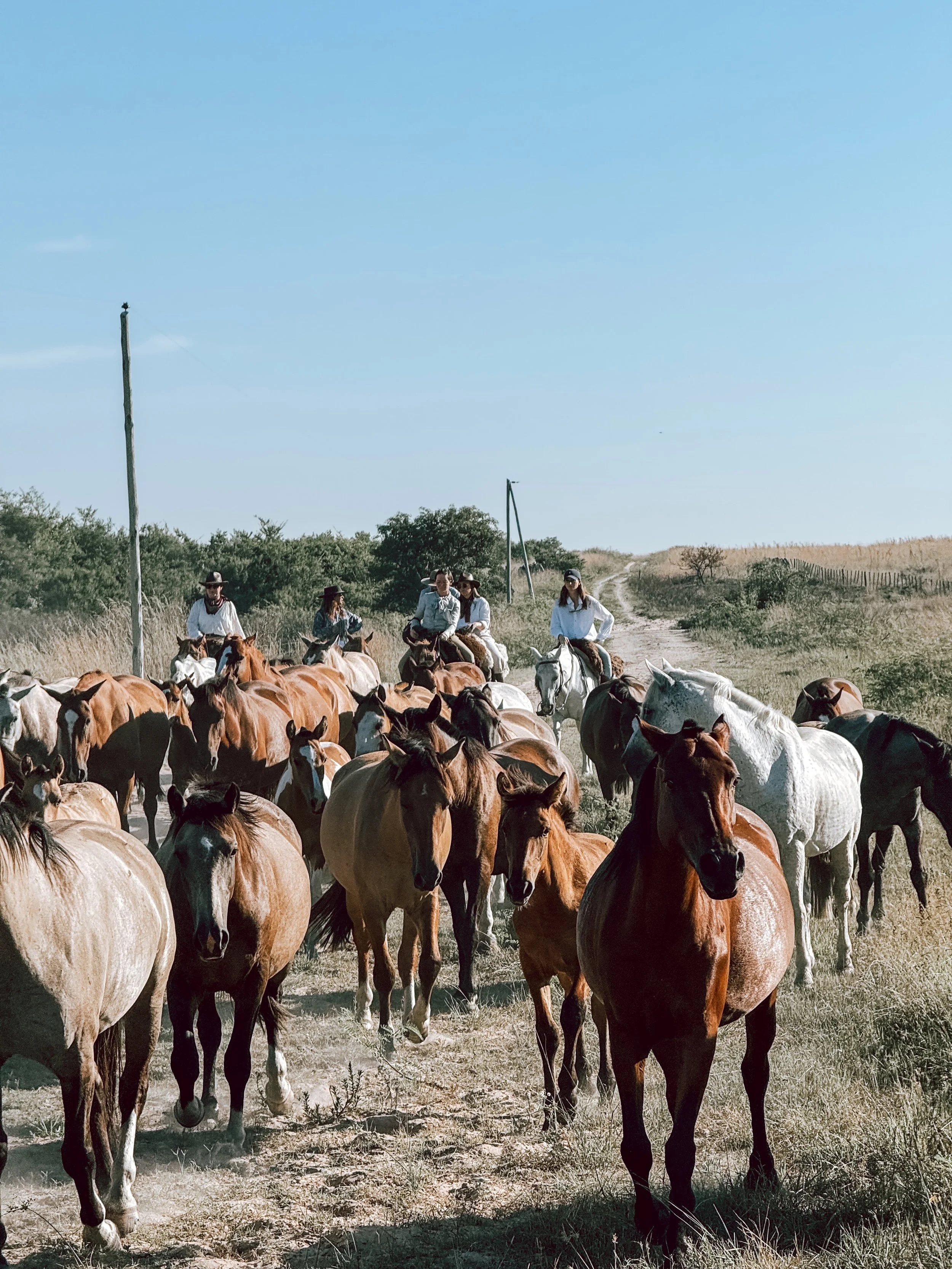
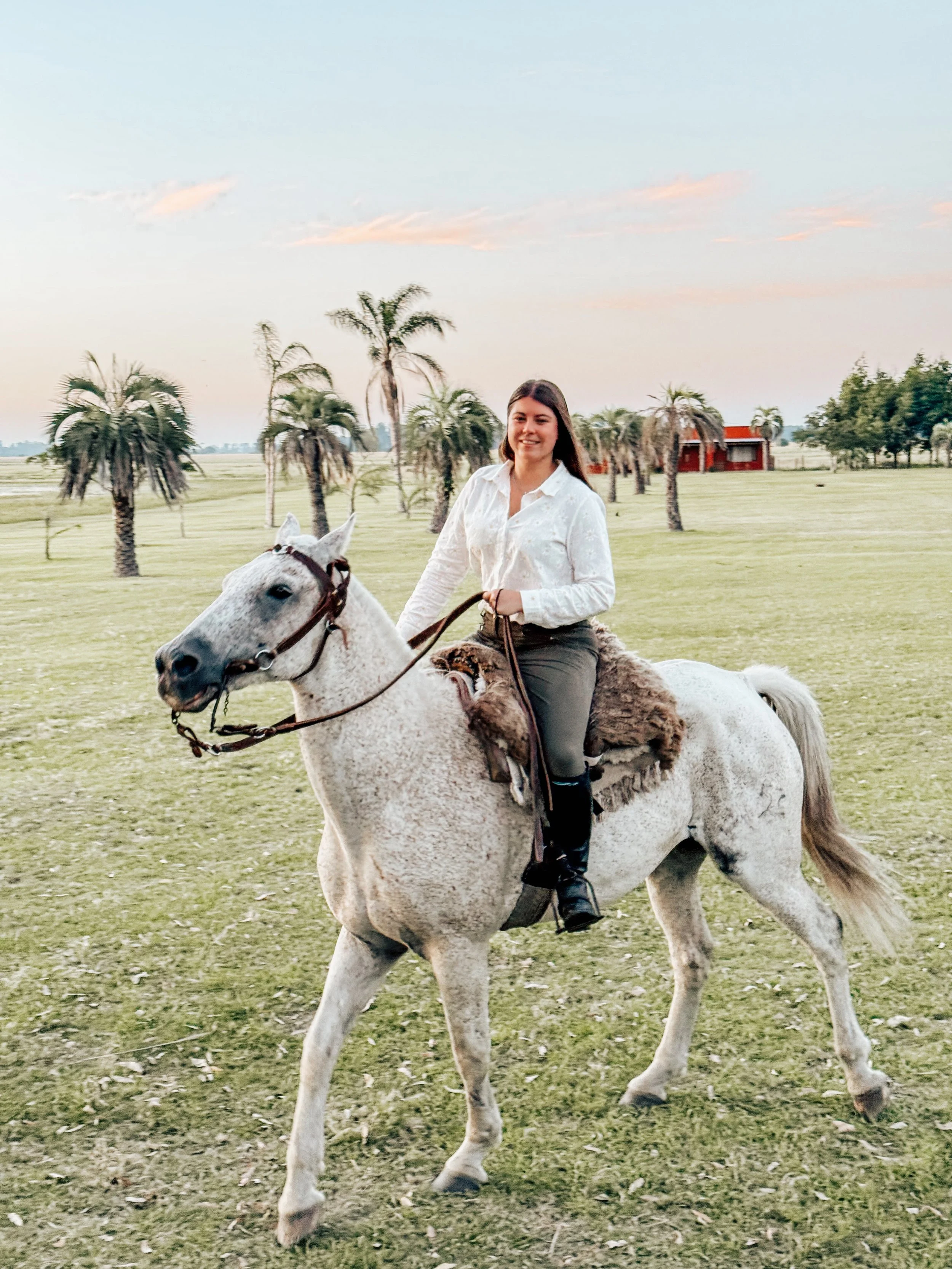
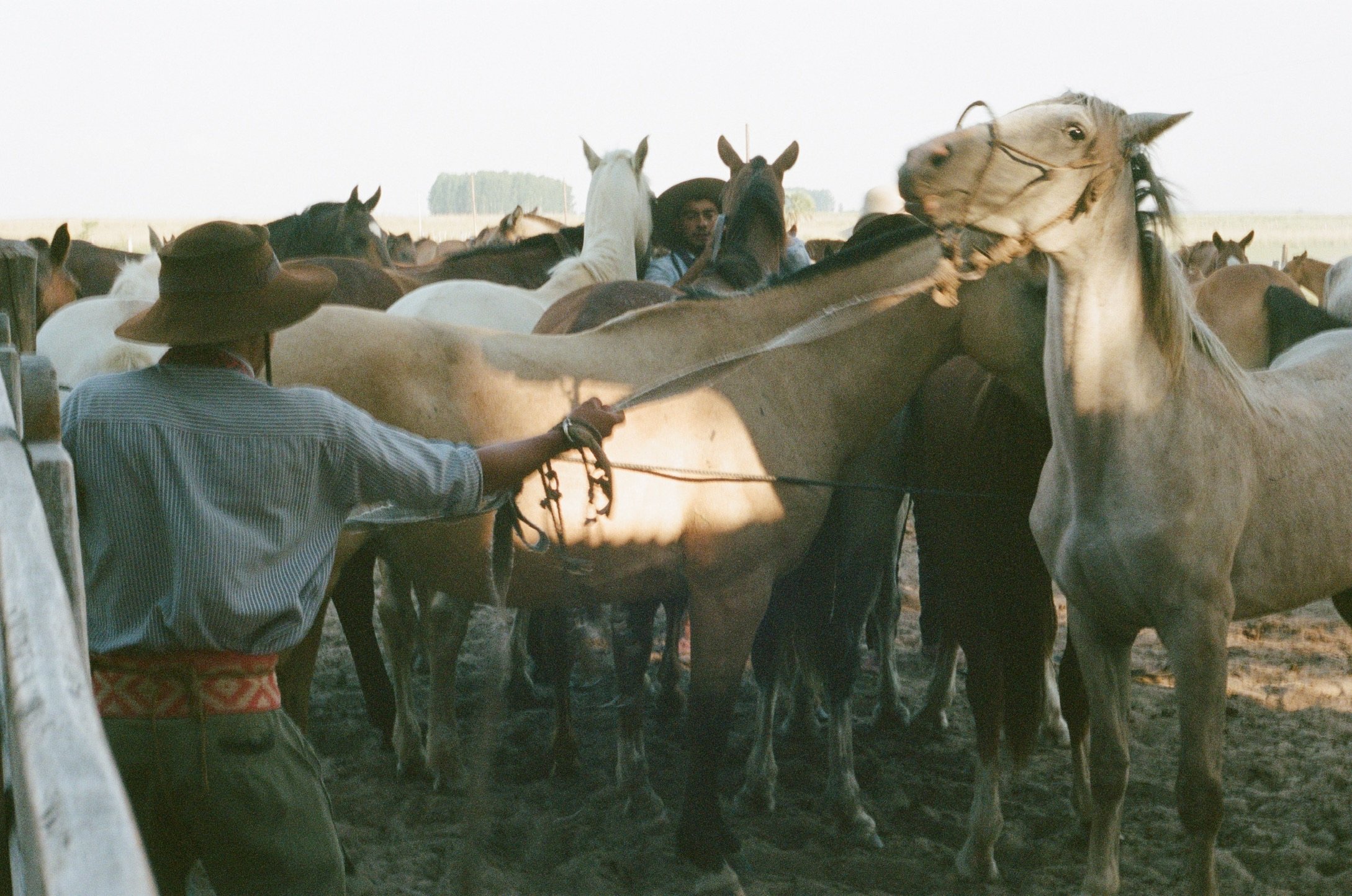
More than 150 Criollos live here, each matched to a rider for the week. They’re working horses first, remarkably forgiving teachers second.
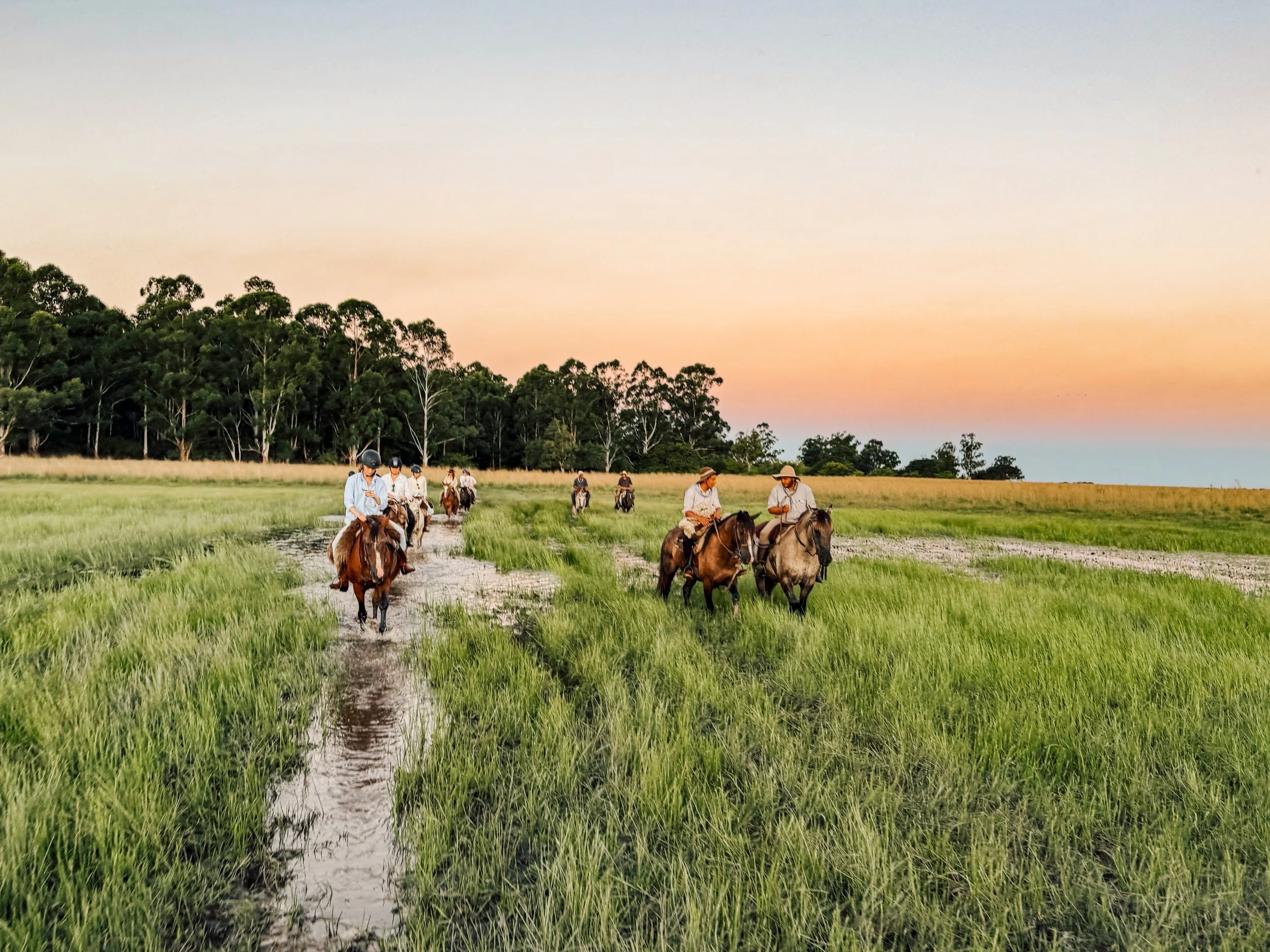
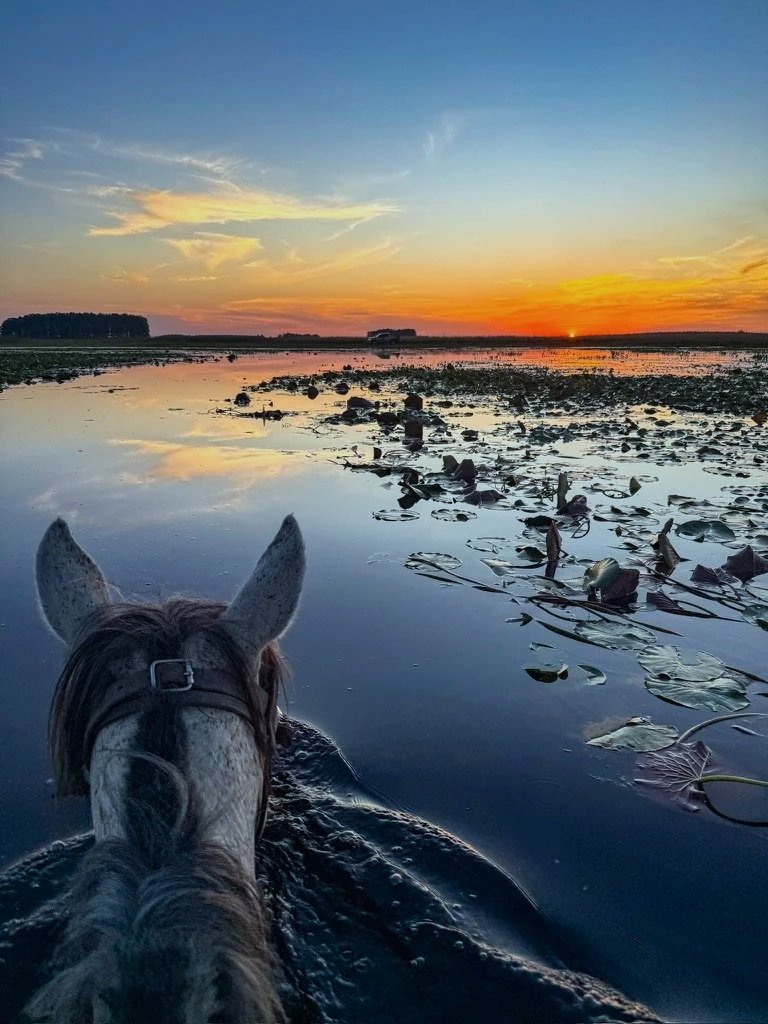
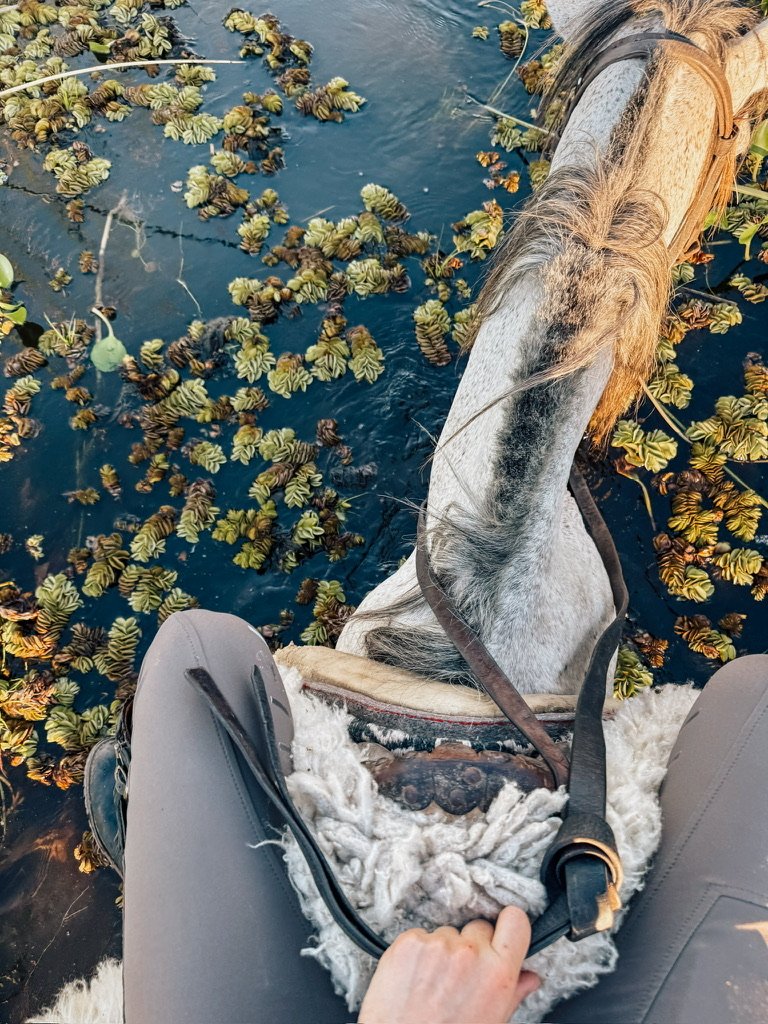
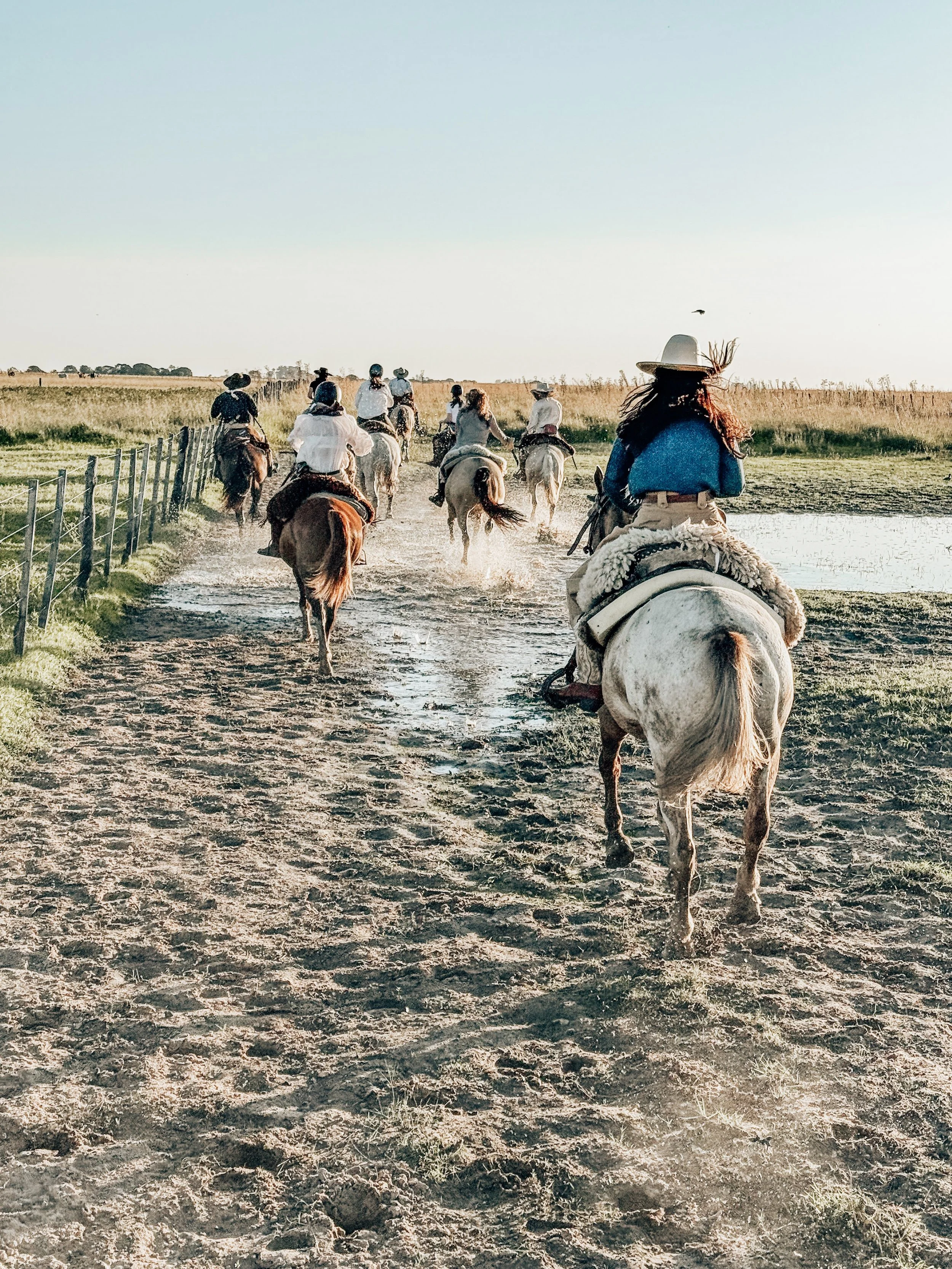
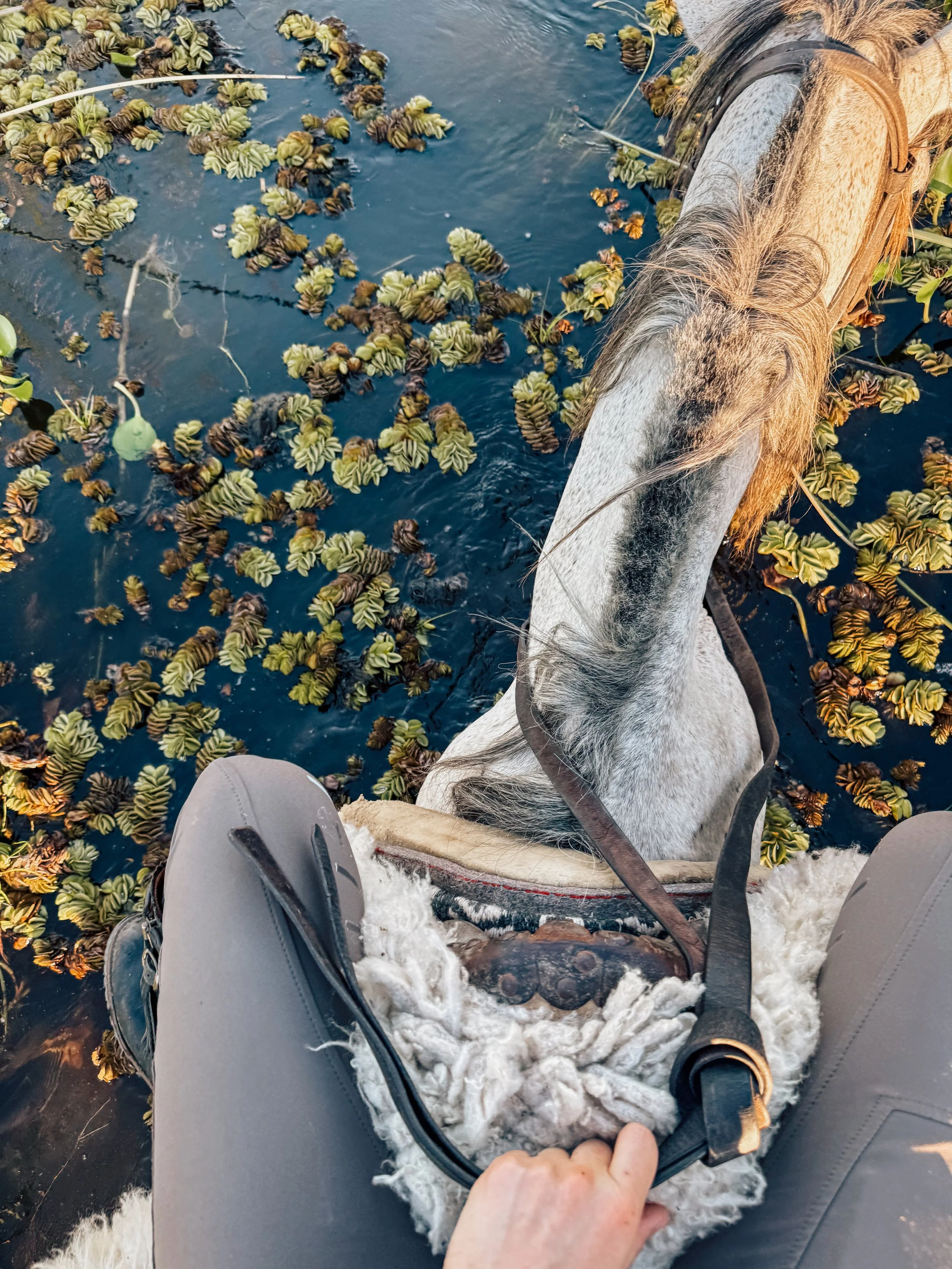
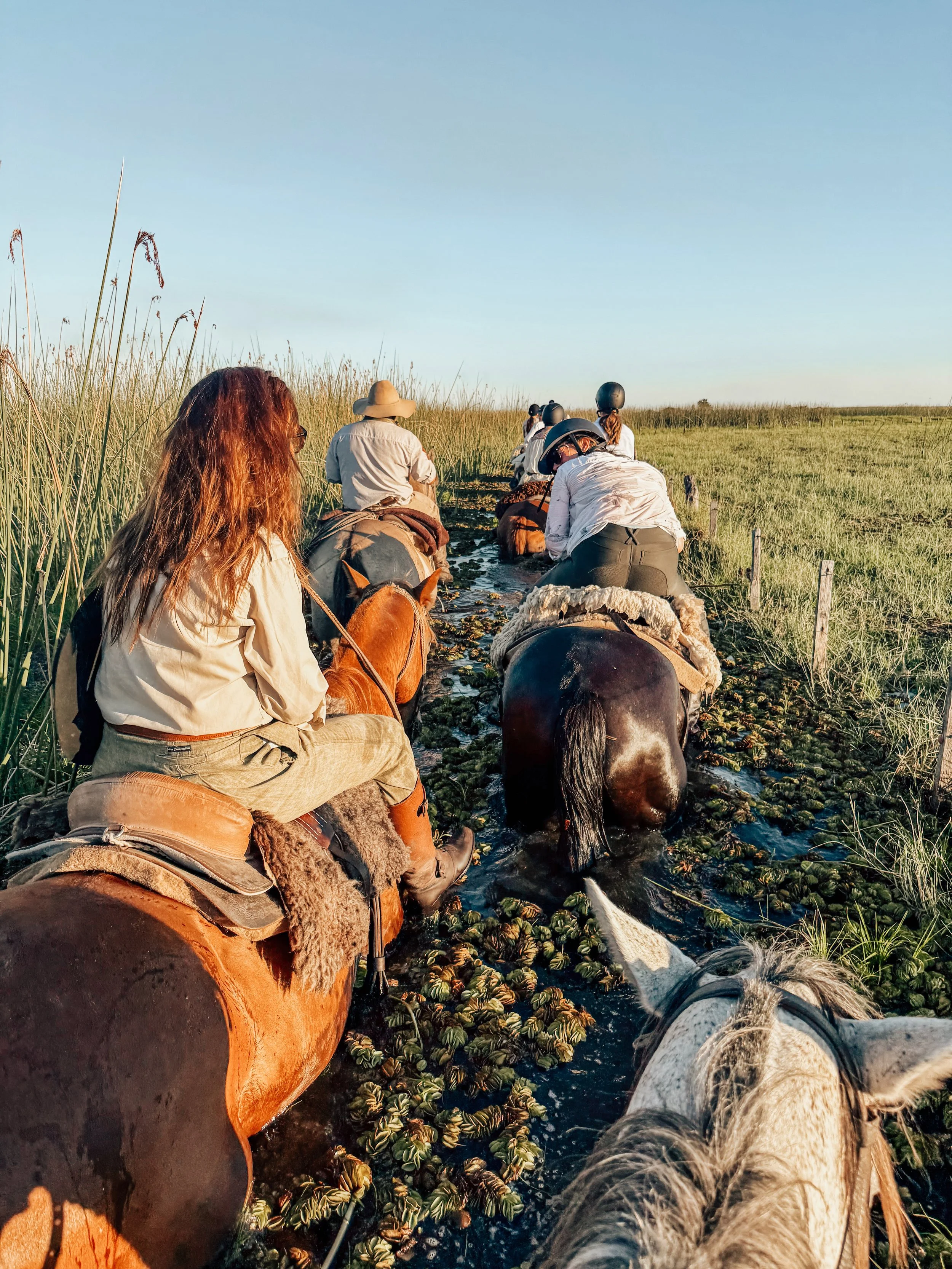
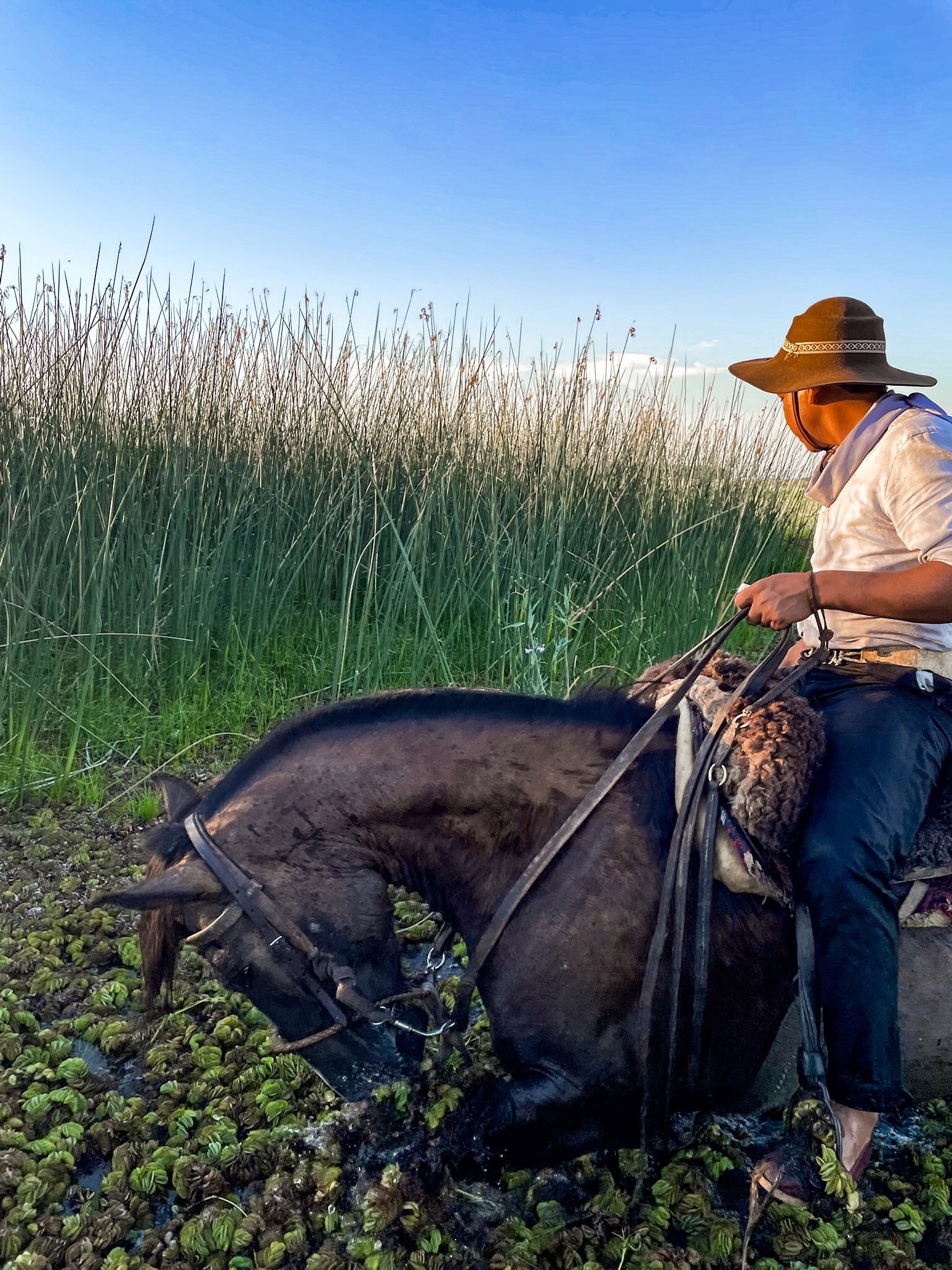
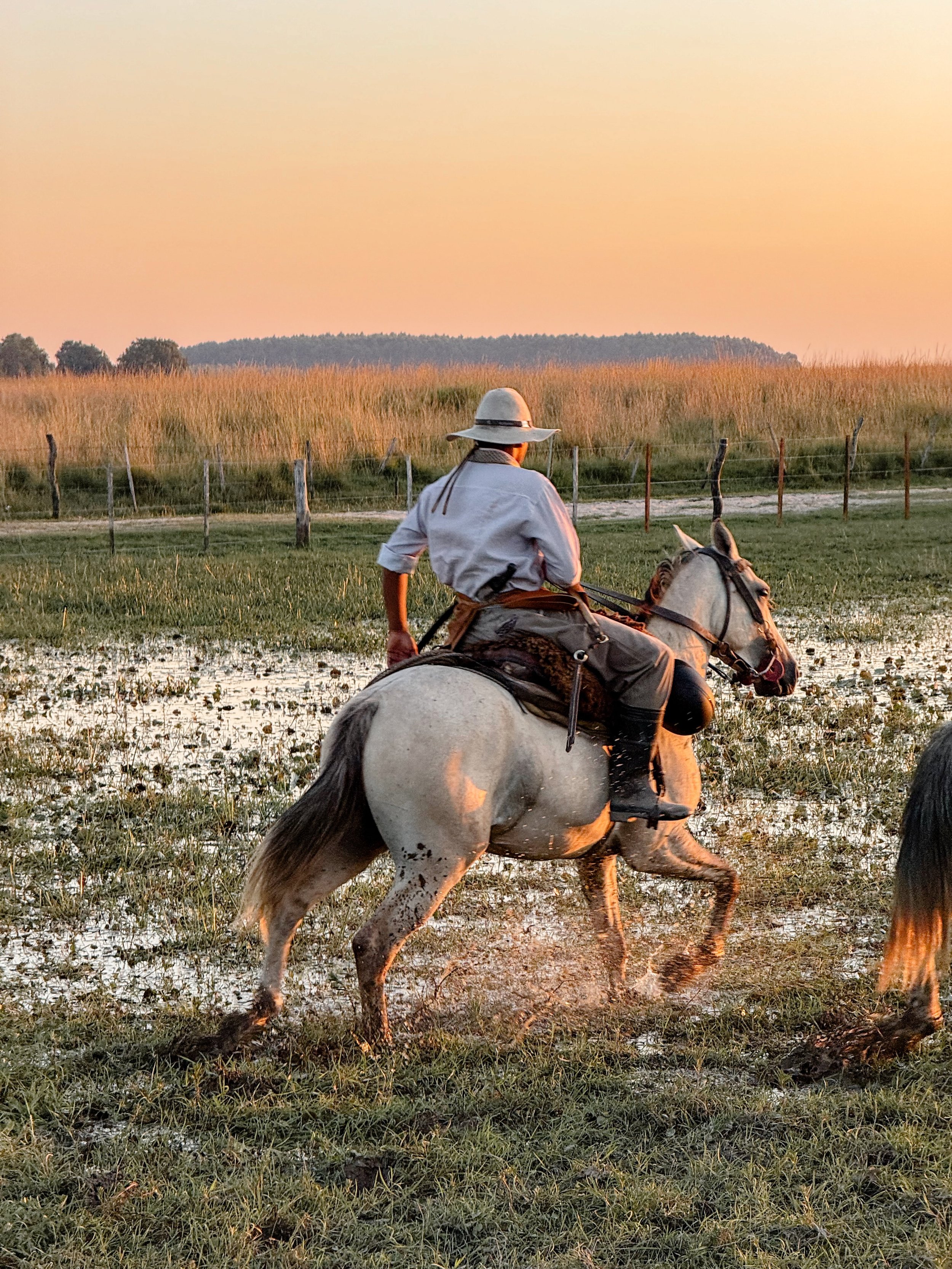
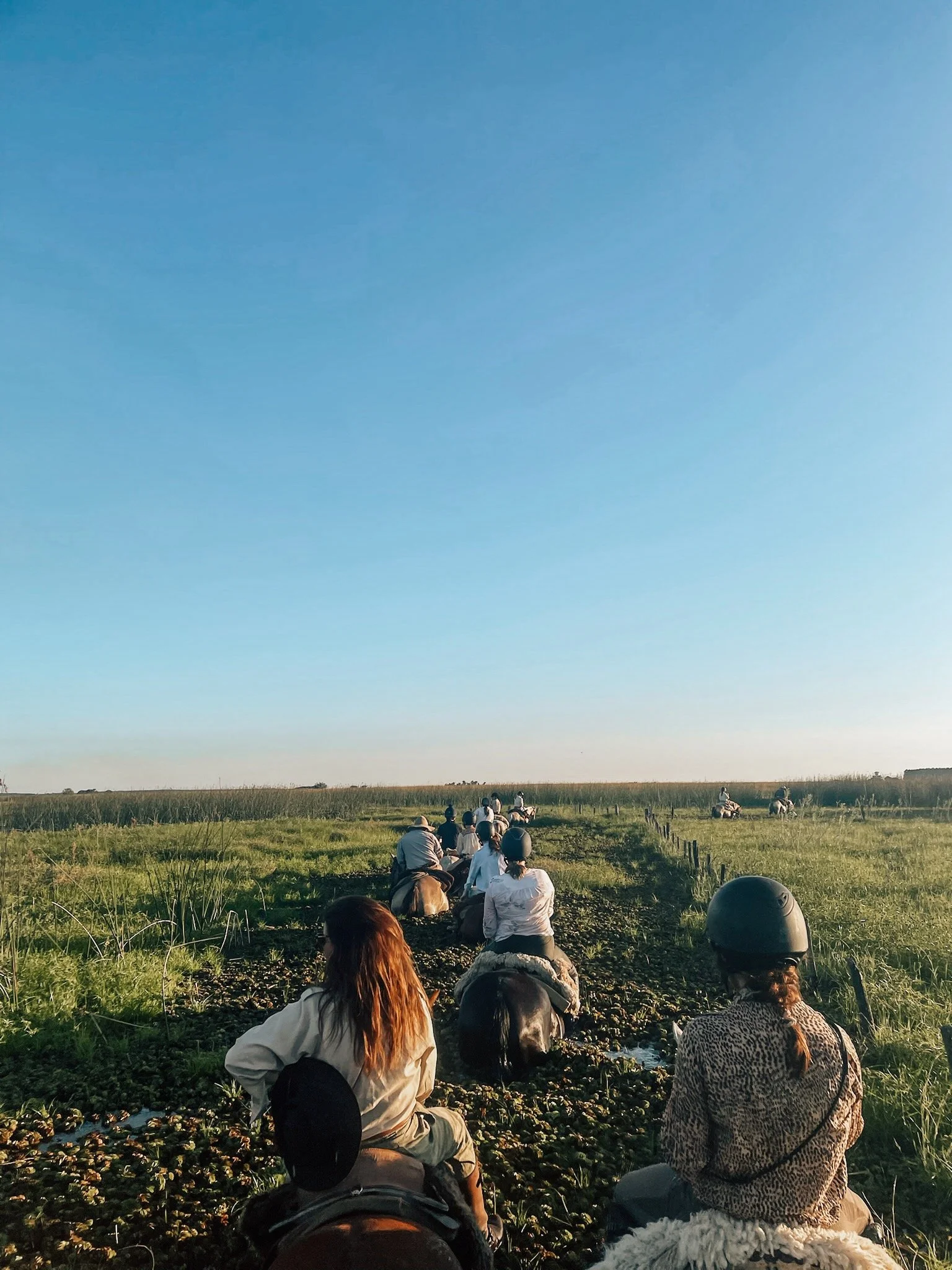
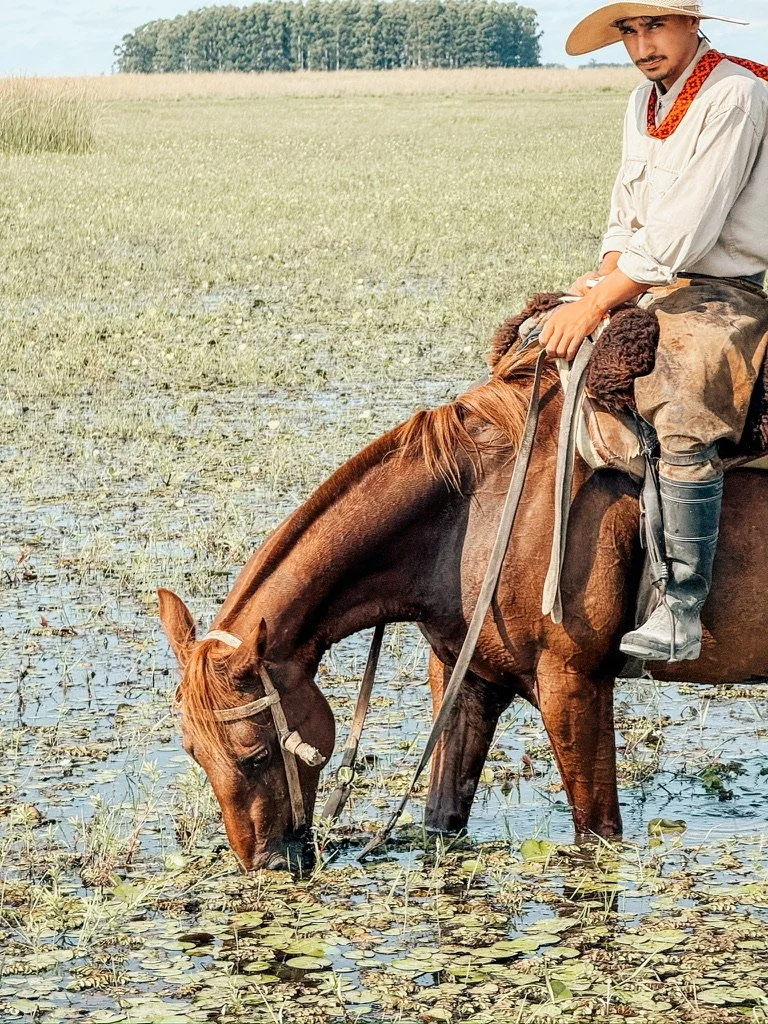
Some crossings are little more than a splashy canter. Others have you lifting your knees and laughing as the water gets deeper. Before long, you stop wondering where the trail is. There isn’t one.
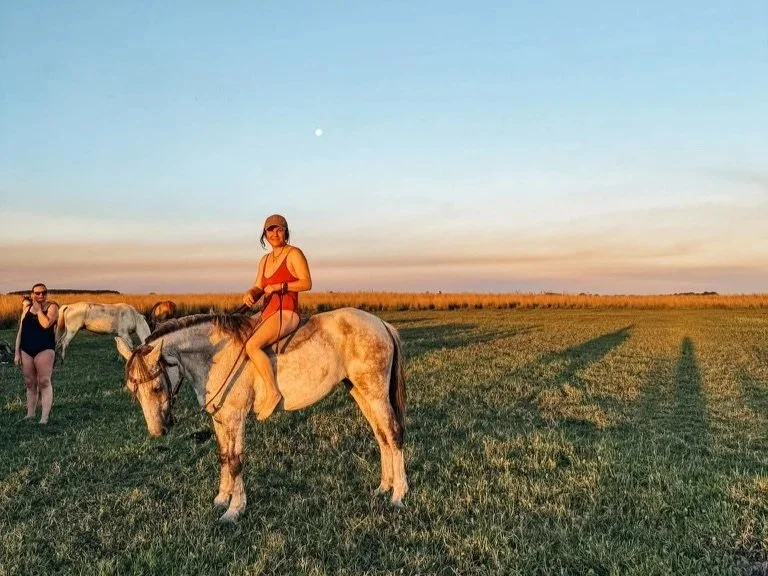
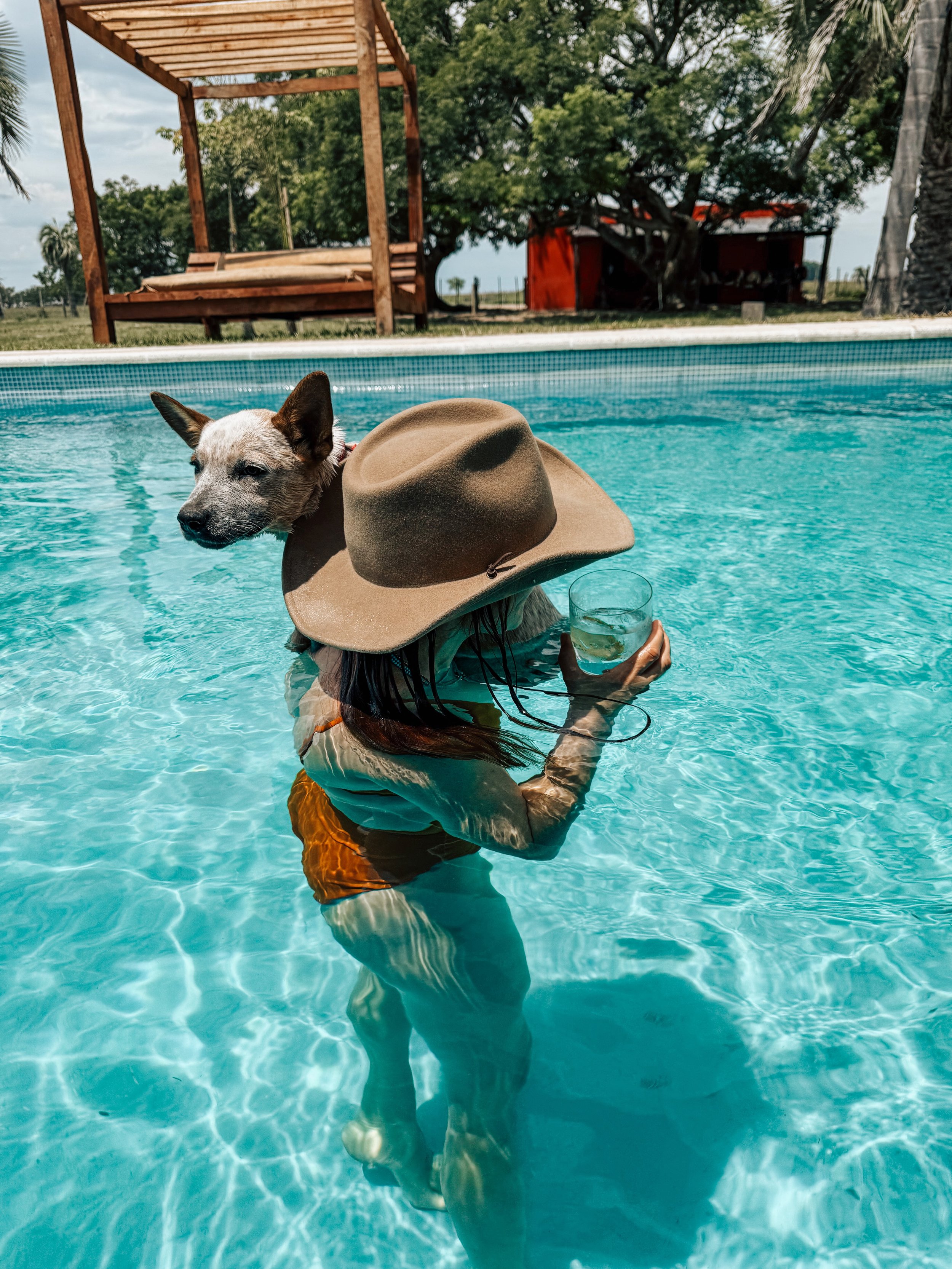
Every afternoon ends the same way. Boots off. Cocktail in hand. A swim. Then absolutely no urgency to be anywhere else.
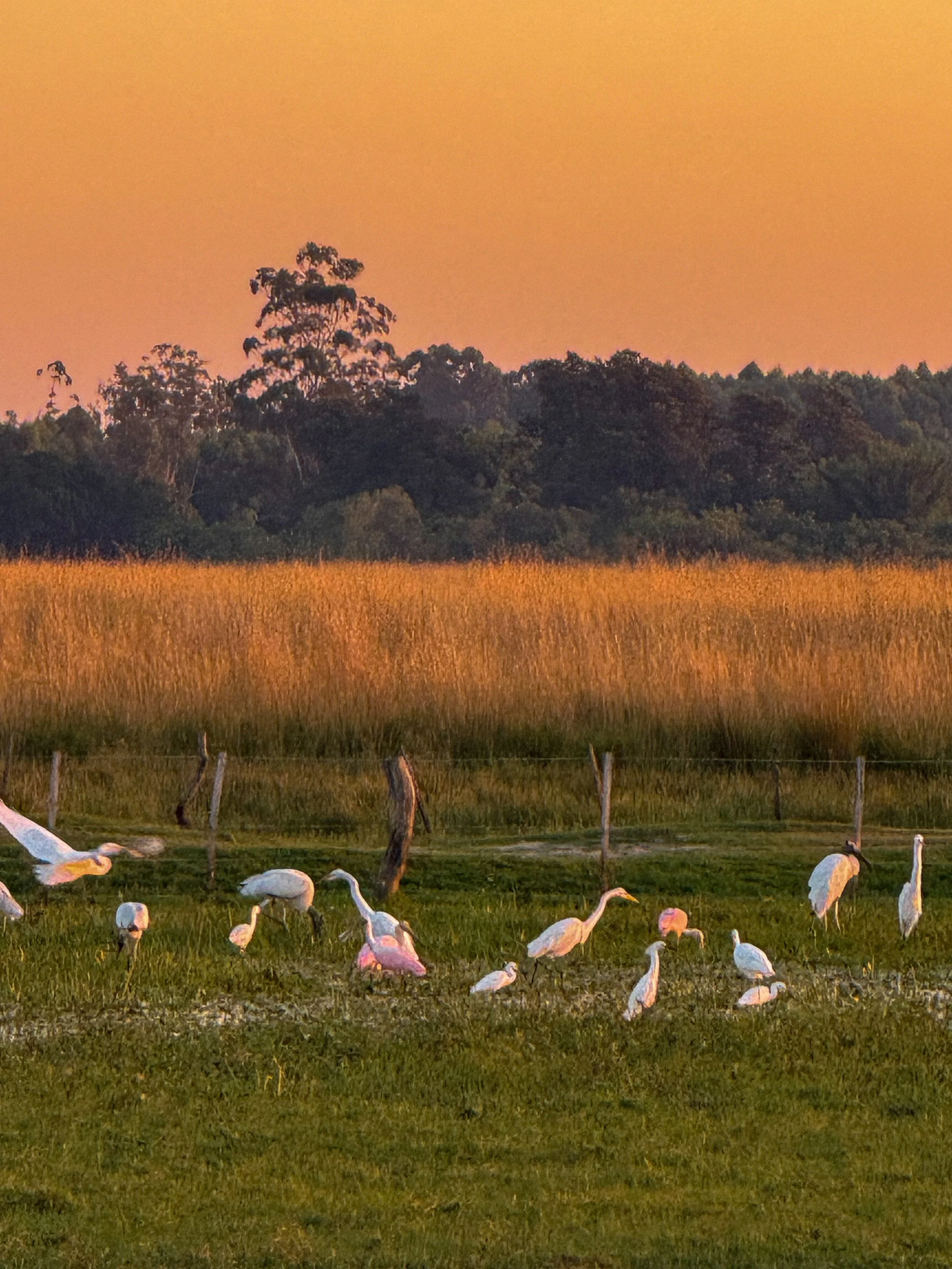
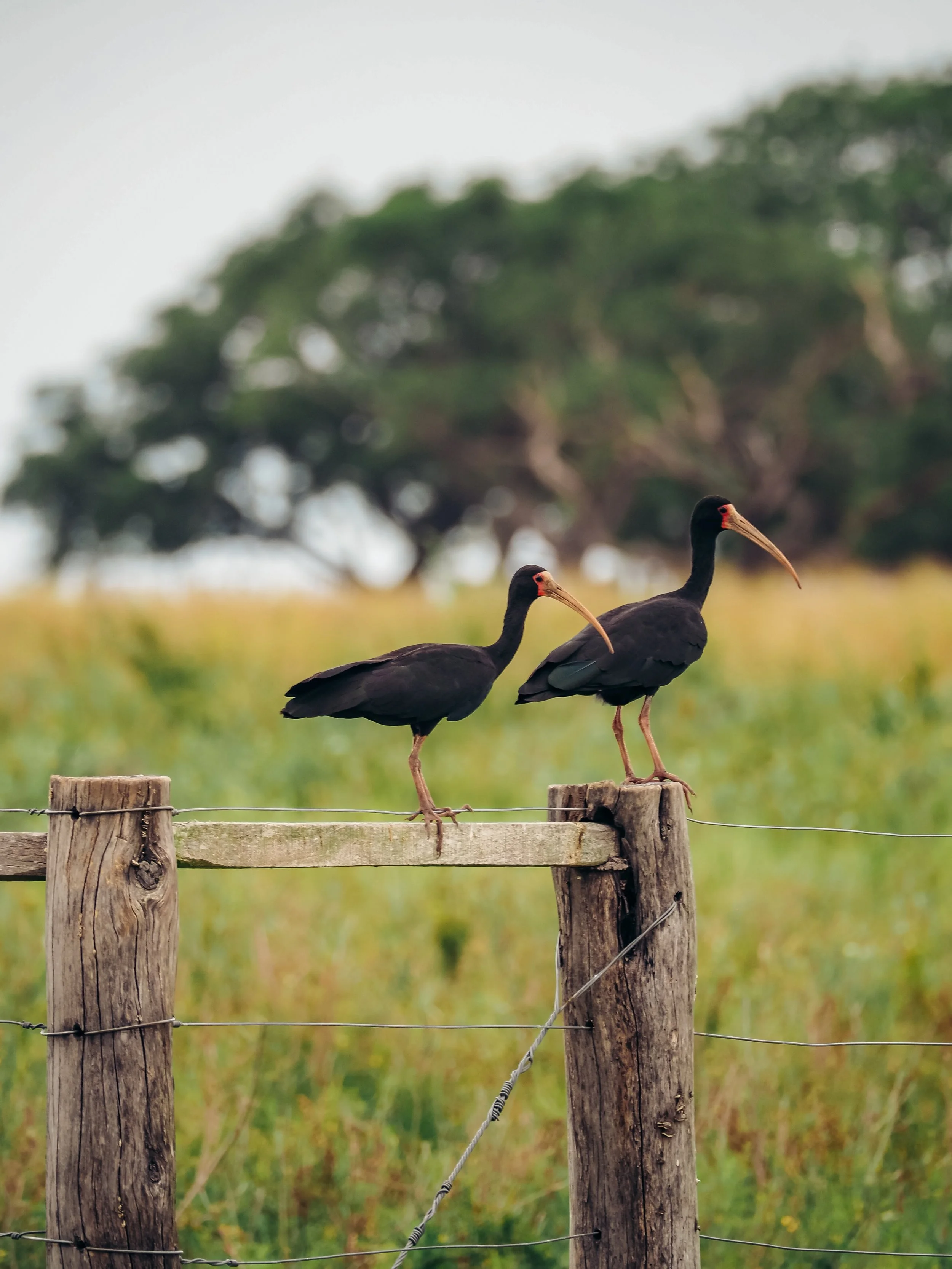
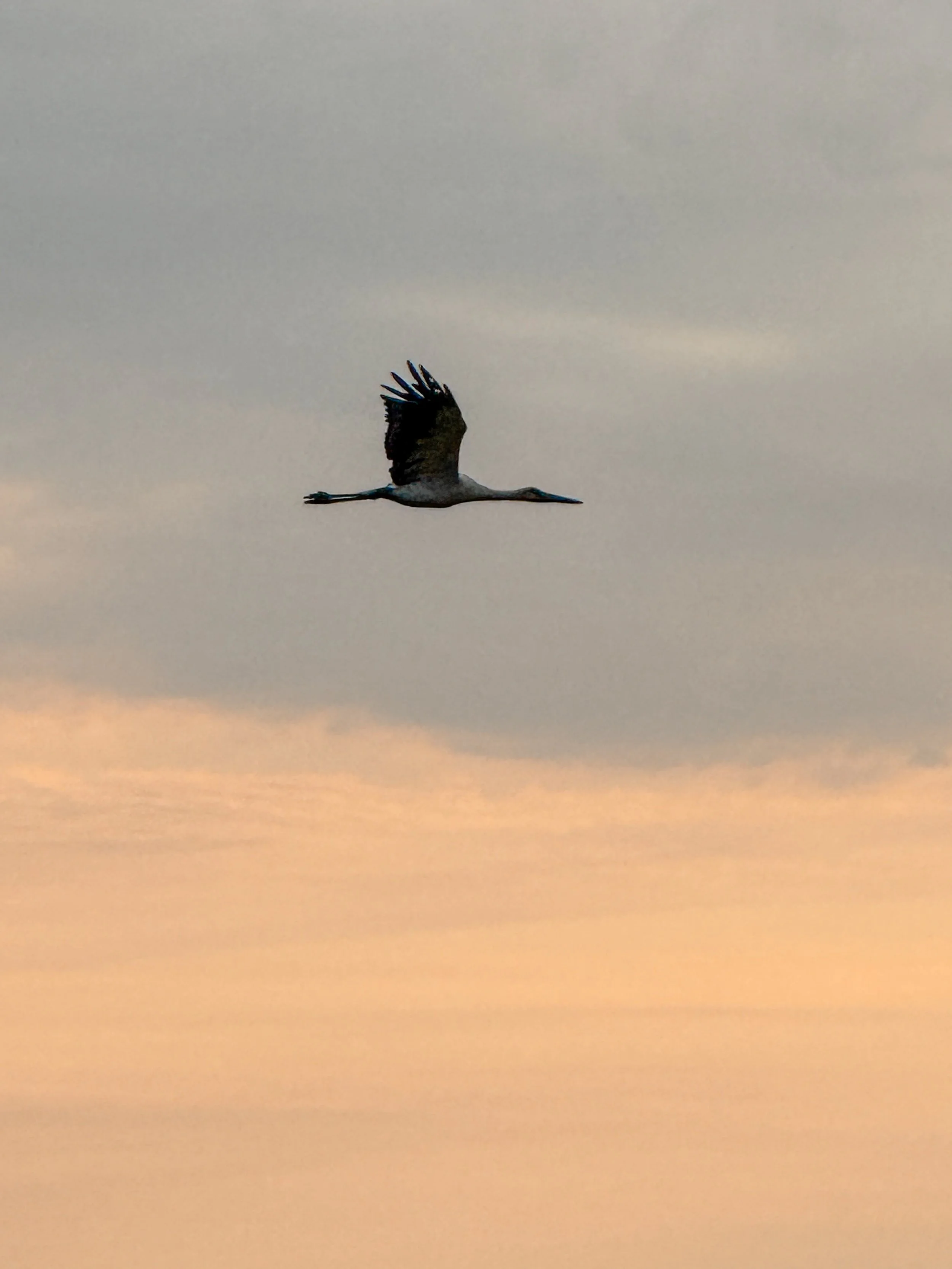
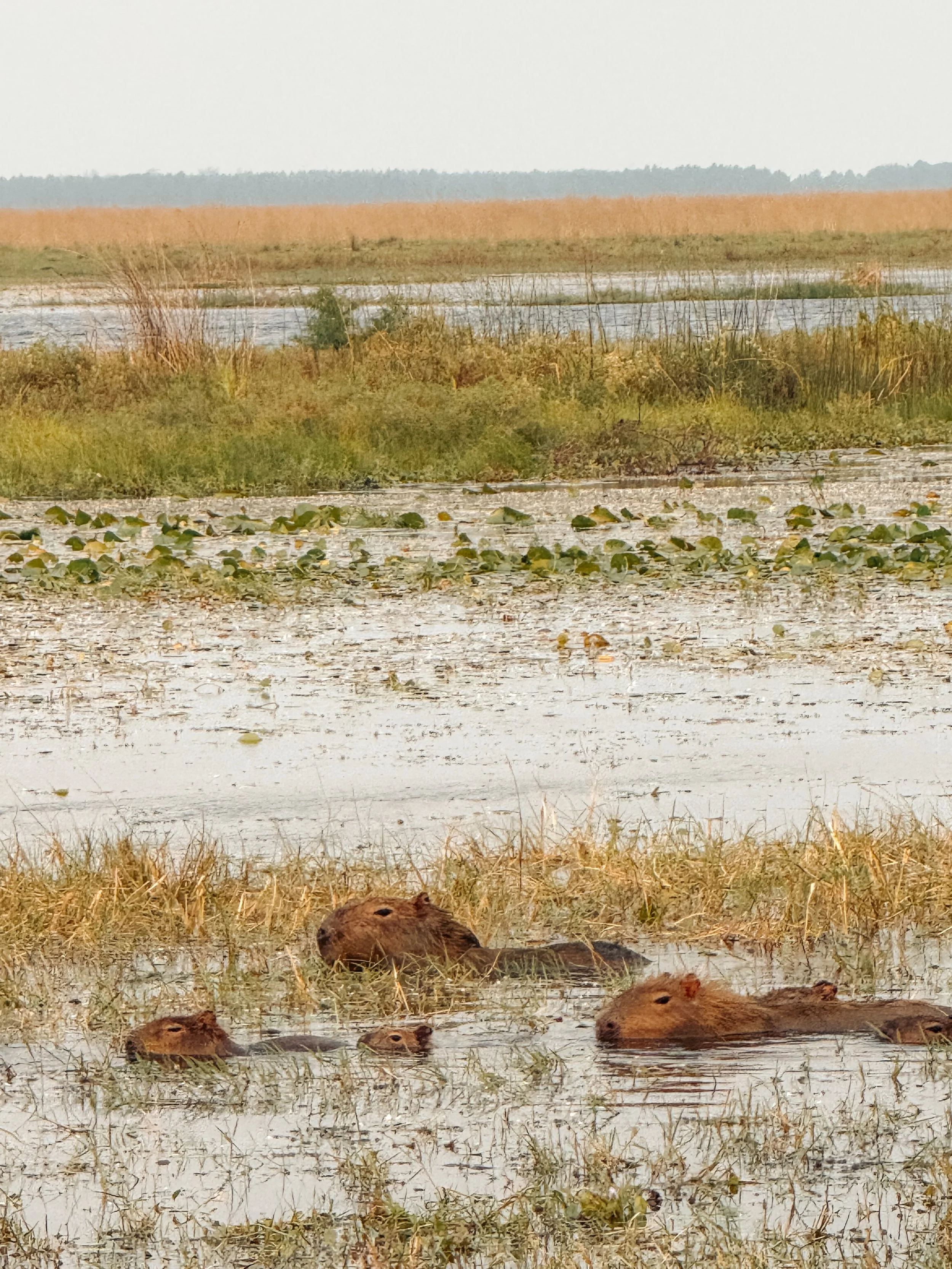
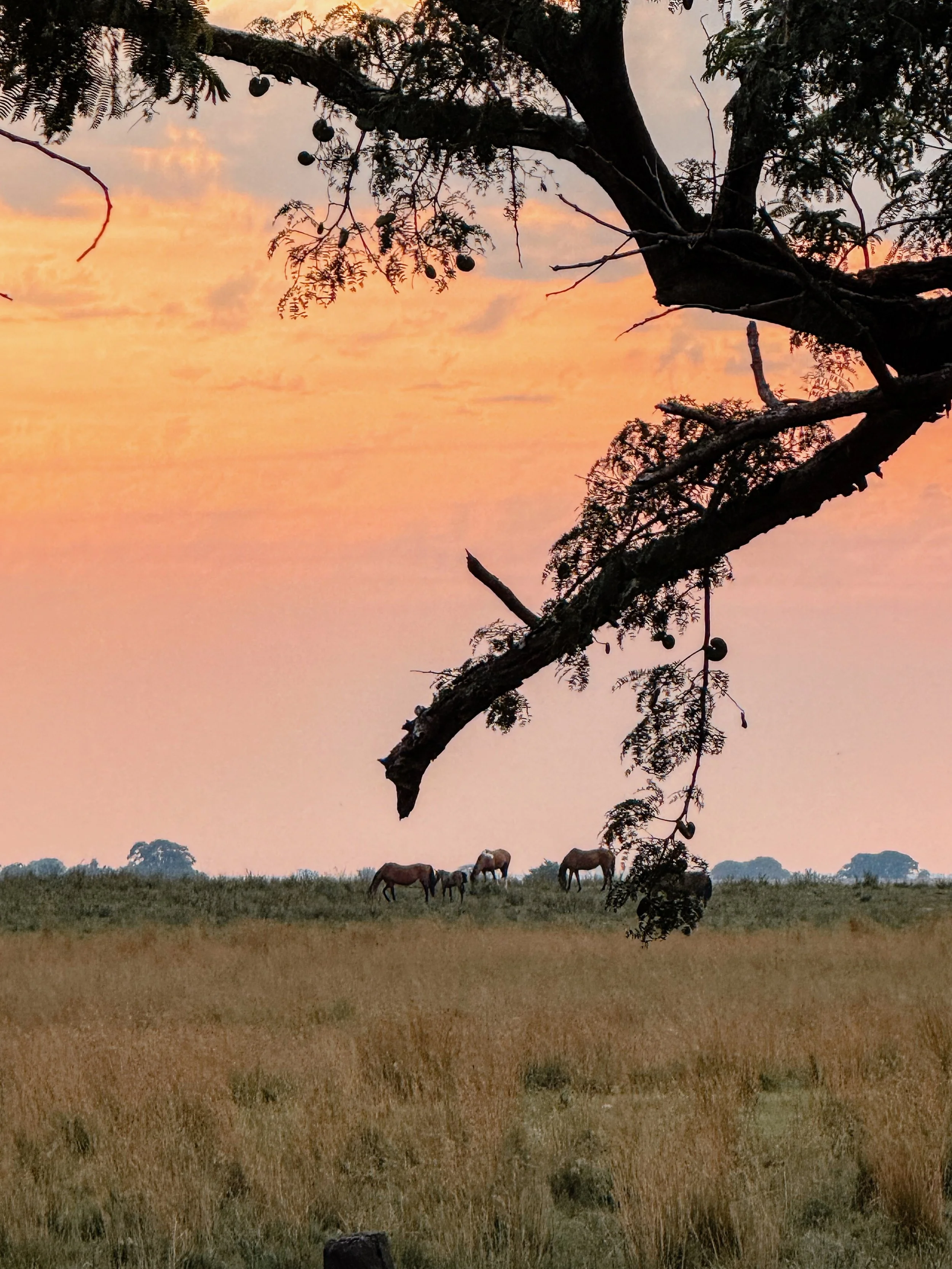
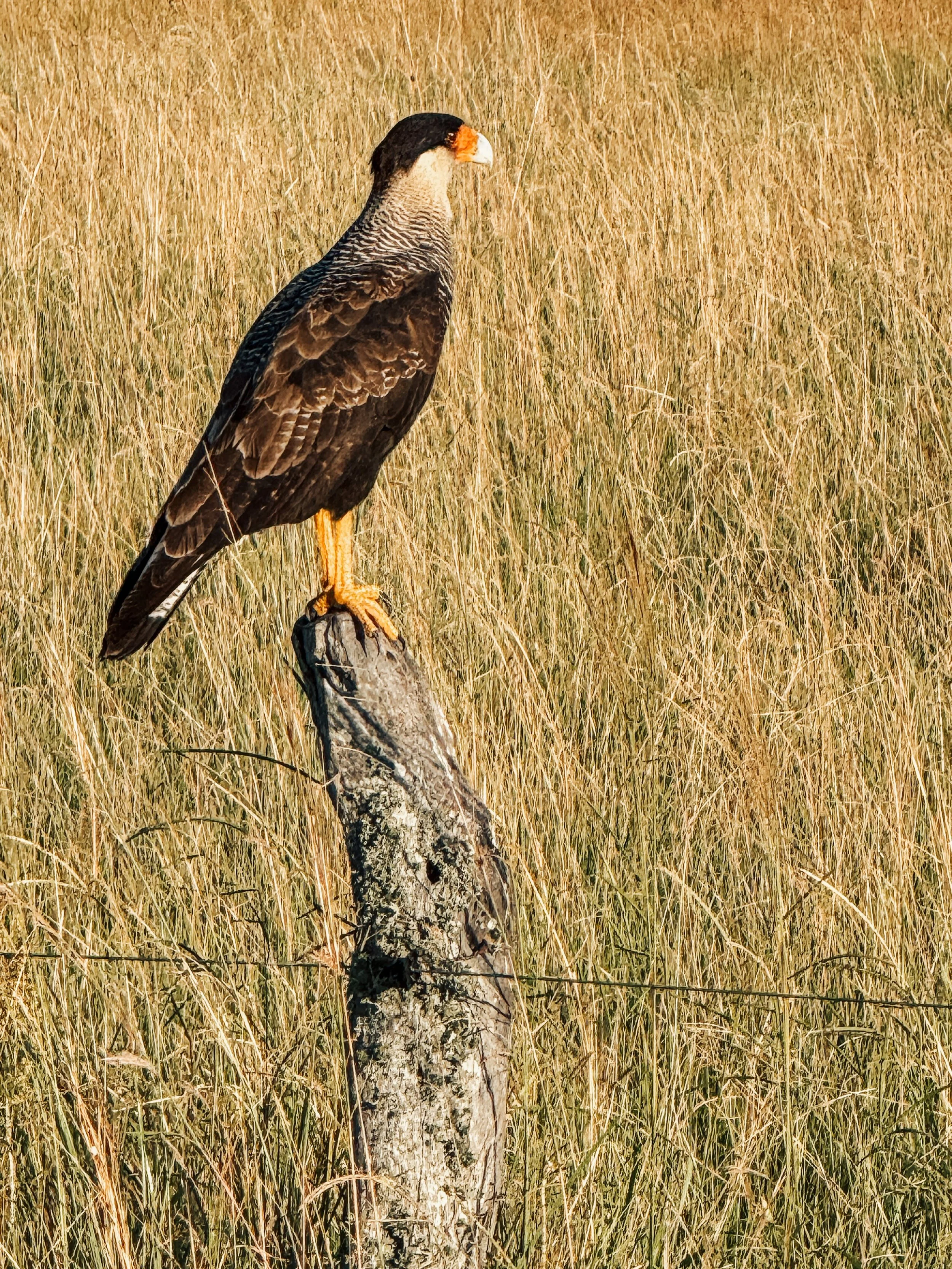
Wildlife is never scheduled. Capybara, caiman and hundreds of bird species simply appear whenever the esteros decide. I spent the whole week looking for rheas. Naturally, they wandered through the estancia while I was somewhere else.
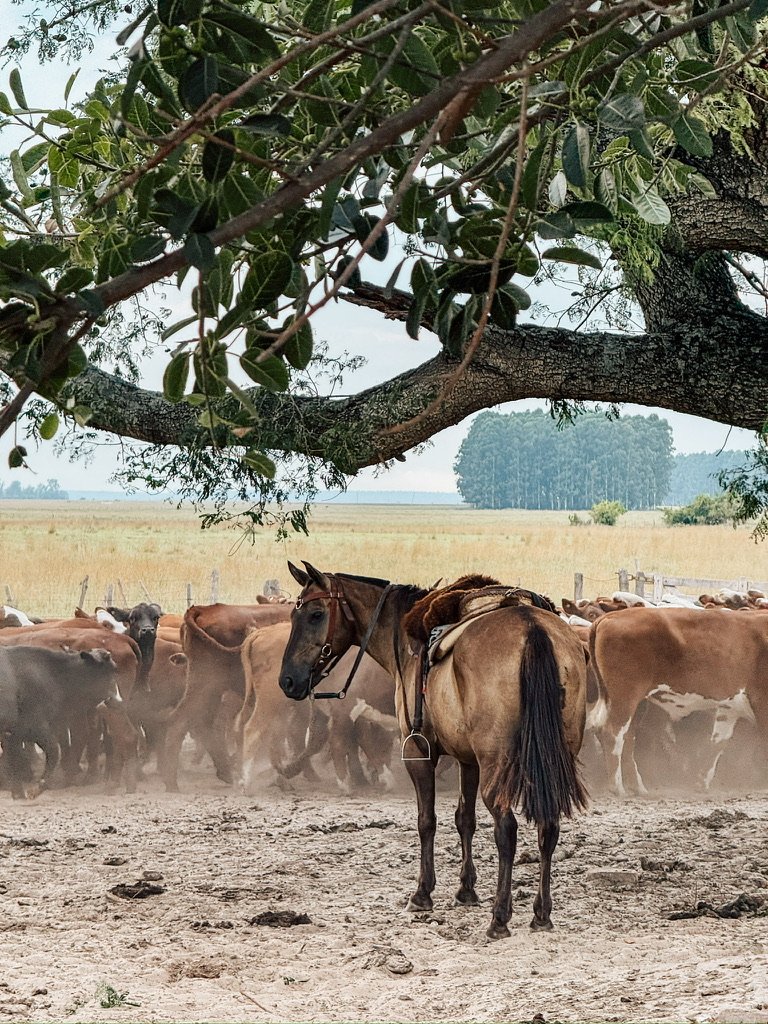
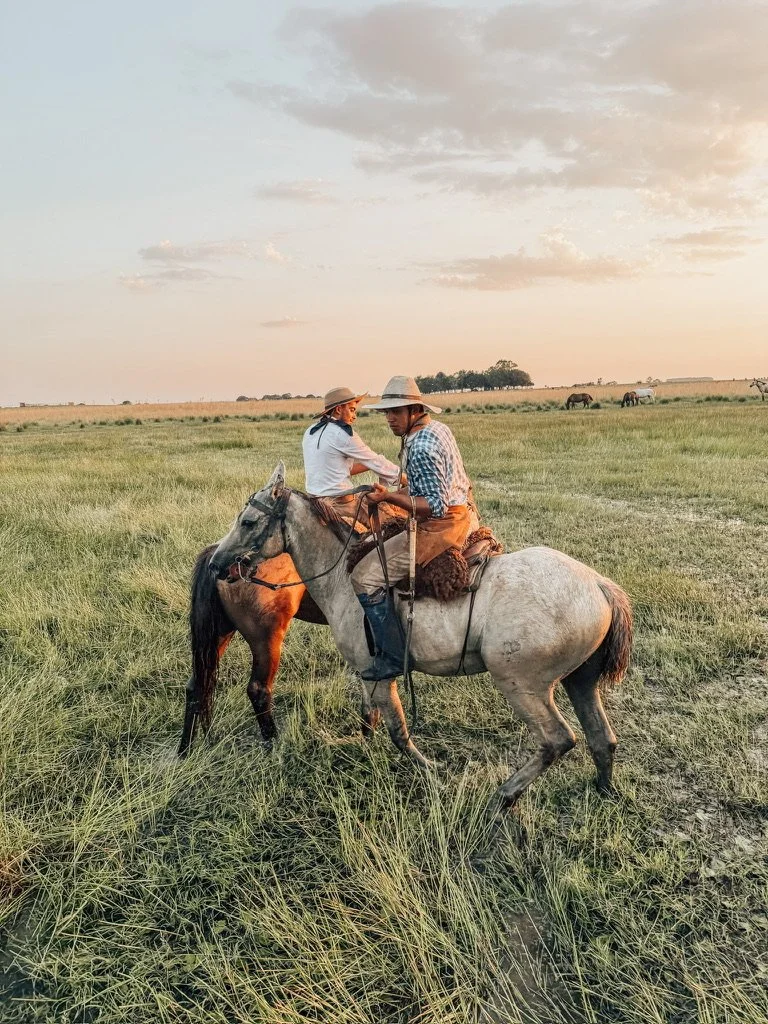
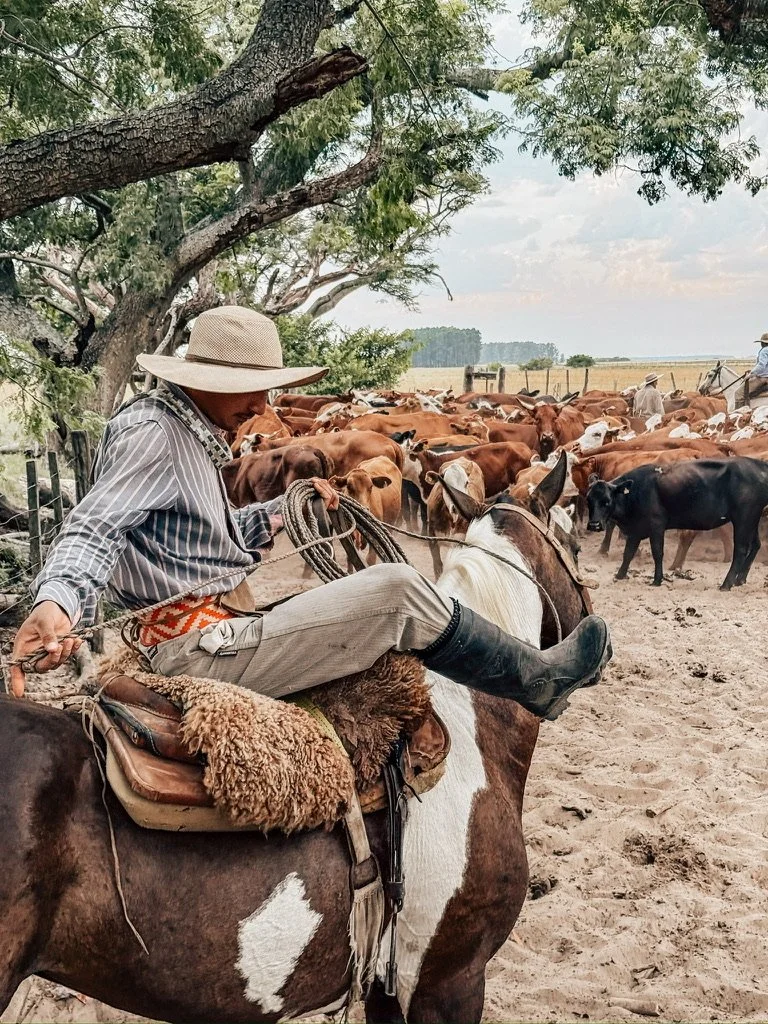
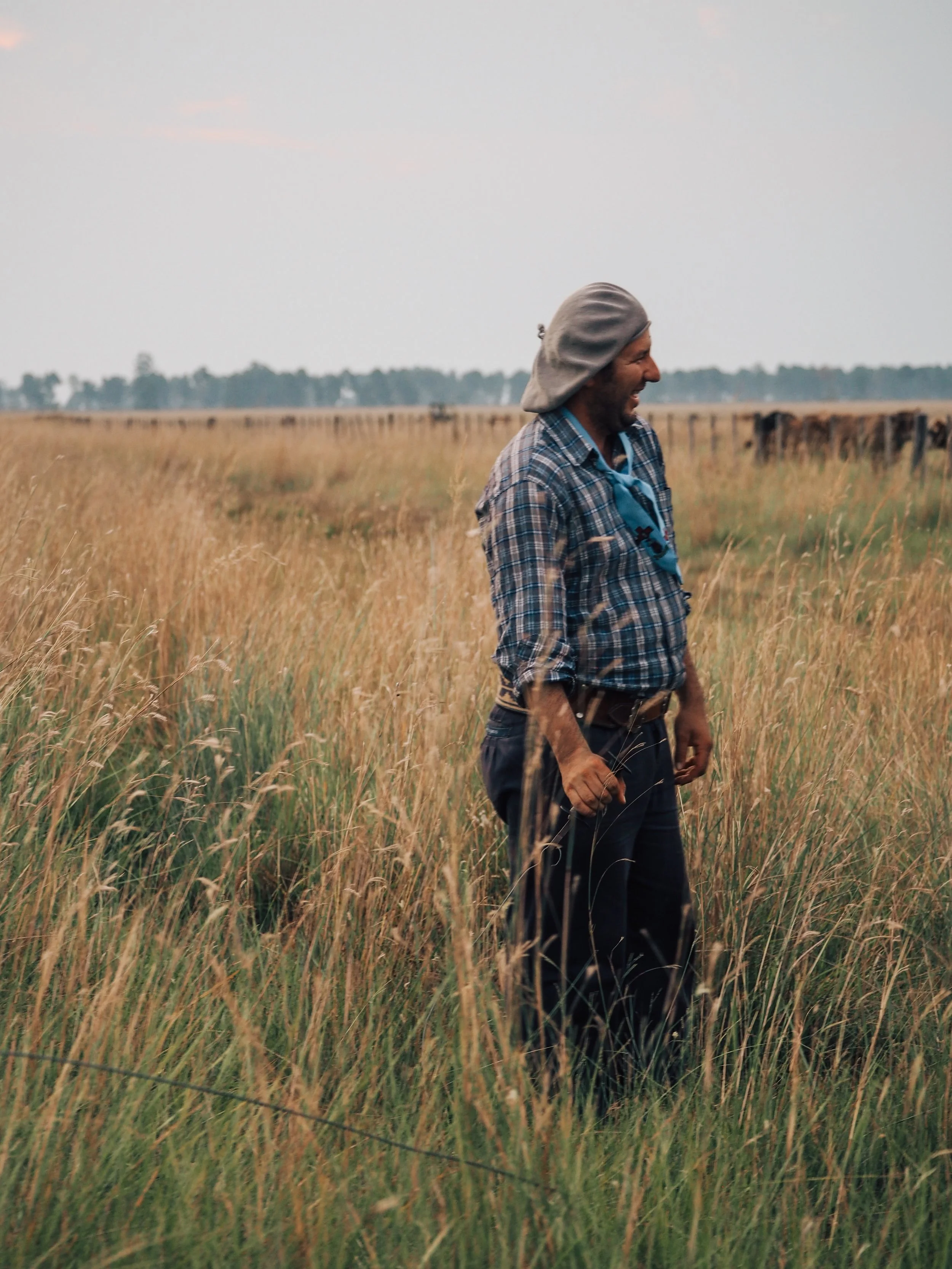
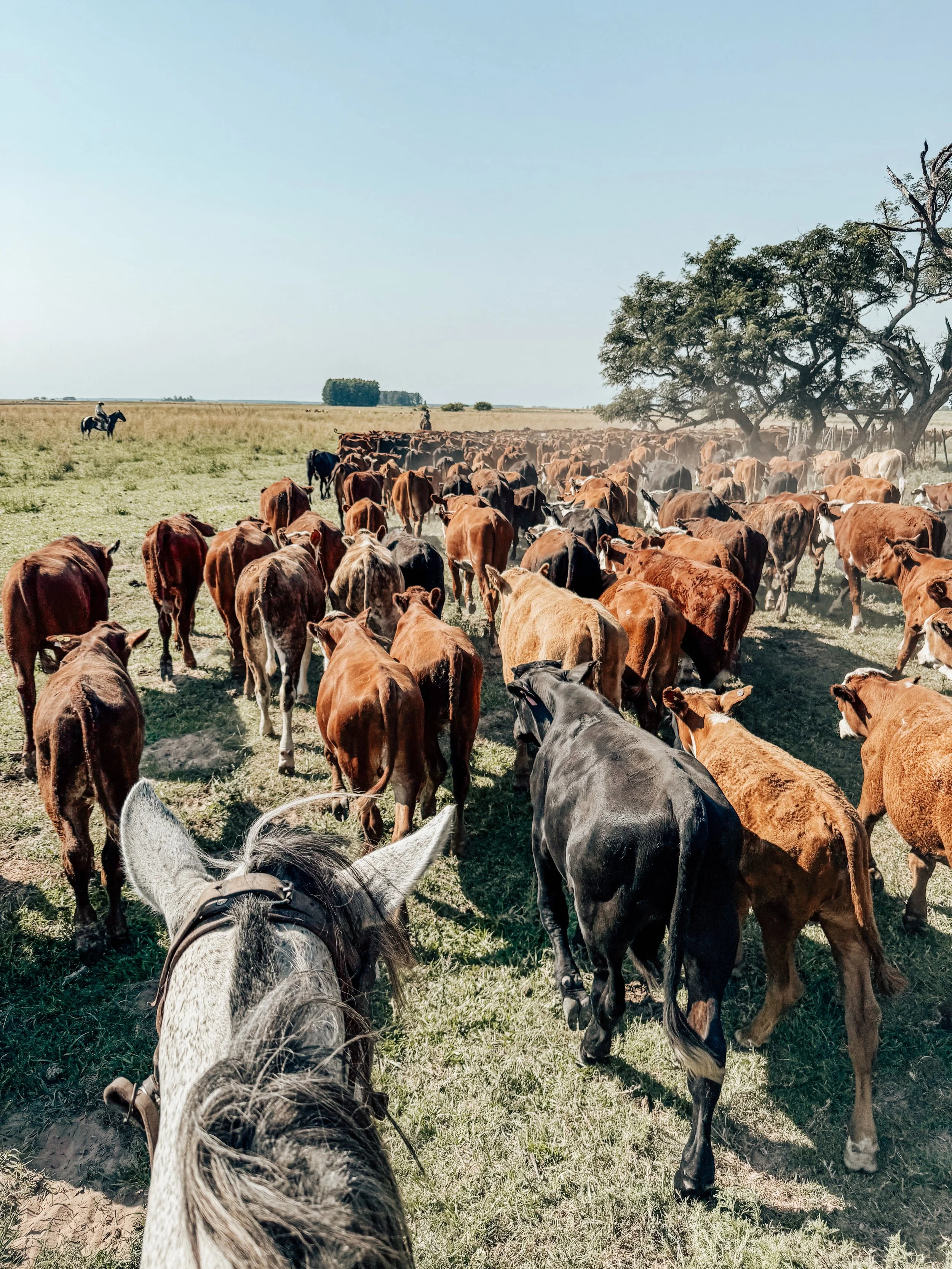
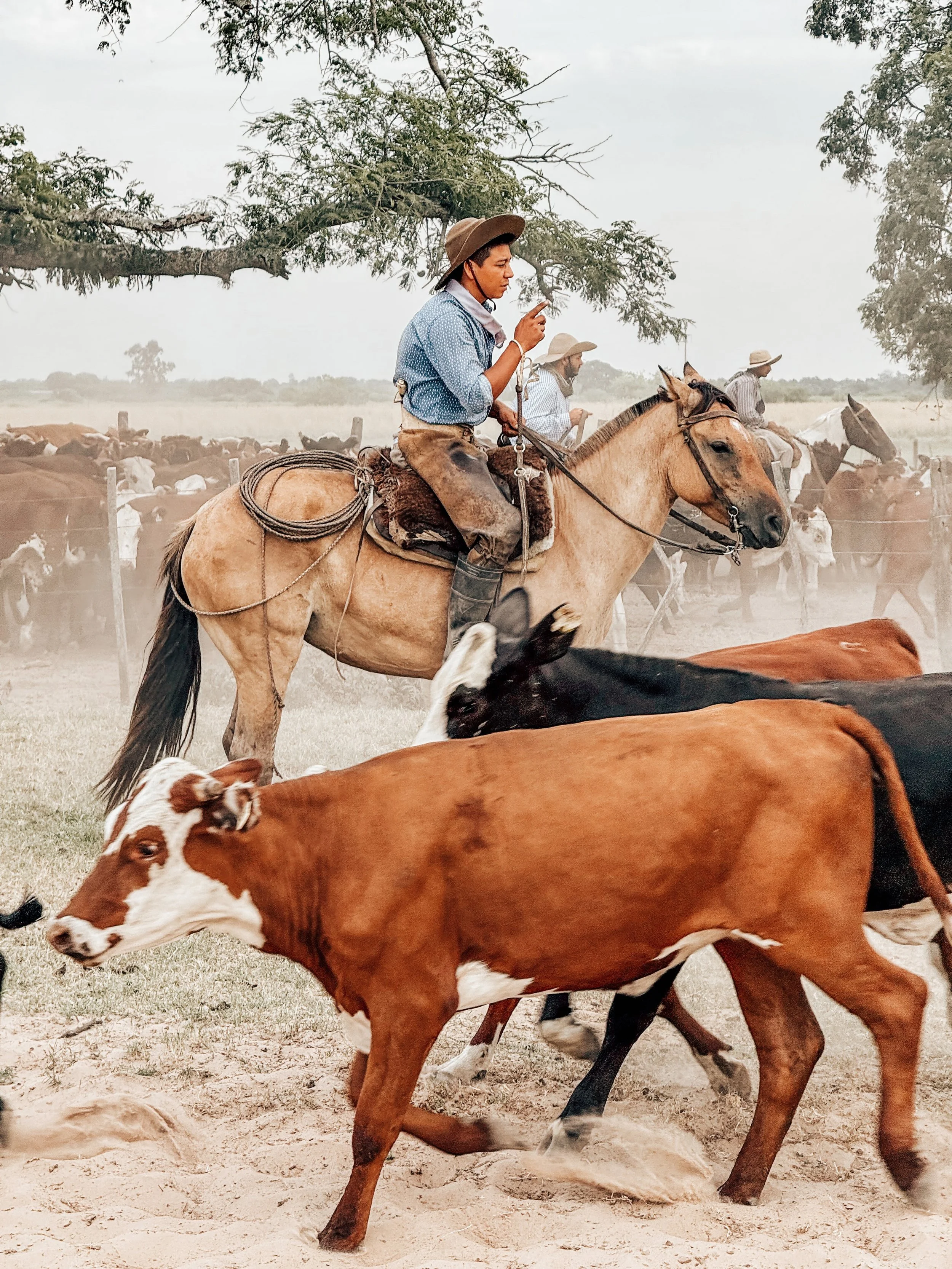
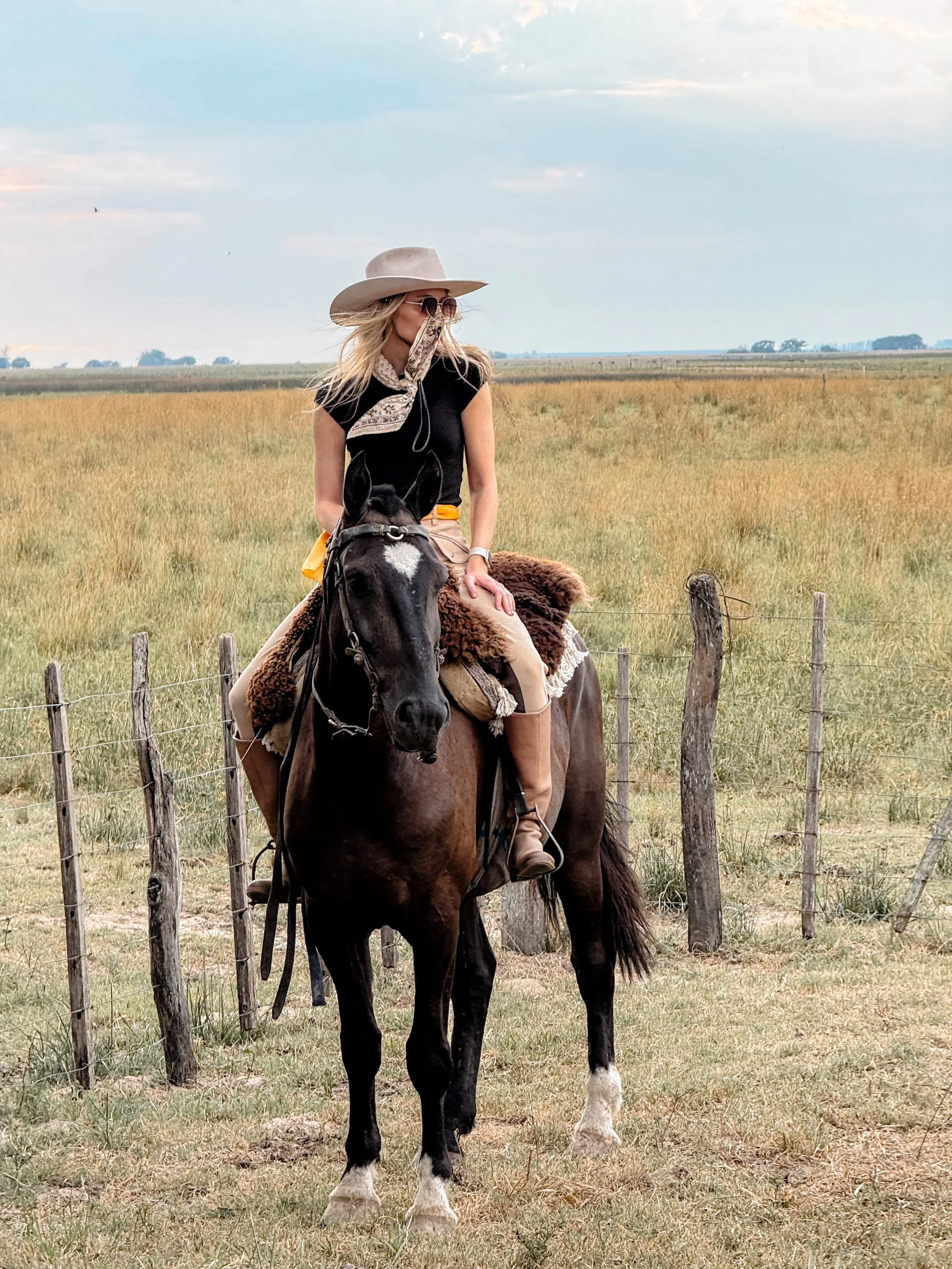
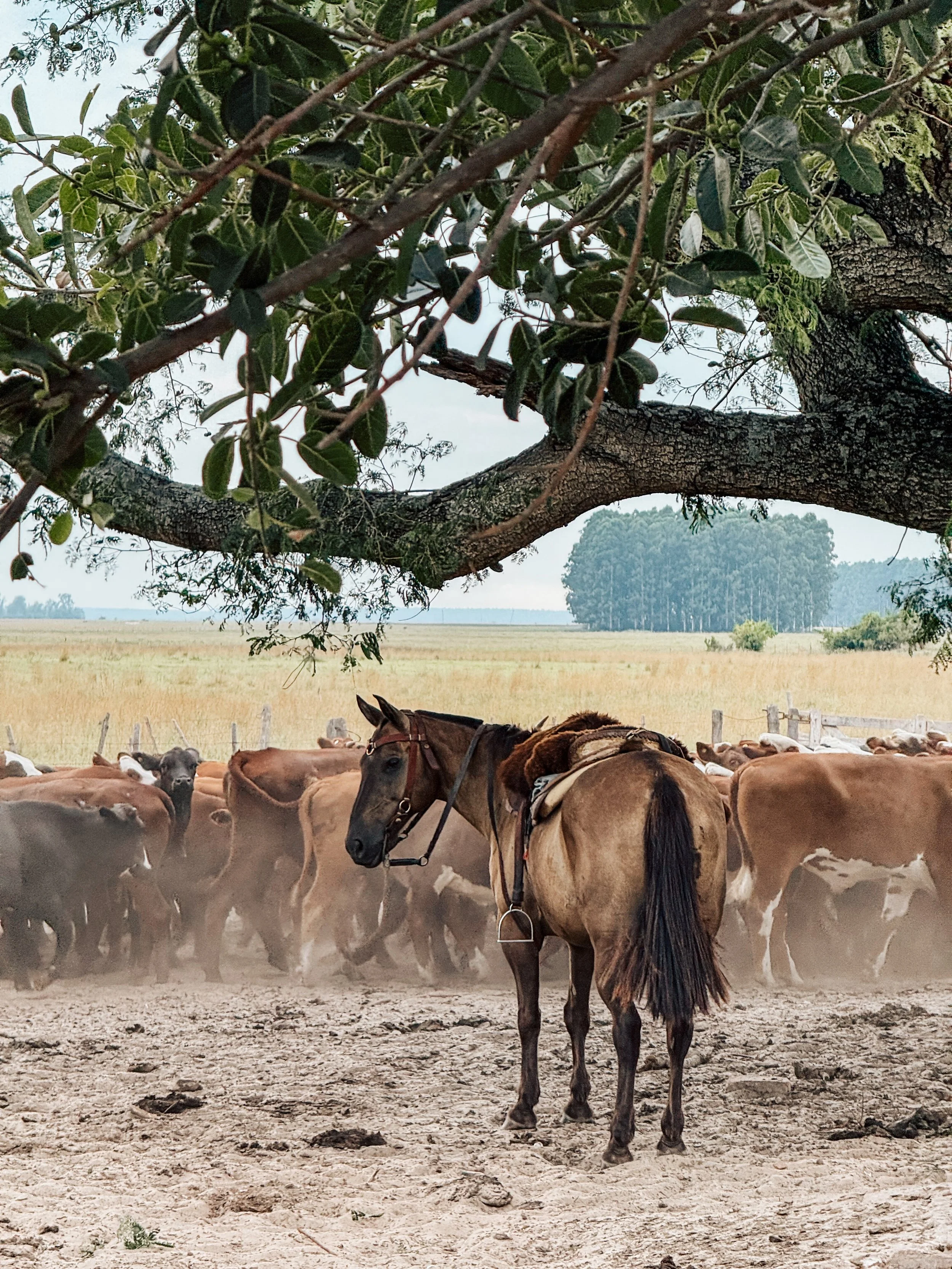
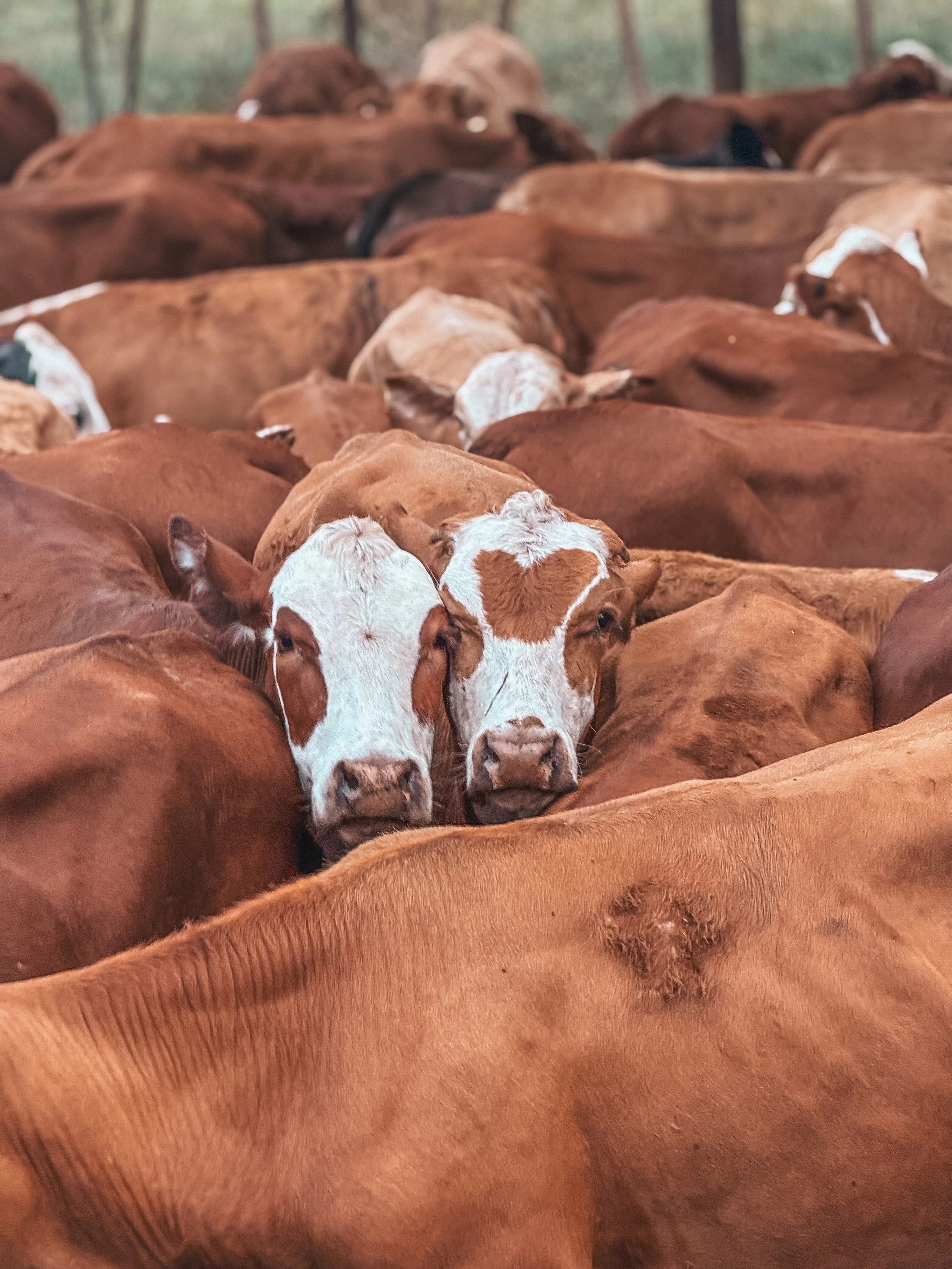
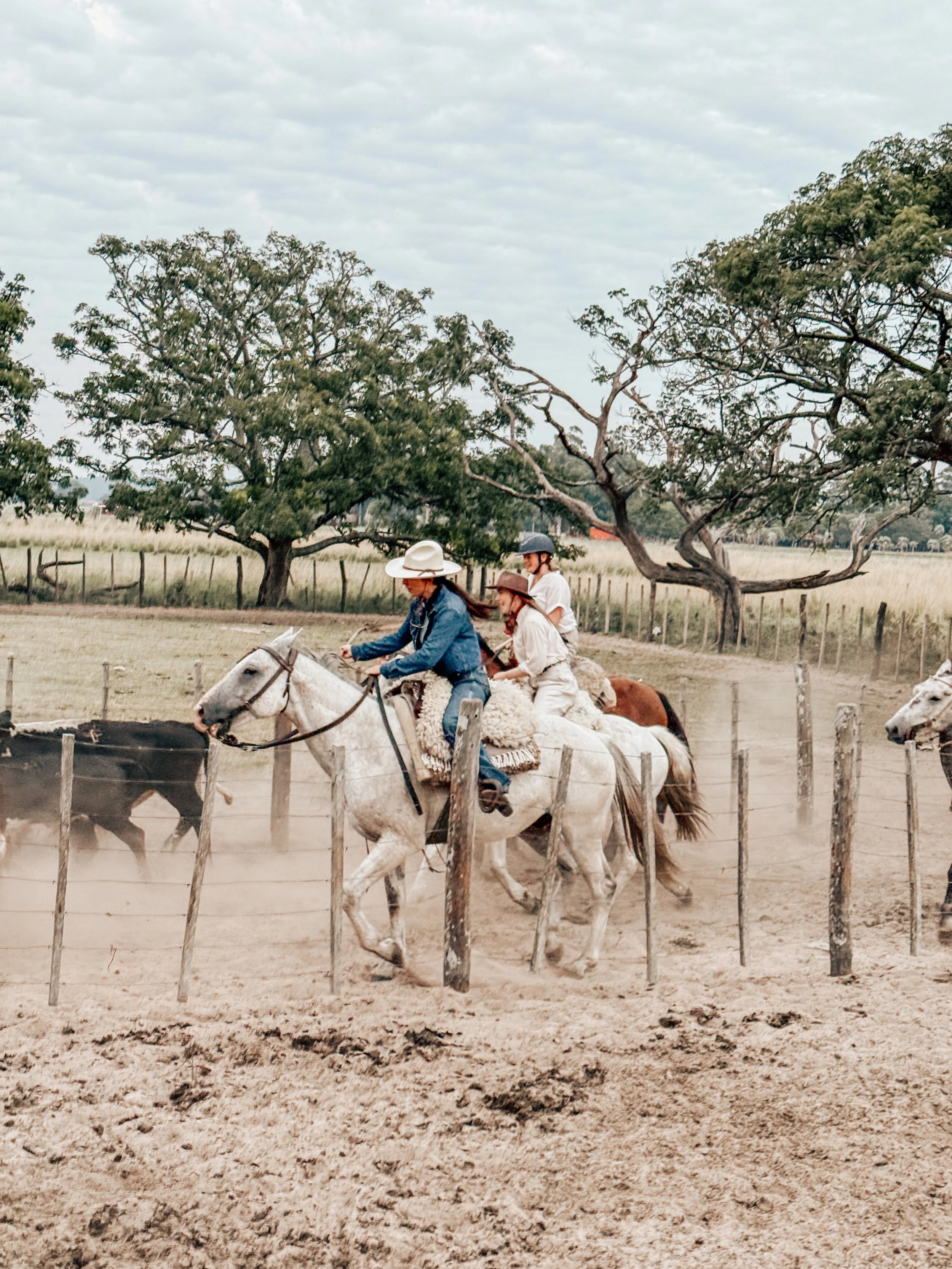
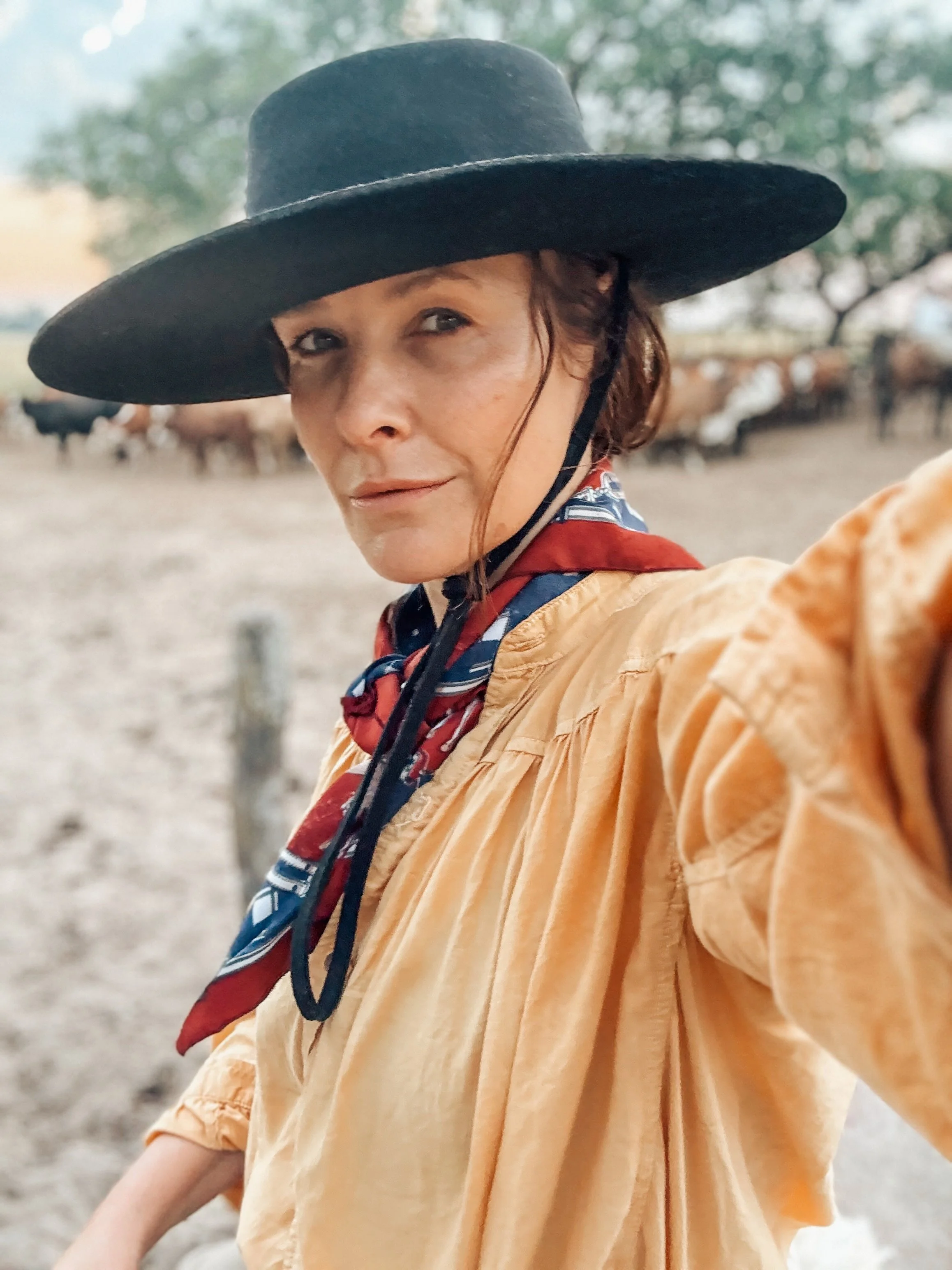
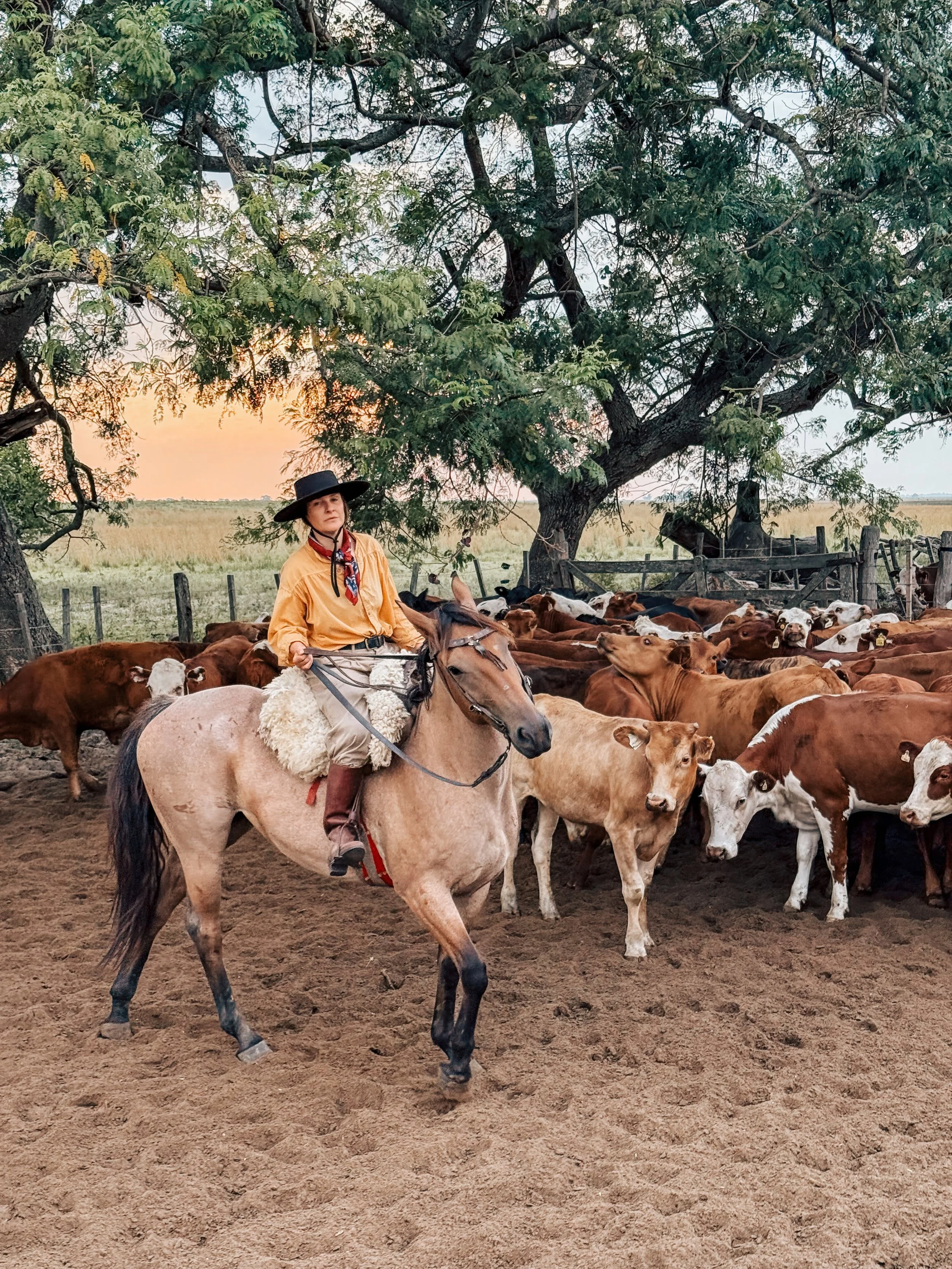
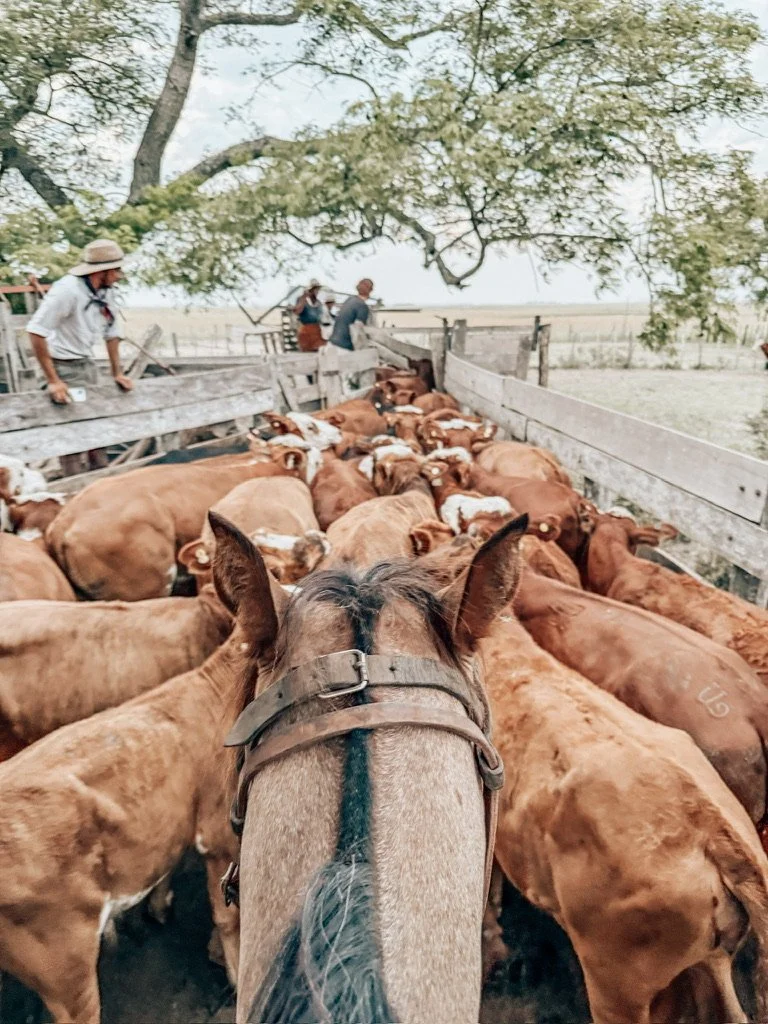
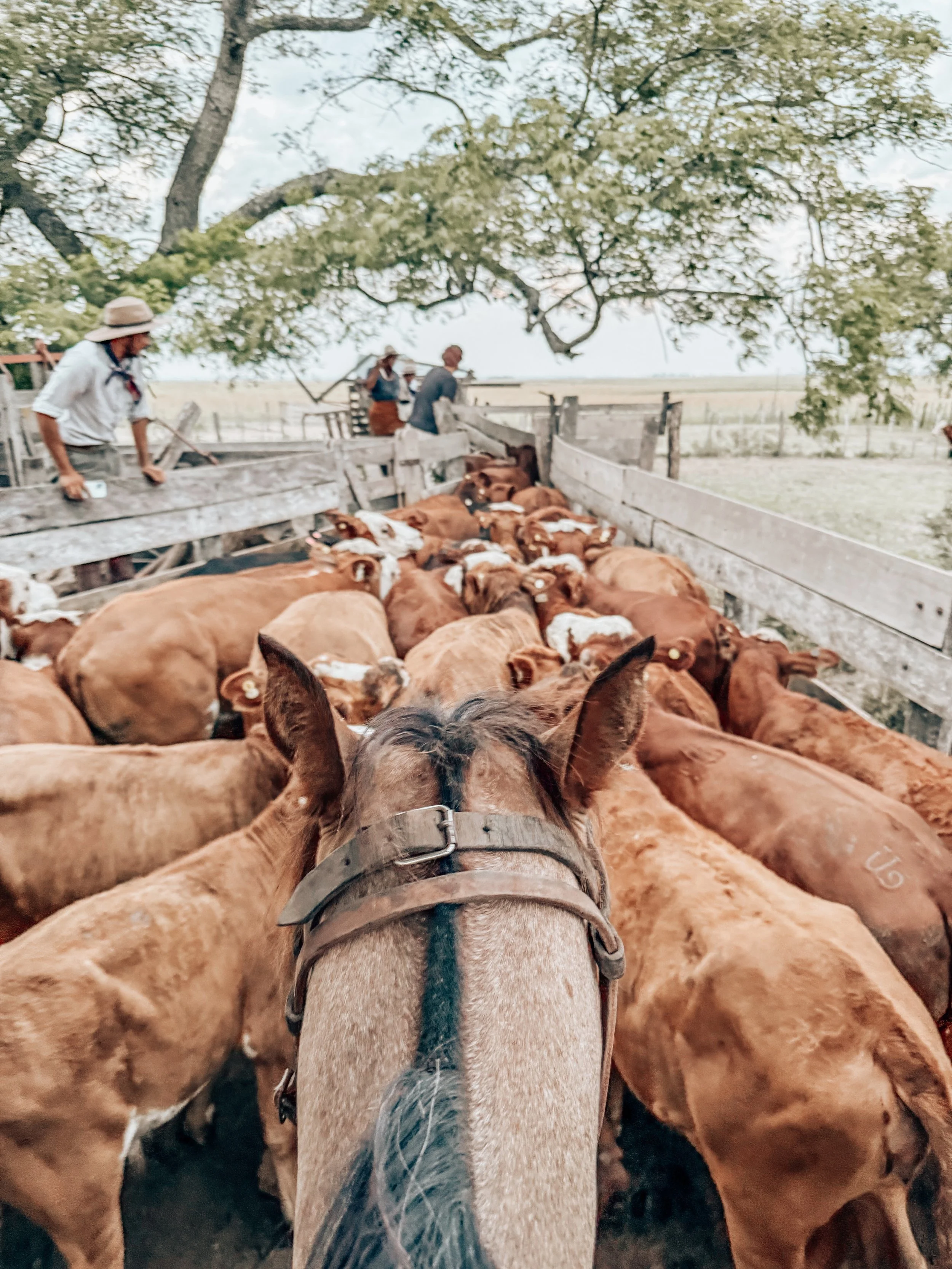
You don’t watch the gauchos work. You work beside them. Opening gates, moving cattle, throwing your first lasso badly enough to earn a laugh. You’re going to eat dirt. Wear dirt. Wash off dirt. Then do it all again tomorrow. So be sure to bring multiple bandanas and oversized sunglasses.
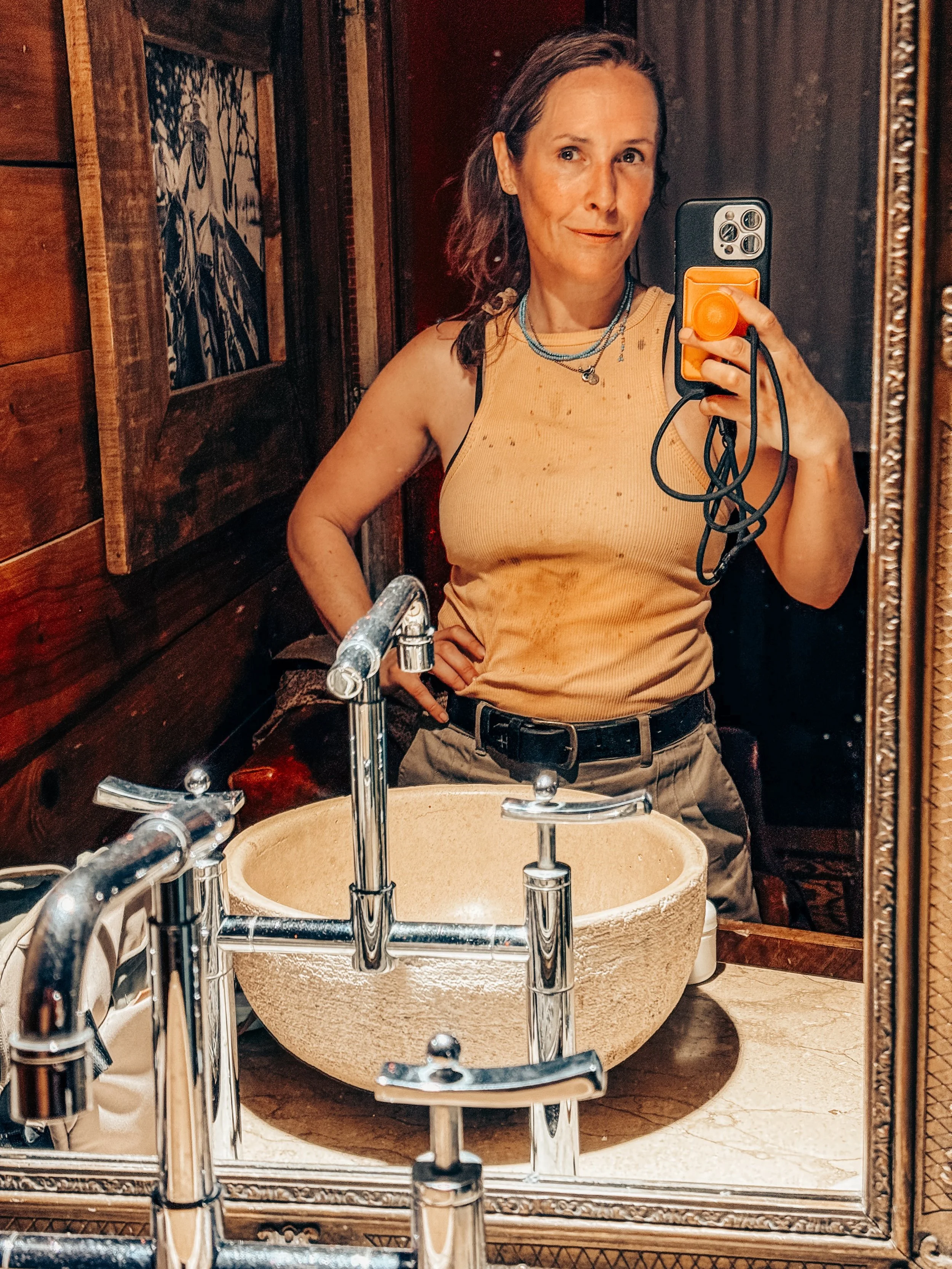
The dust has absolutely no respect for personal boundaries.
Back in the Saddle
If you’ve ever caught yourself thinking, I’d love to do this… I’m just not sure I still can; keep reading.
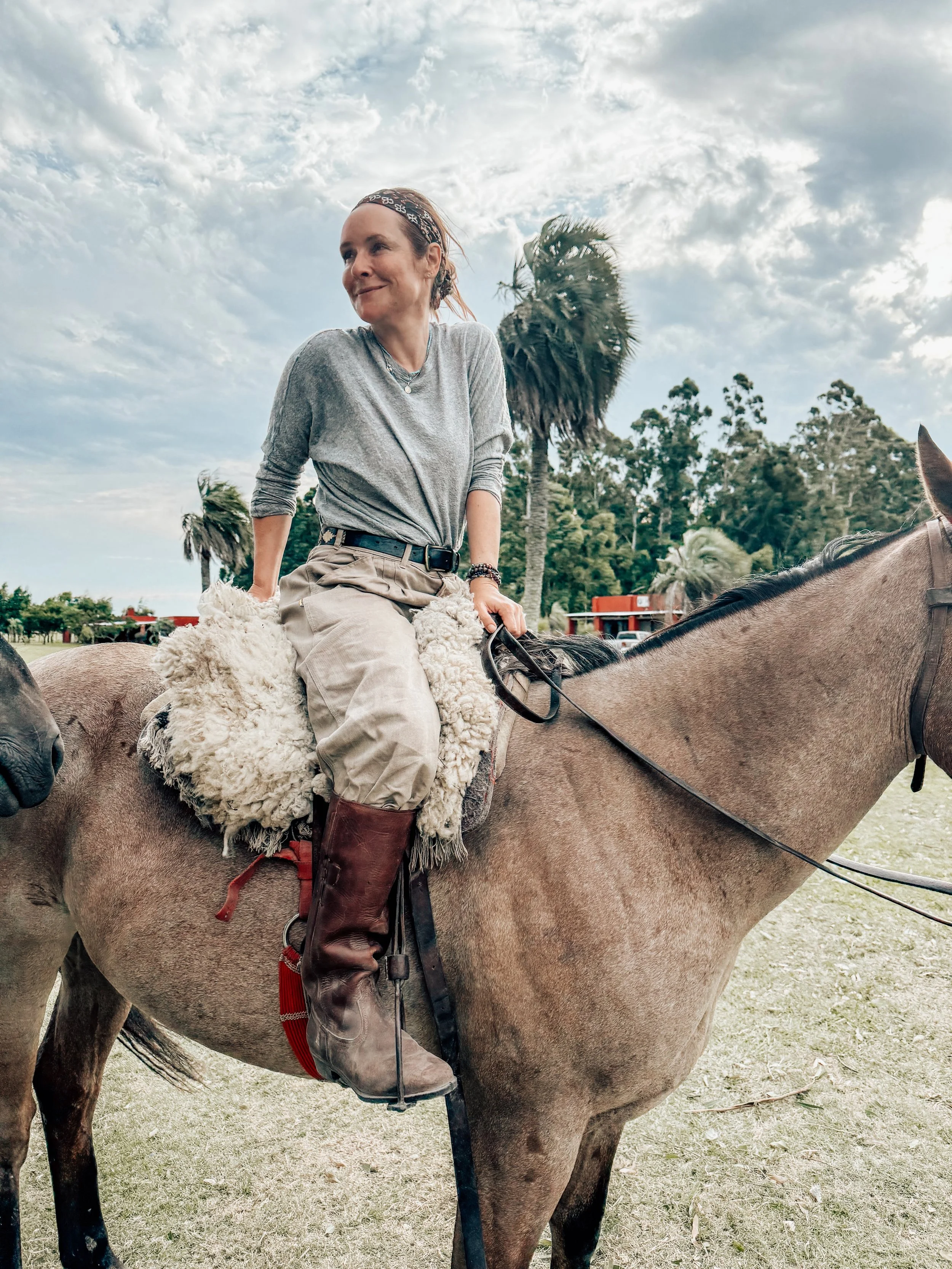
I hadn’t ridden in more than thirty years.
Two years before this trip, I found my way back through weekly riding lessons… quietly rebuilding my confidence and wondering if adventure riding was something I’d missed my chance at.
Don Joaquin proved otherwise.
Of all the rides I’ve completed, this is the one I’d recommend first to riders returning after time away.
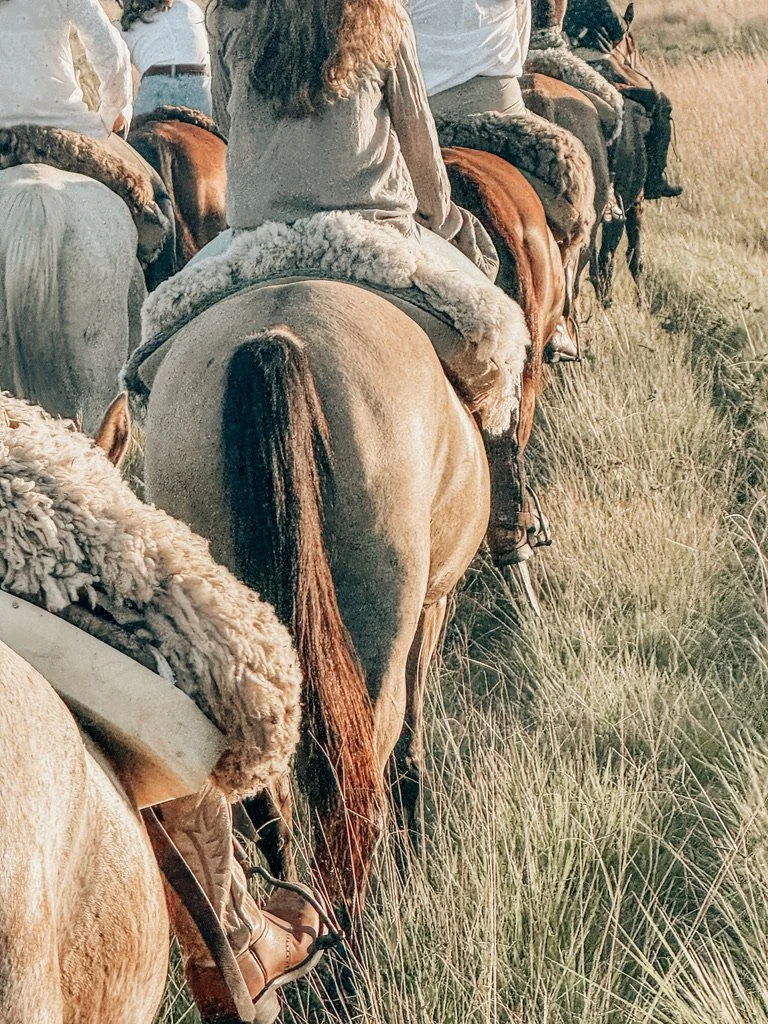
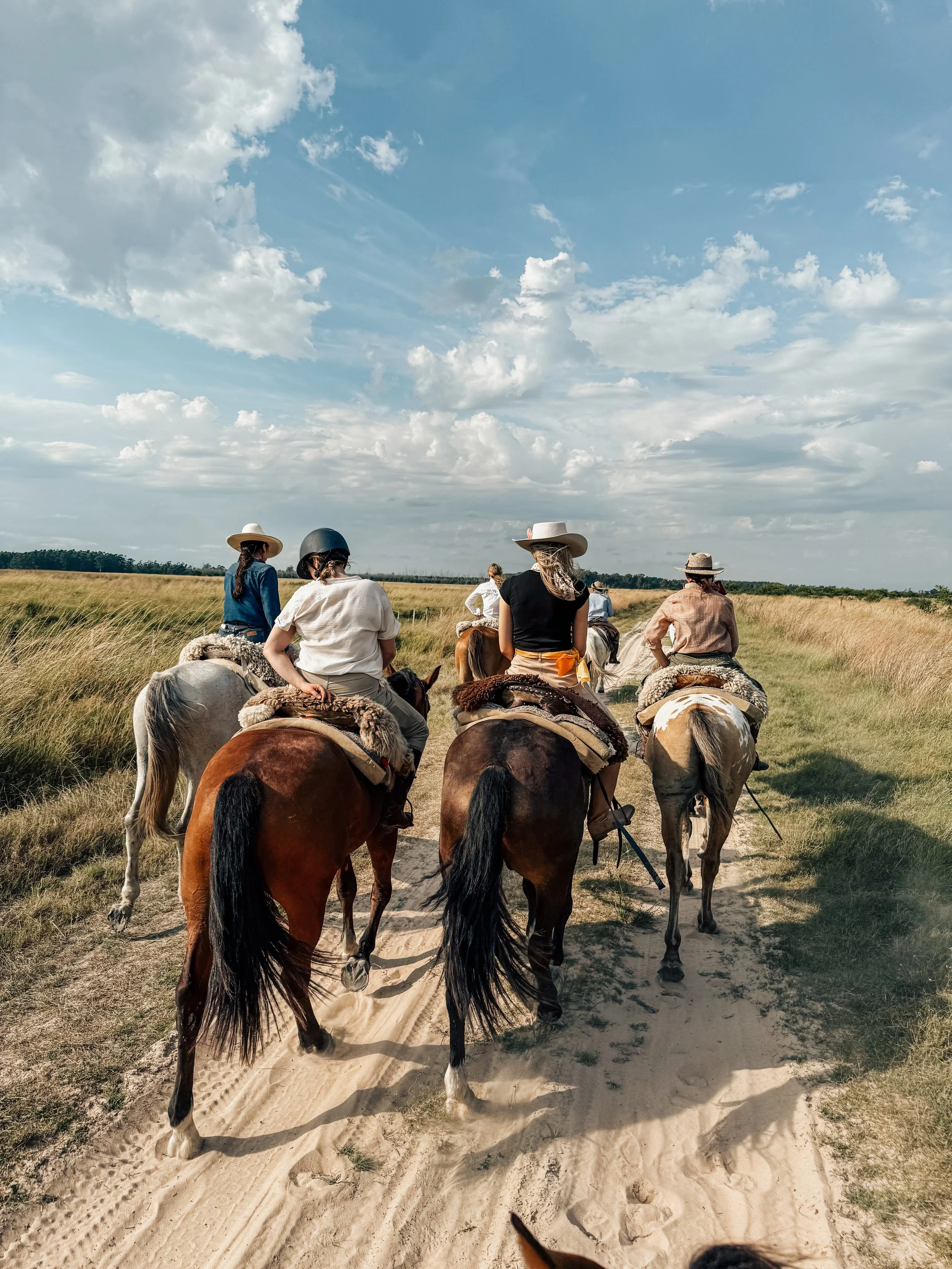
The terrain is varied without being overly technical. Throughout the week, you’ll ride across open grasslands, dirt roads, wetlands, and even swim with your horse through the esteros. Each day builds naturally on the last, and with roughly one gaucho for every two guests, guidance is always close by.
My first few days weren’t particularly elegant. The Argentine saddle felt different. The riding style was different. Everything was different.
One of the best things about learning as an adult is that nobody’s keeping score. You ask questions. You laugh at yourself. You get back on and try again. You’re there because you want to be, not because you have anything to prove.
Somewhere during the week, I stopped wondering whether I was good enough to be there.
I was simply enjoying the ride.
Looking back, the hardest part wasn’t getting back in the saddle. It was deciding to.
Of all the rides I’ve completed, this is the one I’d recommend first to anyone returning to horses.
Is this rider you?
If you’re wondering whether you’re ready, you’re probably closer than you think.
The Wild Edit hosted rides are for women returning to horses, travelling solo, or finally saying yes to the adventure they’ve been putting off. Every itinerary is personally researched and experienced first, so you can arrive with confidence and simply enjoy the experience.
Corrientes keeps calling me back to Argentina, and travelling with a small group removes an enormous amount of mental load and uncertainty. Transfers are organized, logistics are handled, and you’re surrounded by women who came for exactly the same reason you did.
It’s the perfect first step into solo travel.
You’ll still navigate airports, new places and a different country, but once you arrive, everything else is taken care of. You’re travelling solo, but you’re not alone.
Corrientes At a Glance
Esquina, Corrientes, in Argentina’s Iberá wetlands
One of the world’s largest freshwater wetland ecosystems
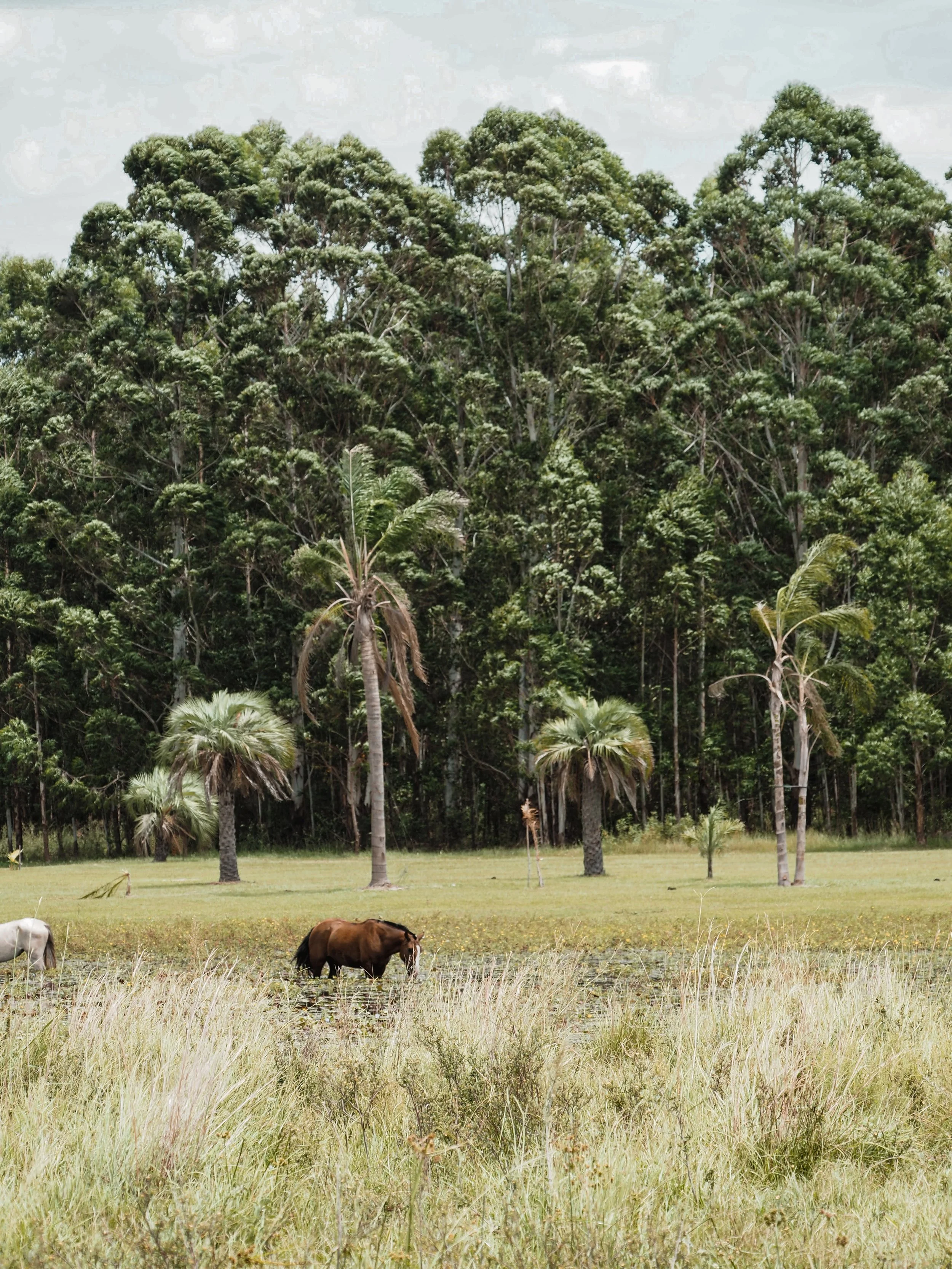
Grasslands, marshes, lagoons and native palm forests
Best riding from November to March (rides operate year-round)
Hot, humid climate with long daylight hours
Where in the World
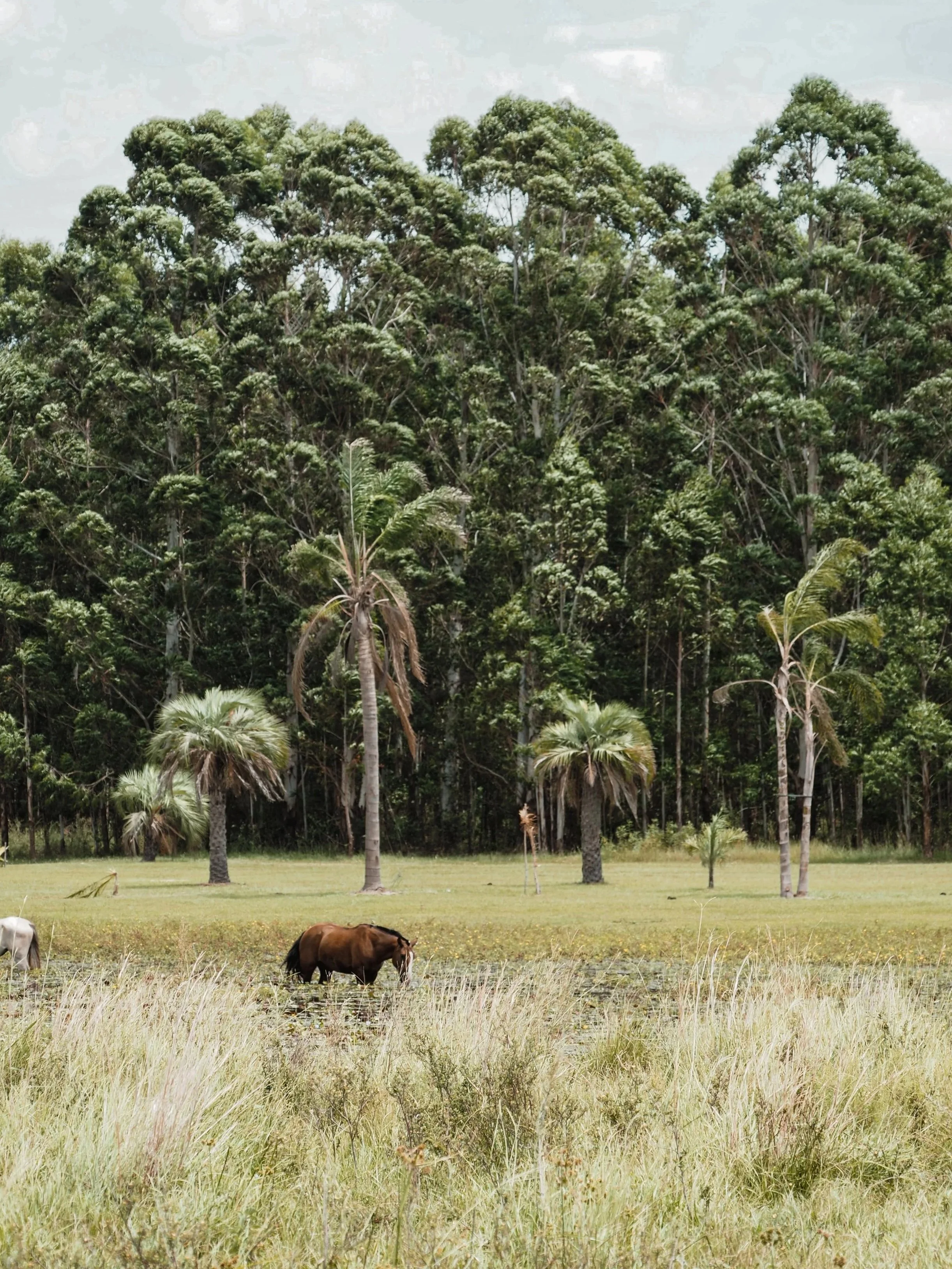
More than 150 Criollo horses make up the estancia’s herd
Built for cattle work, heat, water and open terrain
Sure-footed, steady in the saddle and remarkably tireless
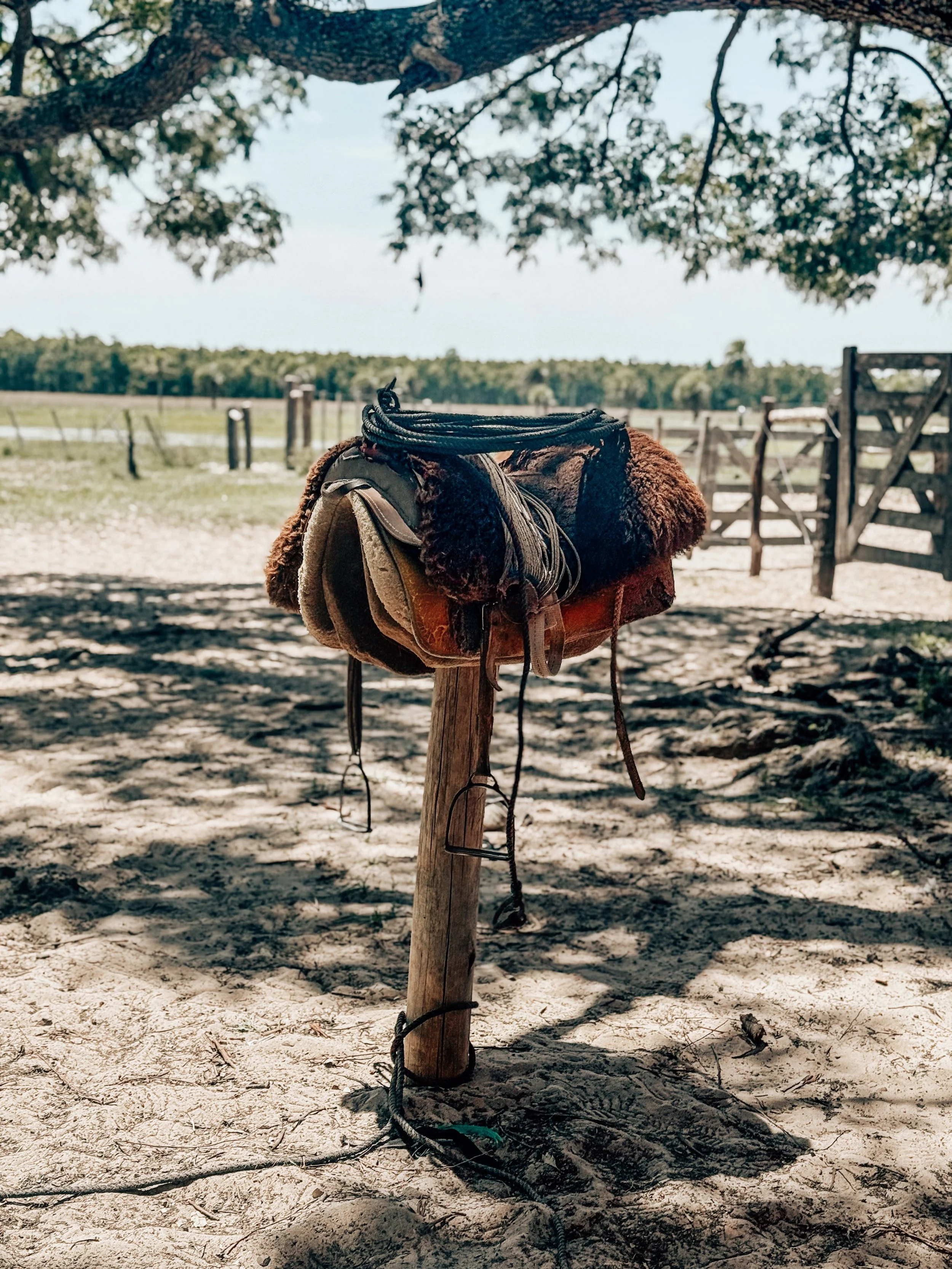
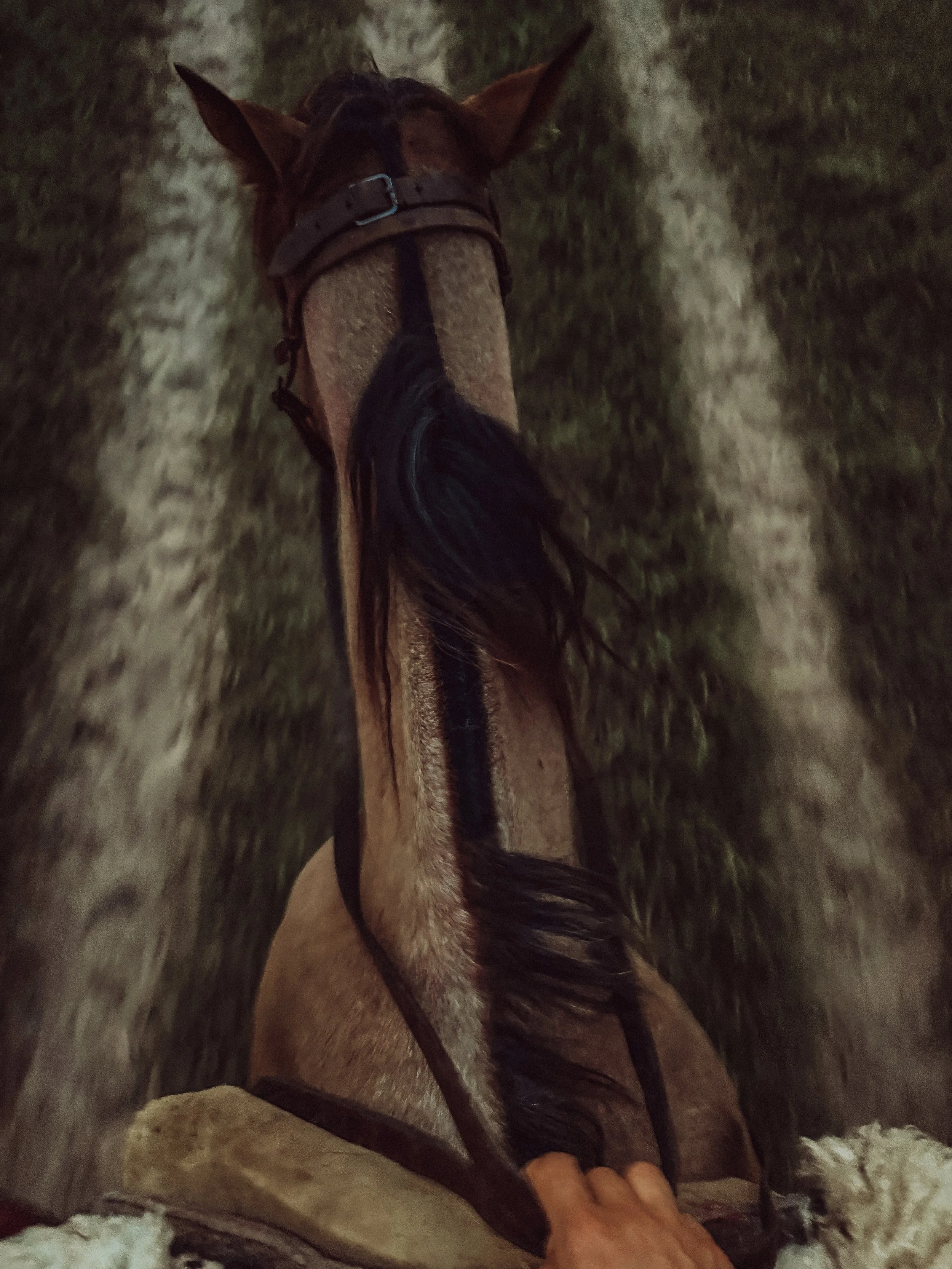
Argentine one-handed neck reining feels surprisingly natural, whether you ride English or Western
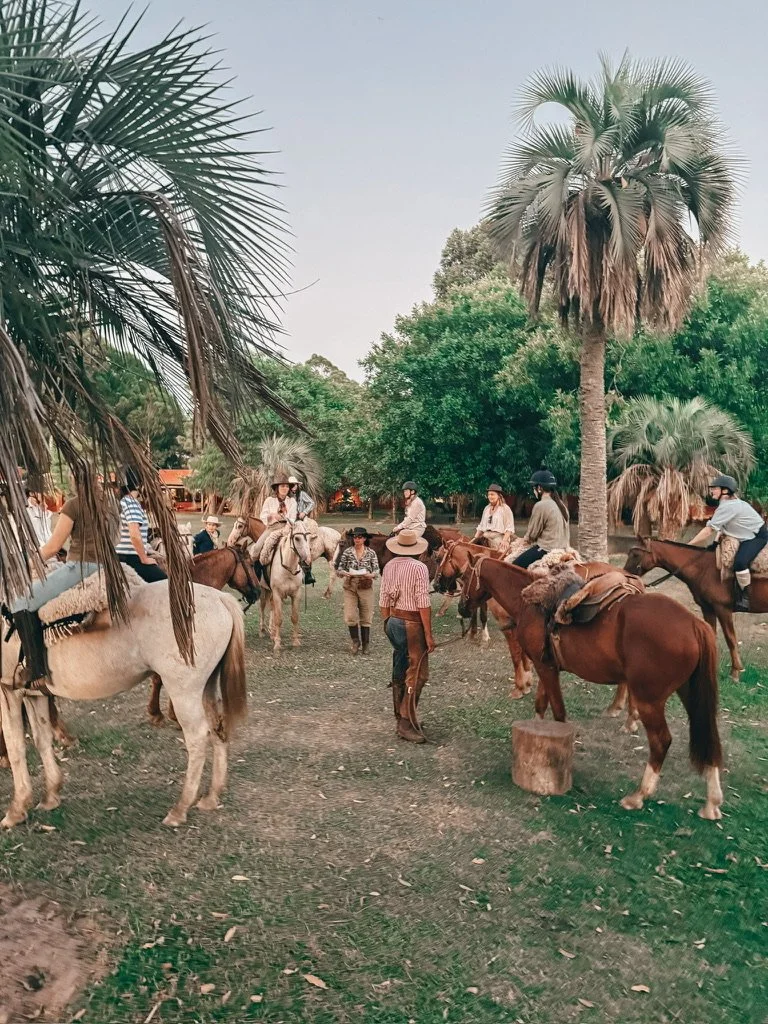
Around 20 horses are brought in and matched to each riding group
Horses are rotated throughout the week based on workload, weather and horse welfare
The Horses
The Family
Family-run estancia owned by the Solanet family
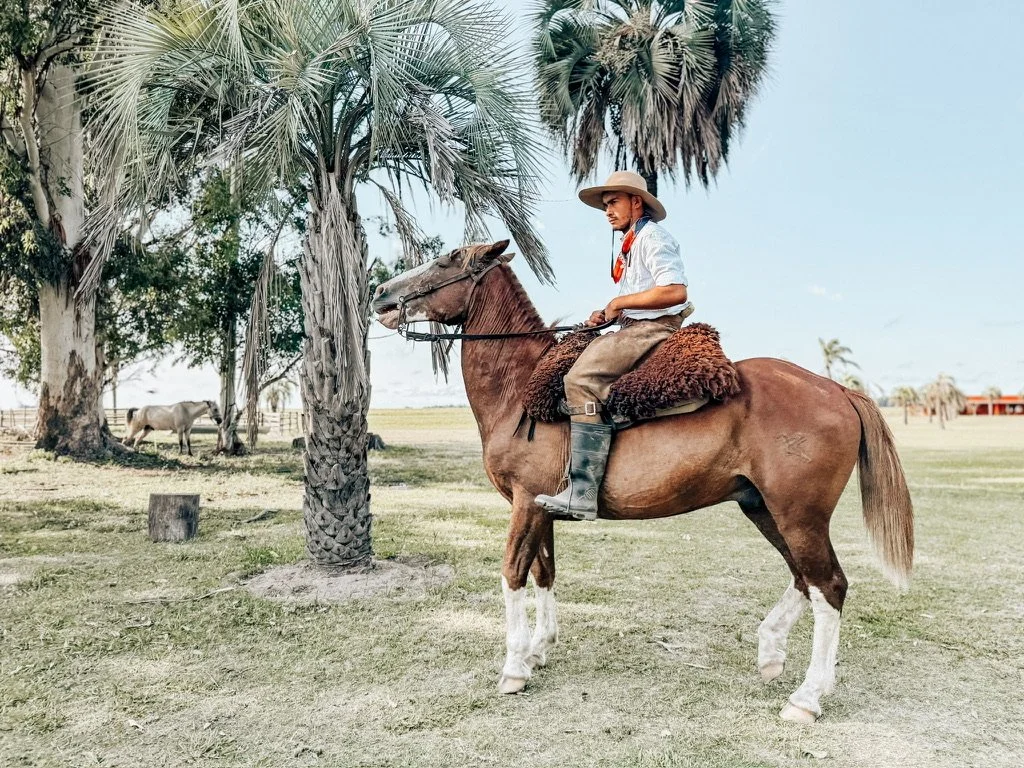
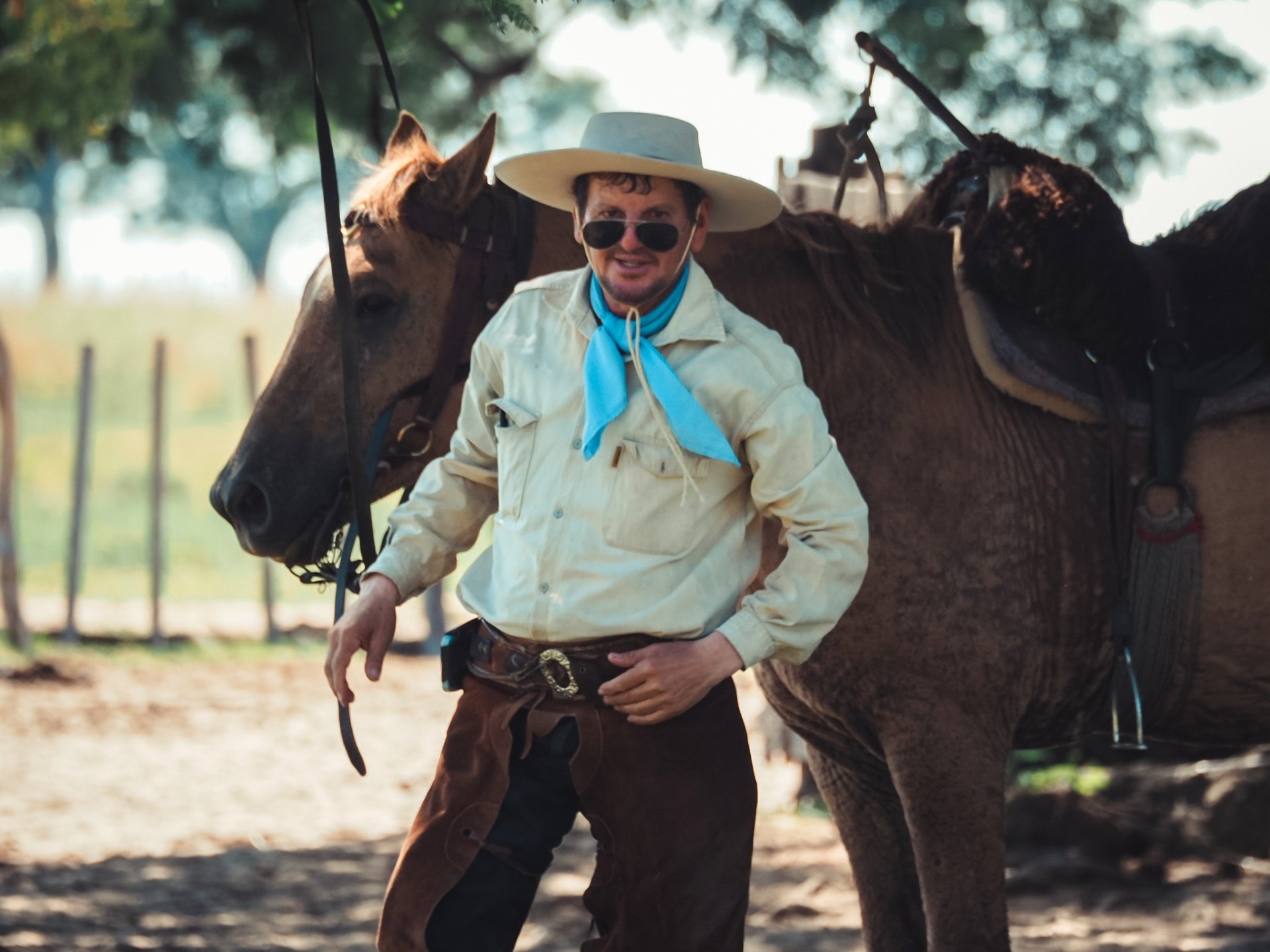
Guided by Josefina Solanet and the local gauchos
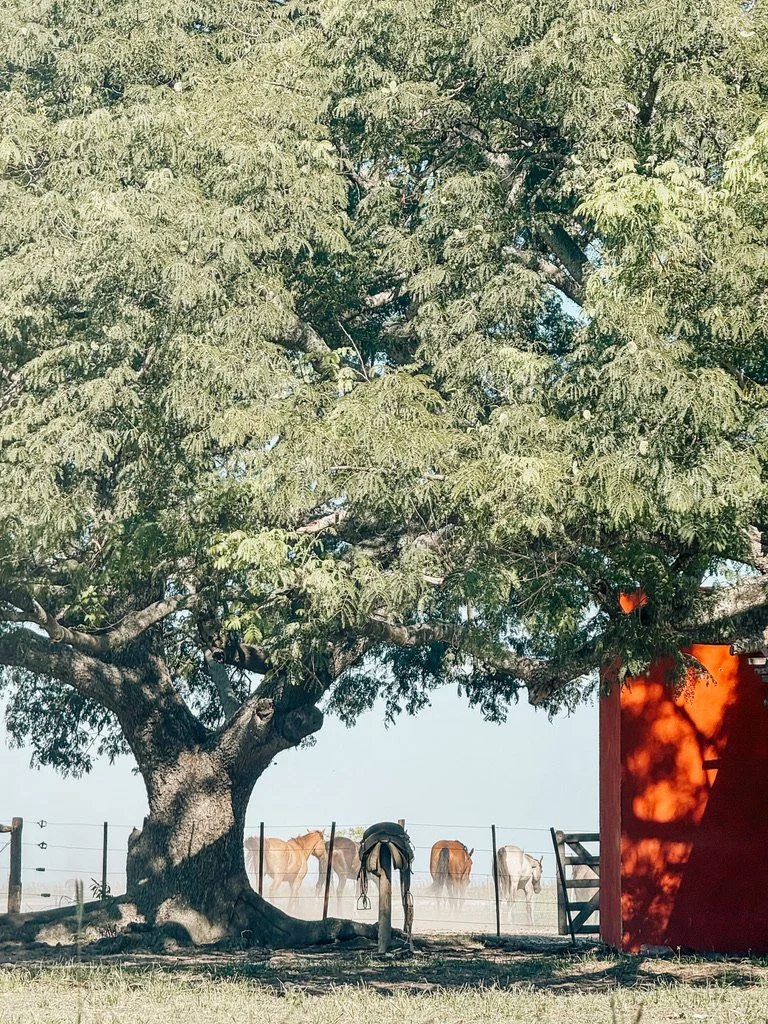
Working horses raised and ridden on the property
Small guest numbers with a highly personal experience
You’re part of daily estancia life, not watching from the sidelines
Estancia Life
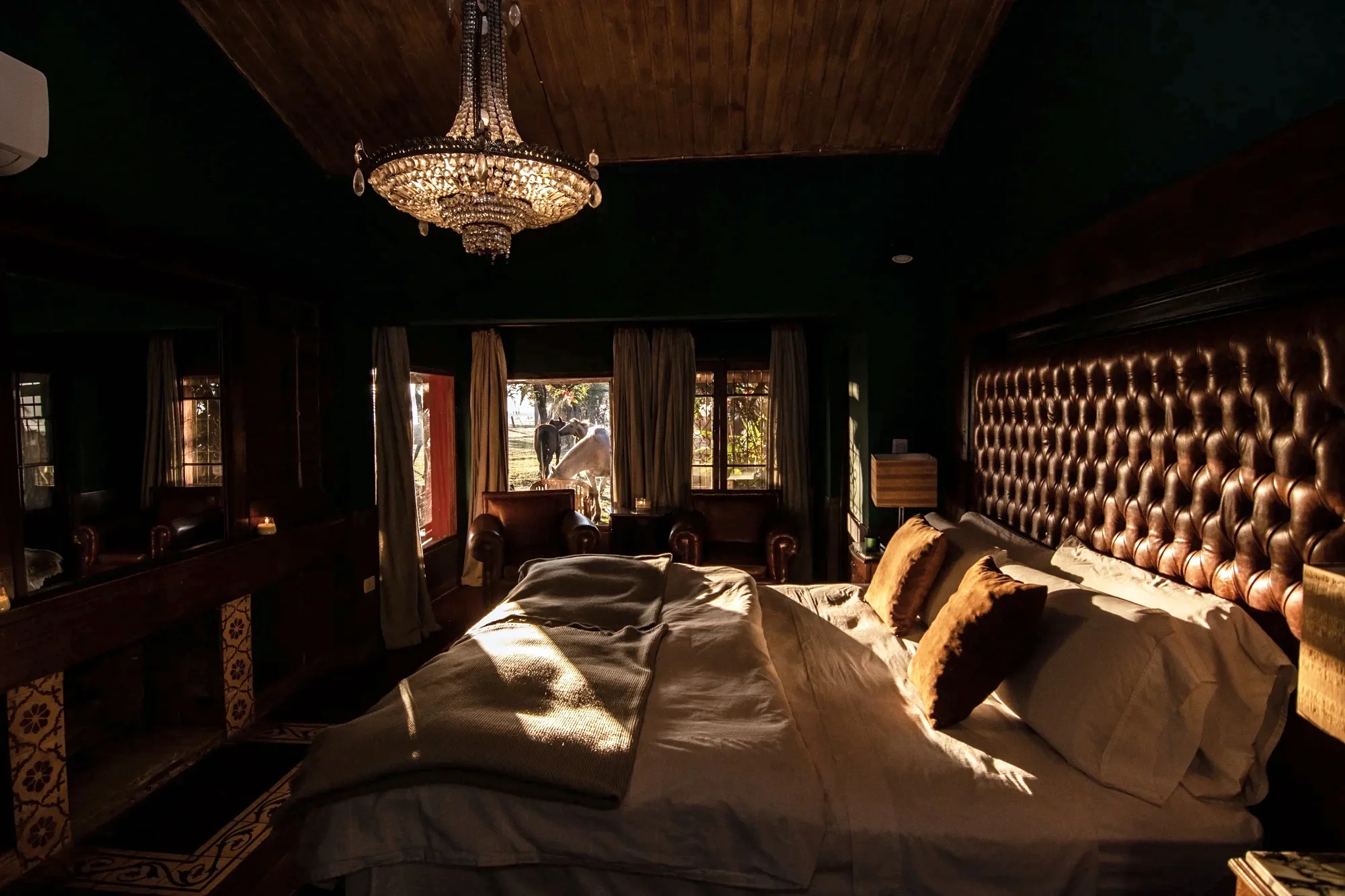
15 ensuite rooms sleeping up to 22 guests
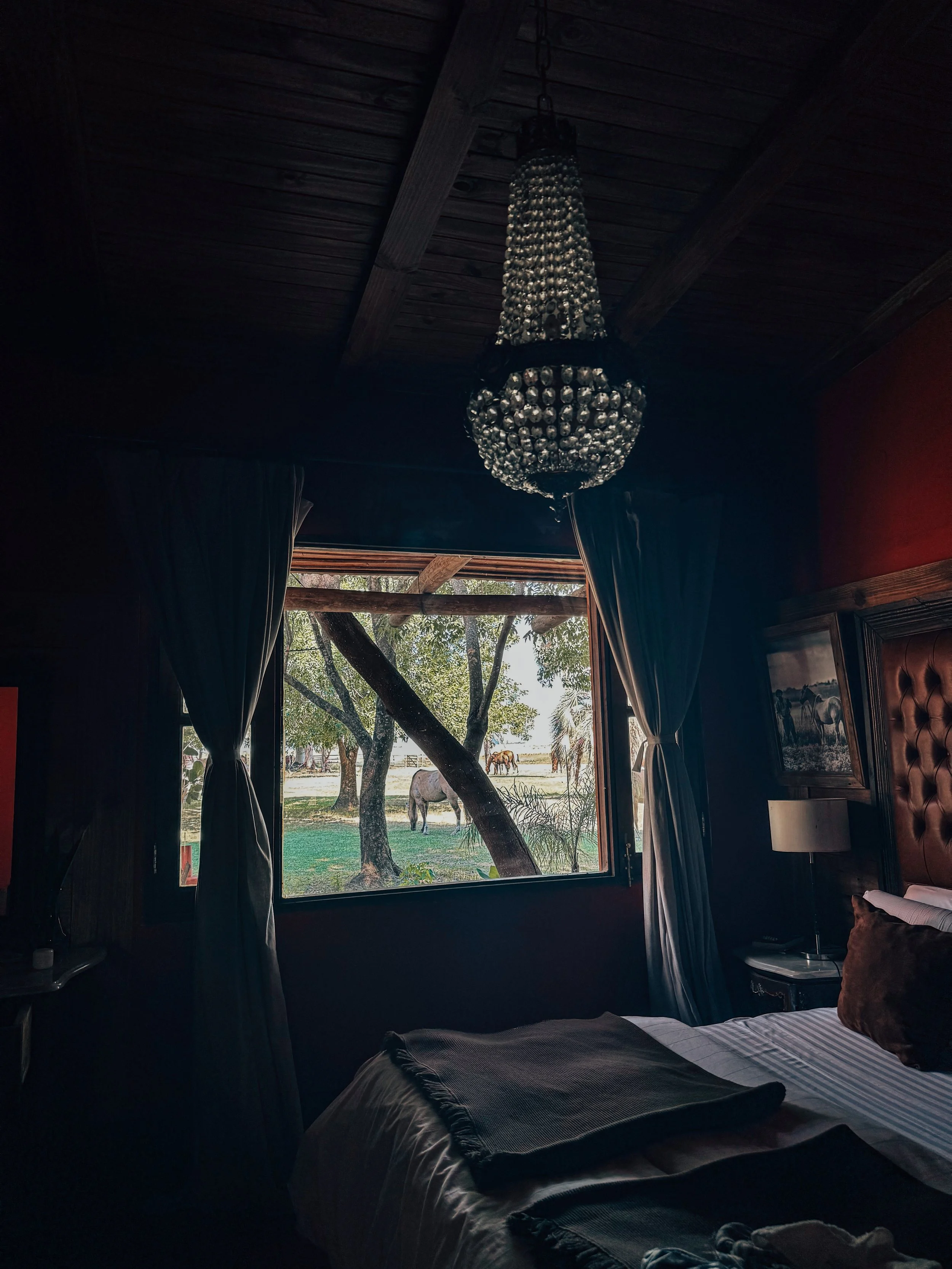
Comfortable ensuite rooms with antique ranch-house character
Rooms named for the birds you'll see outside the window
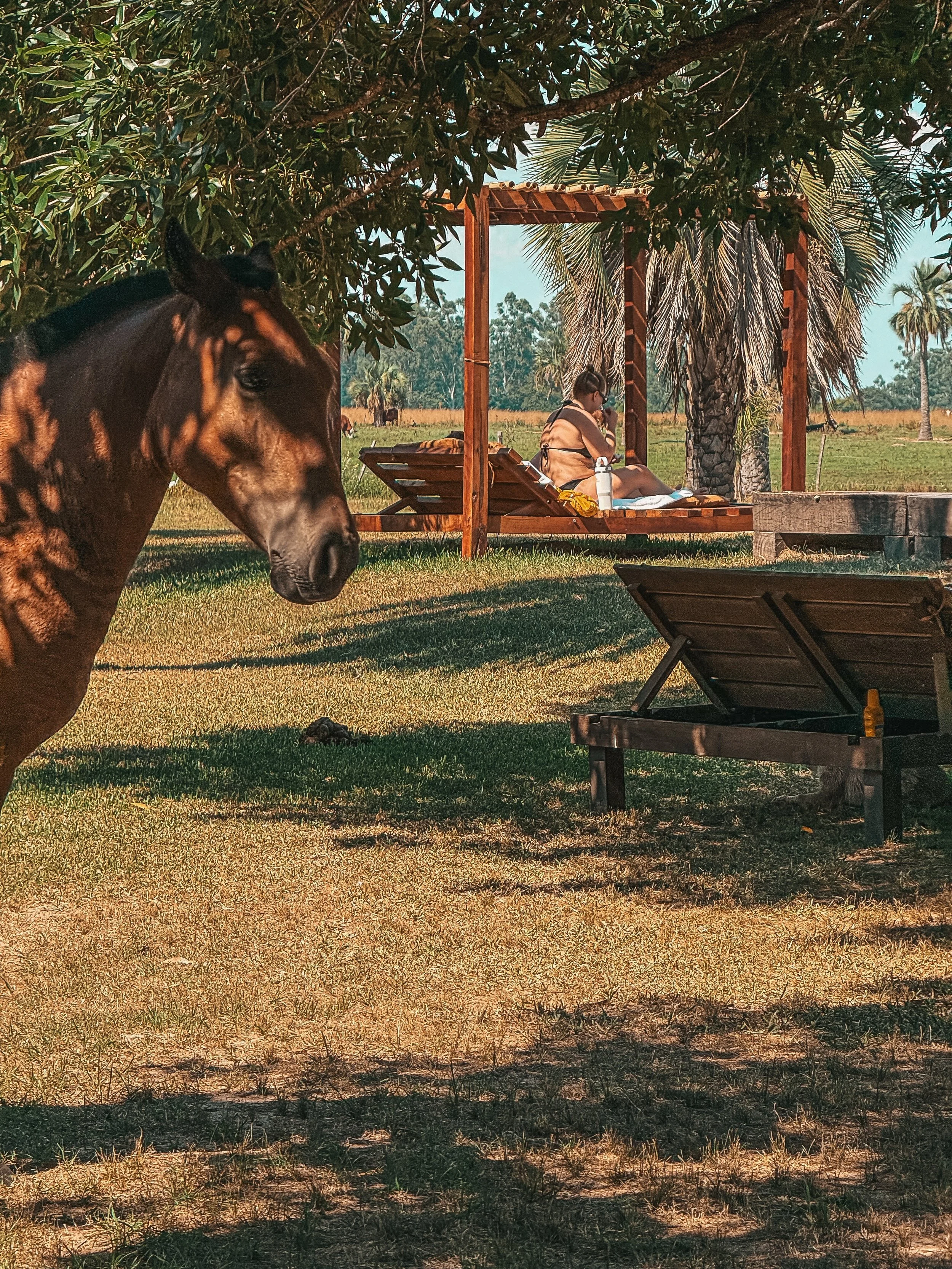
The swimming pool becomes everyone’s meeting place between rides.
The kind of place you settle into by your first afternoon siesta
Fully all-inclusive — meals, wine, horses, and transfers included
Two rides daily, timed around heat, cattle work and weather
Long days in the saddle, several hours at a time
Argentine tack and saddle, ridden one-handed with neck reining
Come from English or Western riding; the horses sort you out
Open pasture, dirt roads, marshland and water crossings
Canters across open ground and through the esteros
Cattle drives, rounding up horses, horse cutting and lasso work
The Ride
The Wildlife
Rhea stalking the grassland
Caiman surfacing in the lagoons
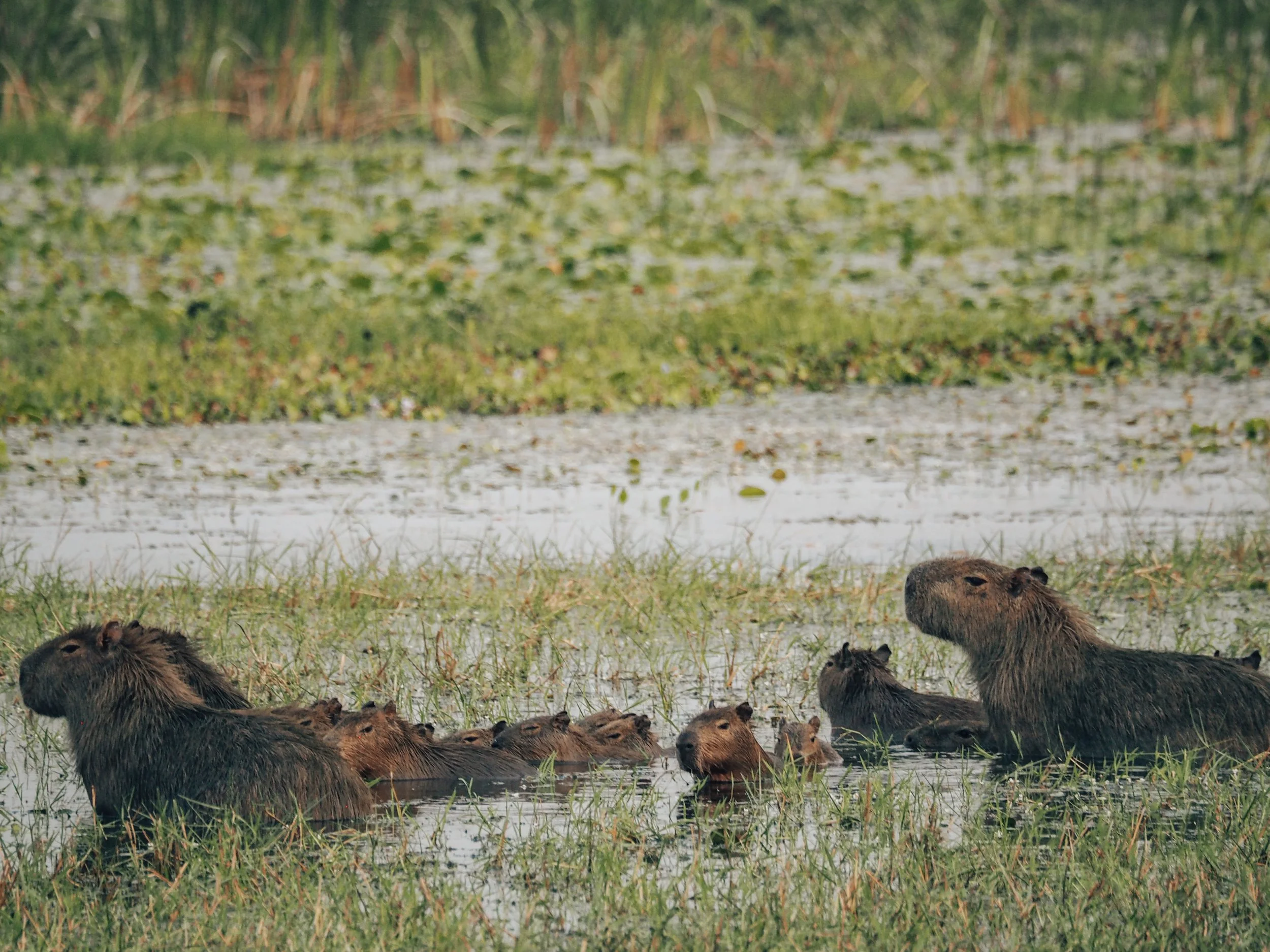
Capybara families gathered at the water's edge
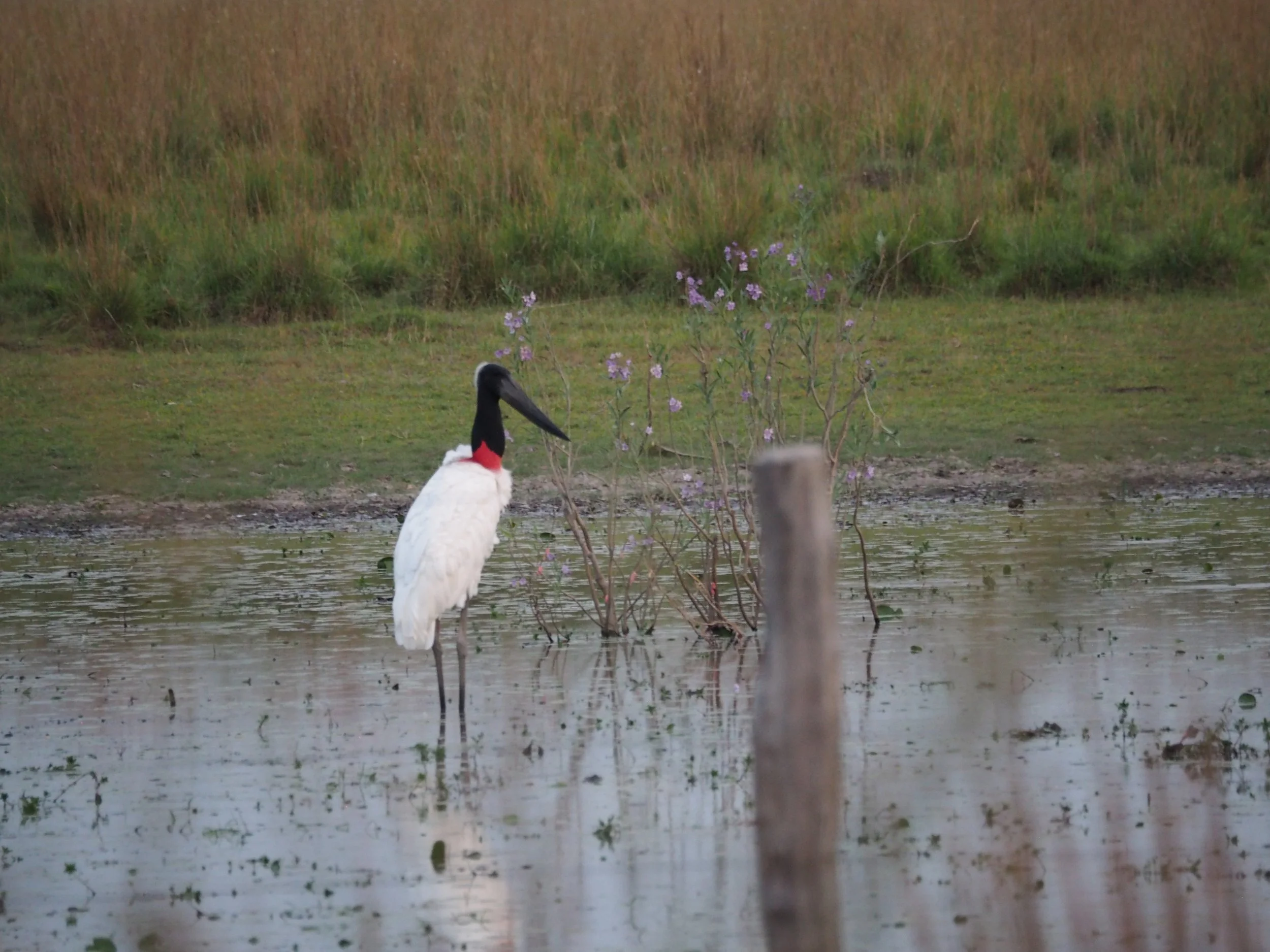
Golden dorado jumping at sunset, jabiru storks lifting off
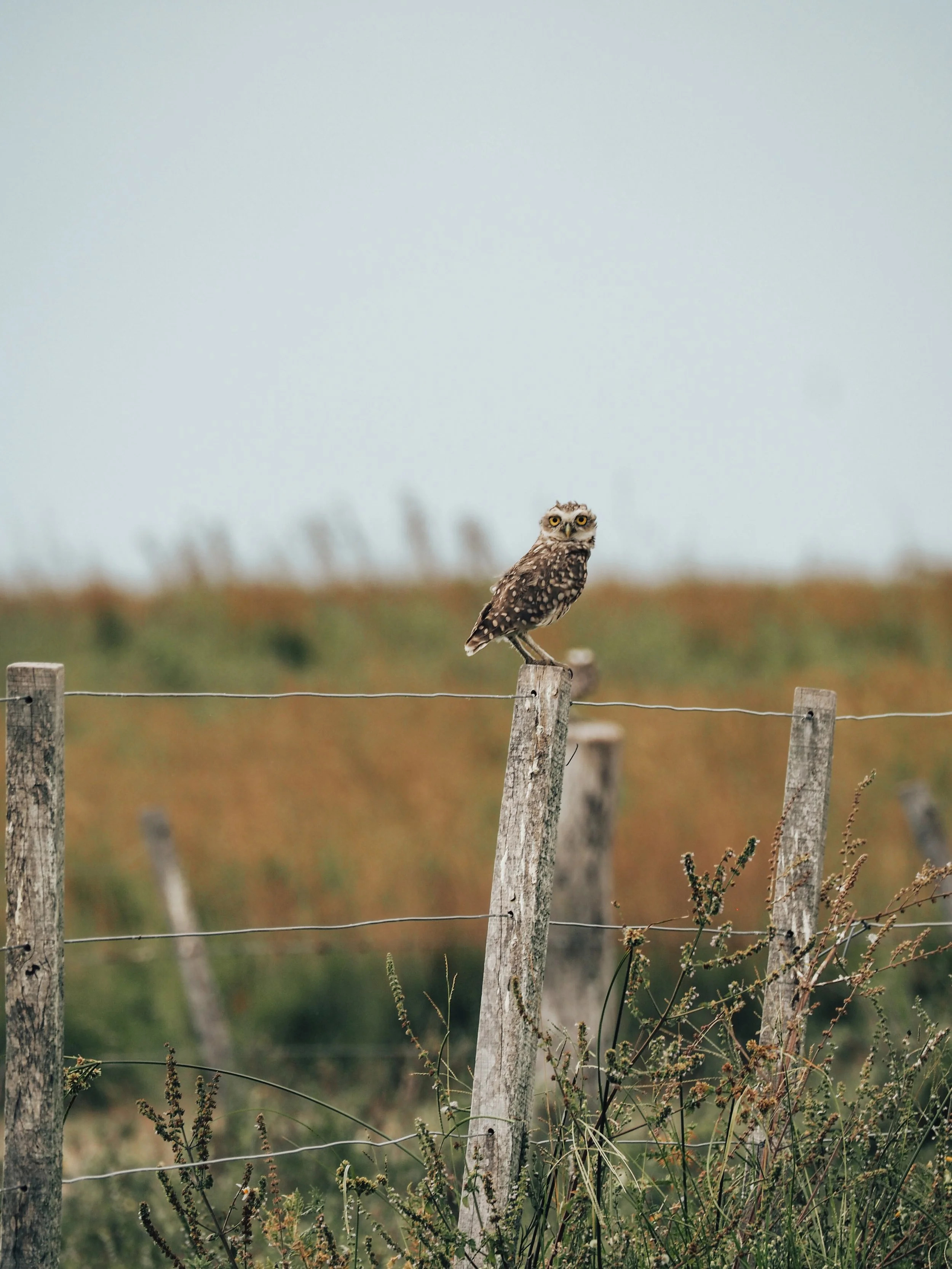
More species of birds than you will ever be able to name
One lagoon you don't swim in (piranhas — and yes, they're real)
Out Before the World Wakes Up
You're up at 5:30 a.m.
Coffee first.
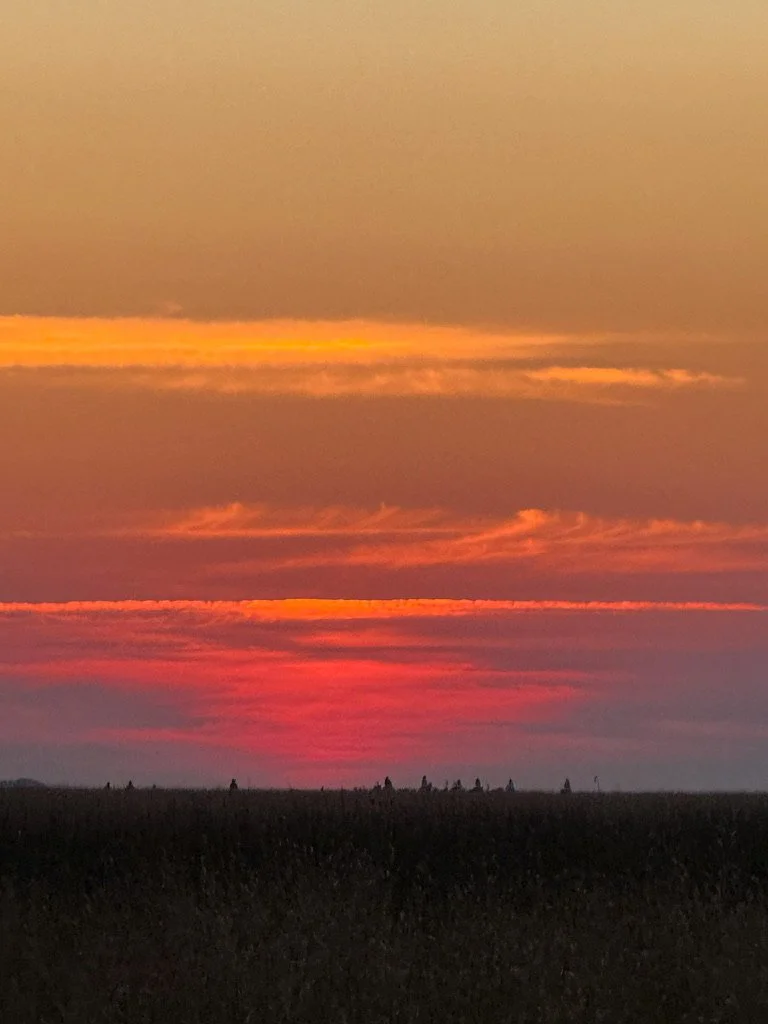
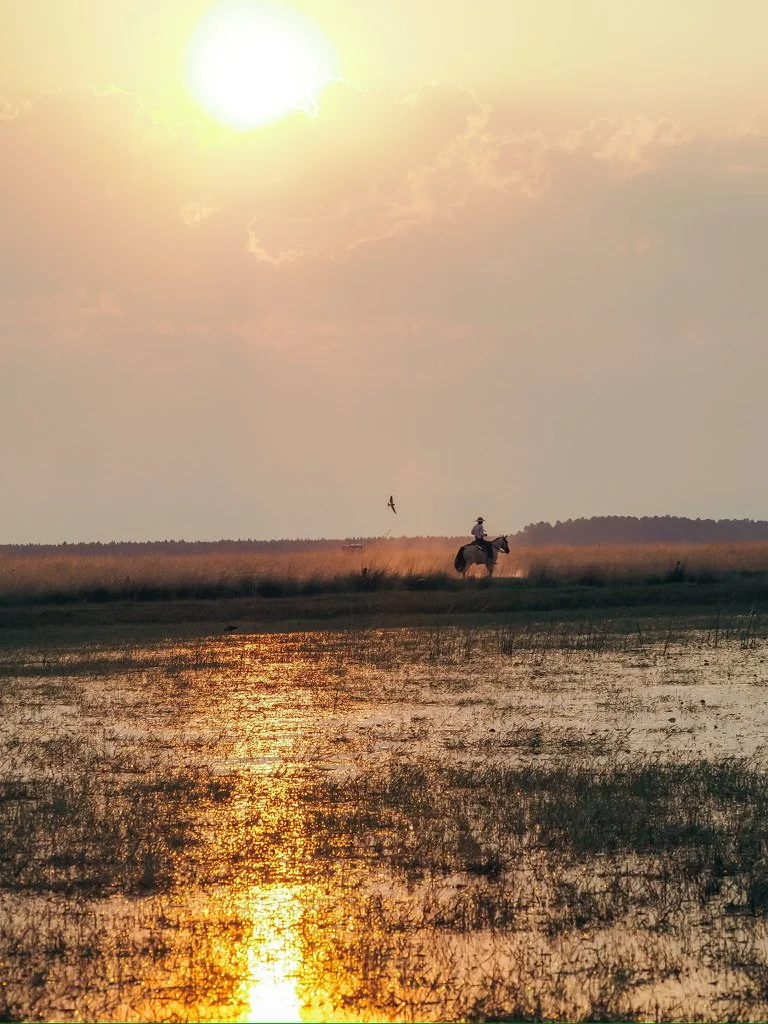
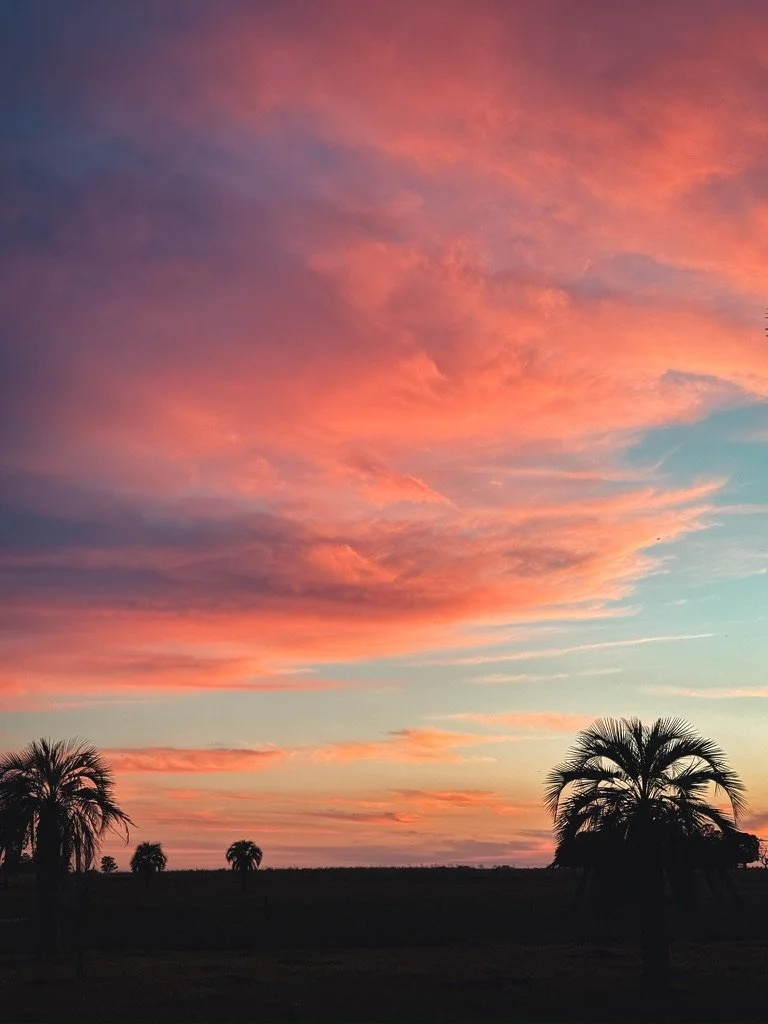
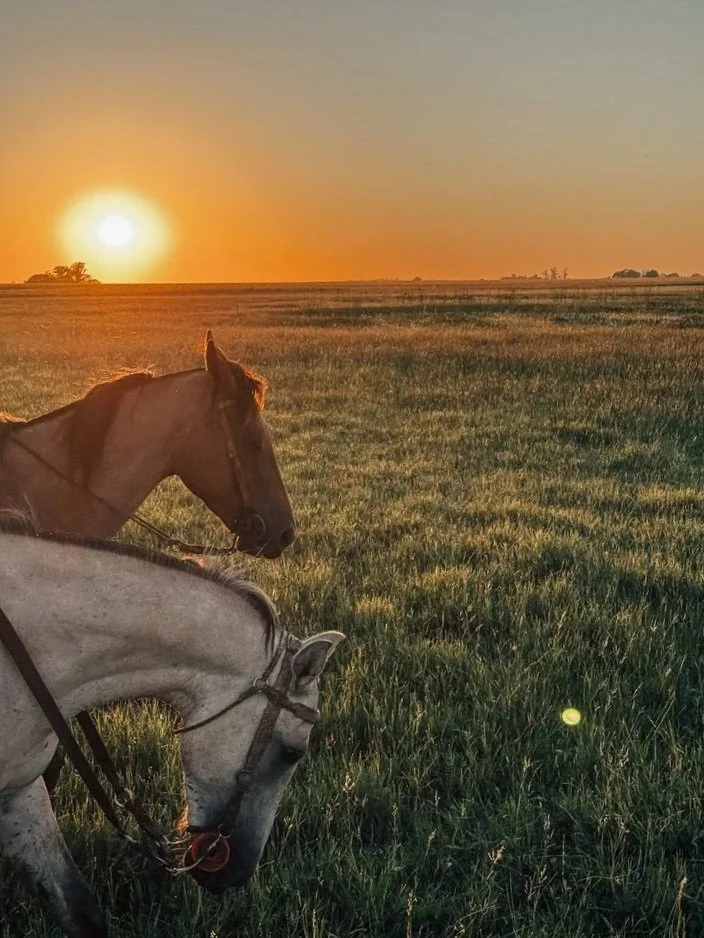
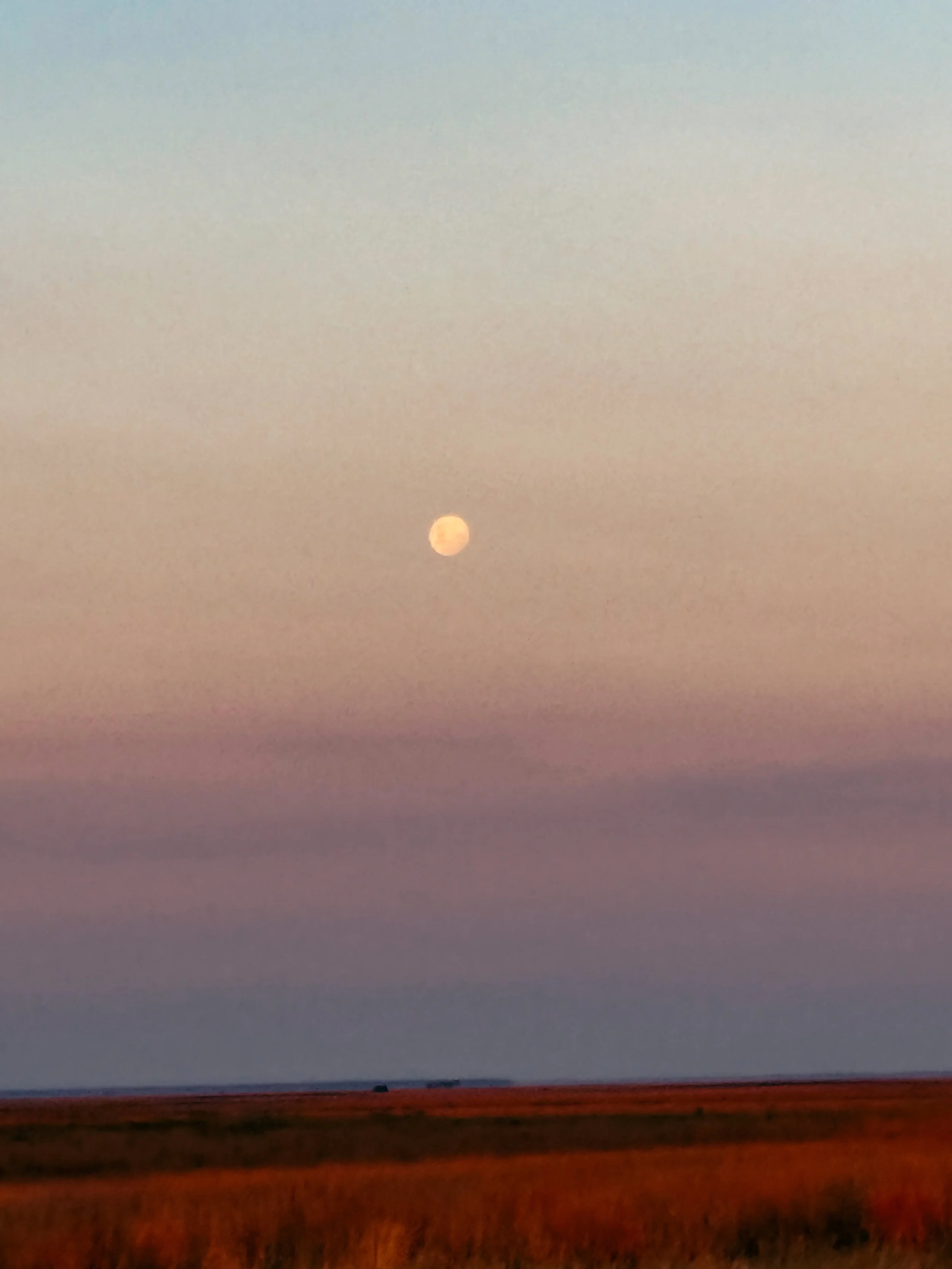
You sit on the veranda watching the sky over the wetlands begin to do something spectacularly unreasonable. You’ll become the sort of person who starts setting an alarm for dawn. The sunrises here are absurd.
Your horse is waiting.
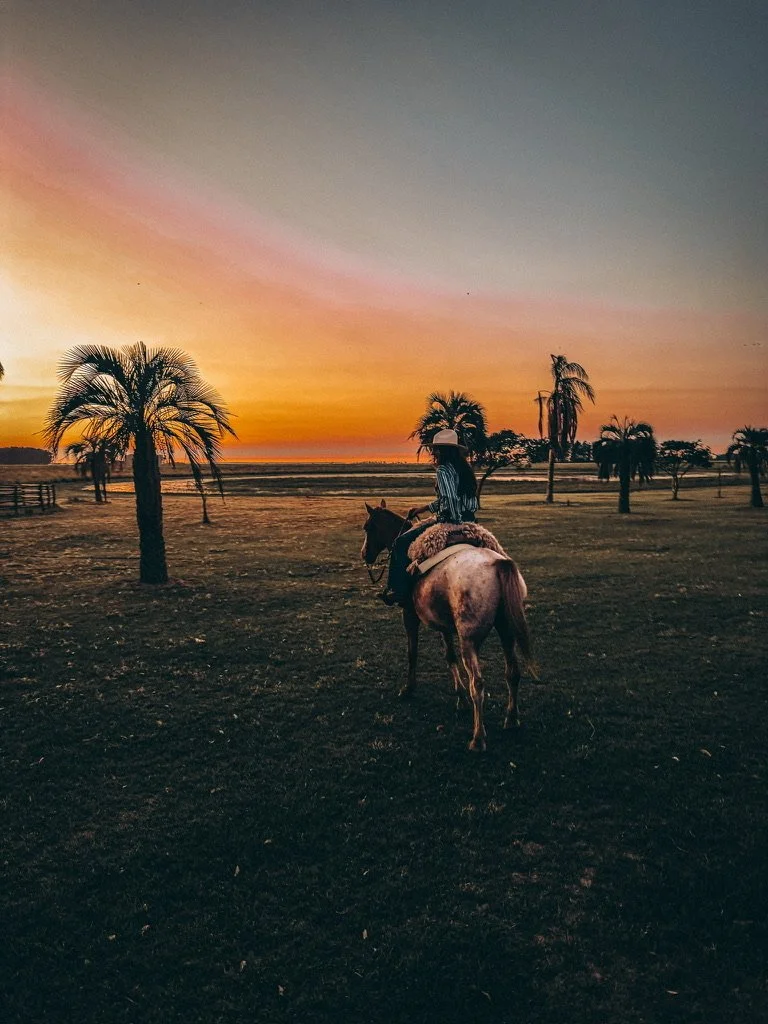
As the first light breaks across the esteros, you ride out into the grasslands. The air is still cool, the horizon feels endless, and the scale of it all makes you feel very small in the best possible way.
By mid-morning, the heat is beginning to settle over everything.
You’re back at the estancia for a long brunch, more coffee and perhaps a glass of prosecco. No one here seems particularly concerned with arbitrary rules about appropriate drinking hours. Then comes the daily routine that quickly starts to feel non-negotiable:
A swim.
A siesta.
Absolutely no guilt about either.
In the evening, you ride again.
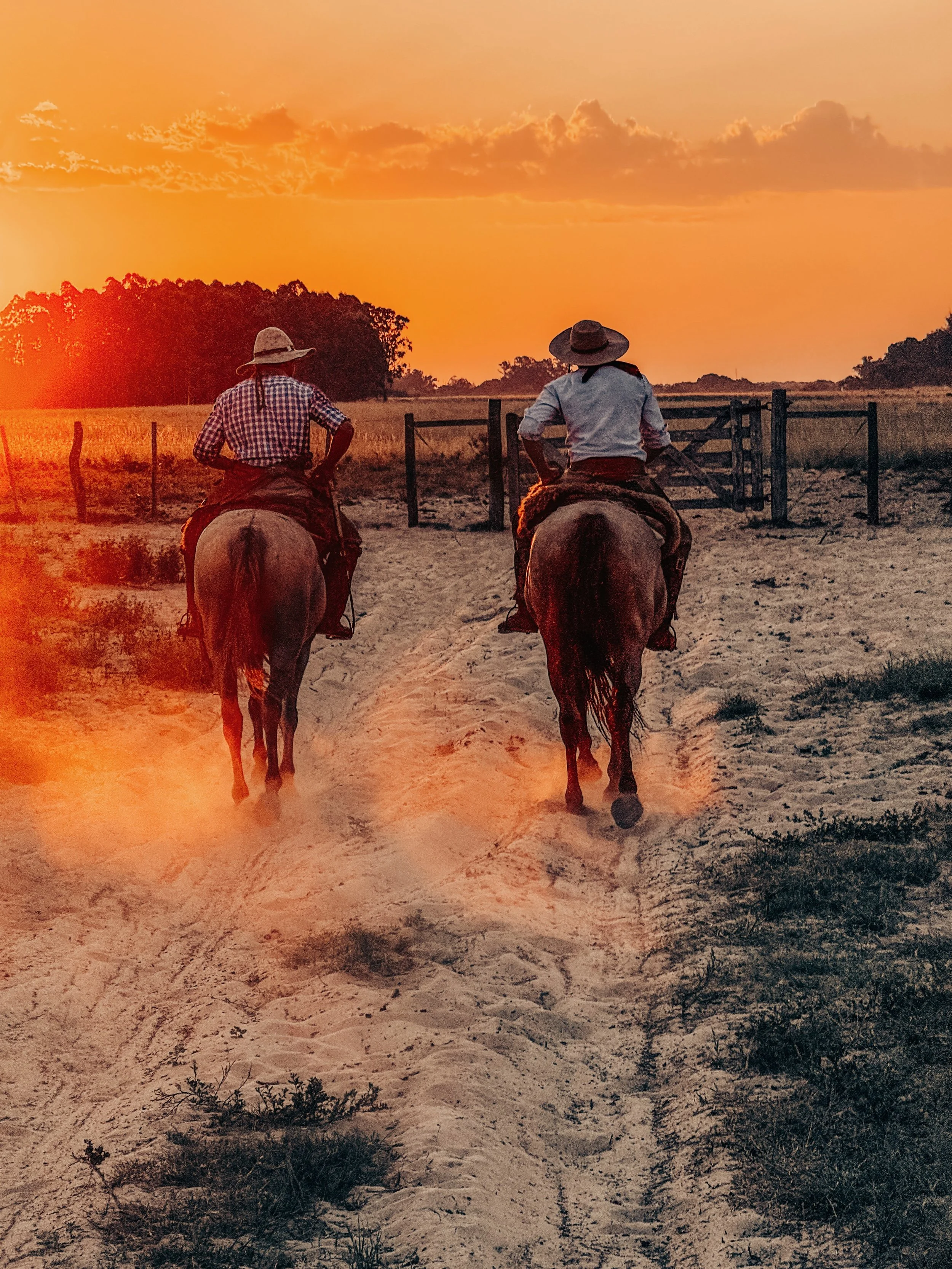
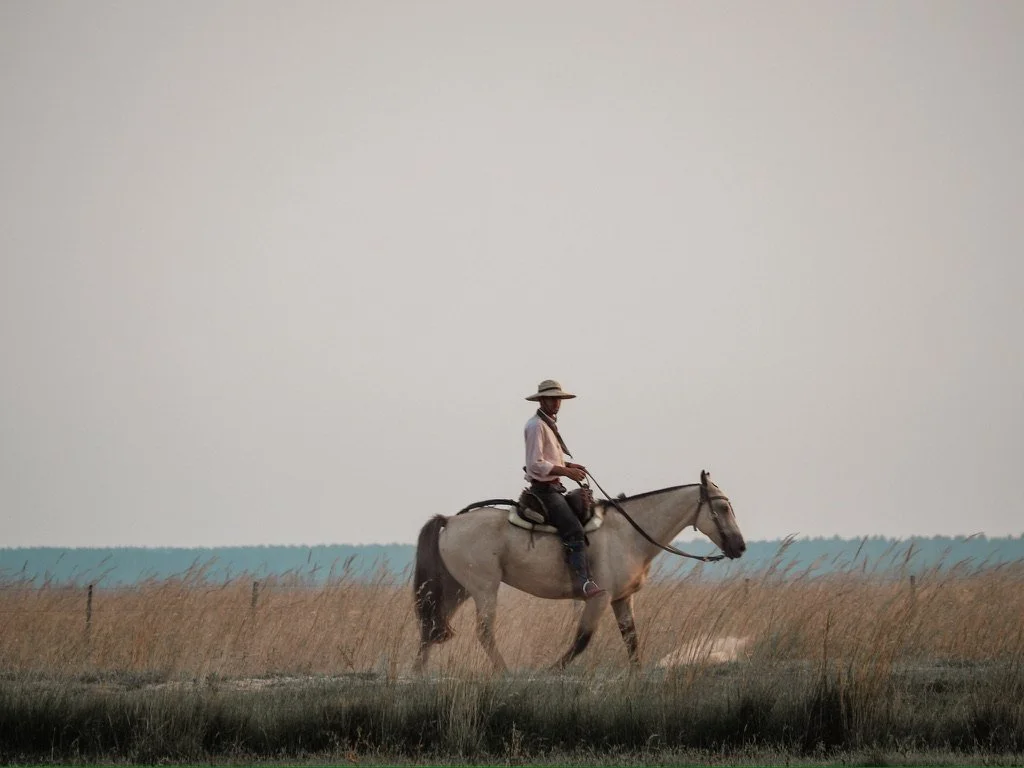
The light turns gold, then copper, then disappears altogether. You're moving through the esteros with water up to the horses' chests, the gauchos riding ahead as though they've travelled this route a thousand times before. Because they have.
Some days you're moving cattle. Some days you're learning to throw a lasso. Some days you're crossing open water in the last light of the day while the gauchos talk quietly among themselves in Spanish.
Low. Easy. Familiar.
You don’t understand every word.
Somehow, you understand the moment.
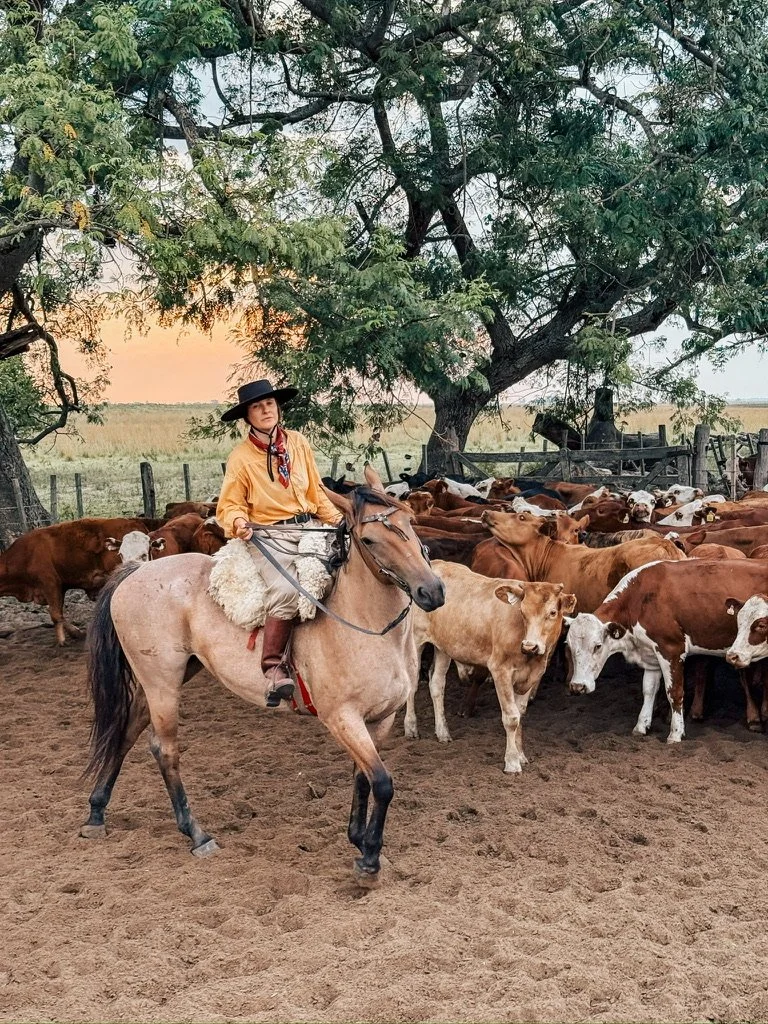
The Landscape Changes you
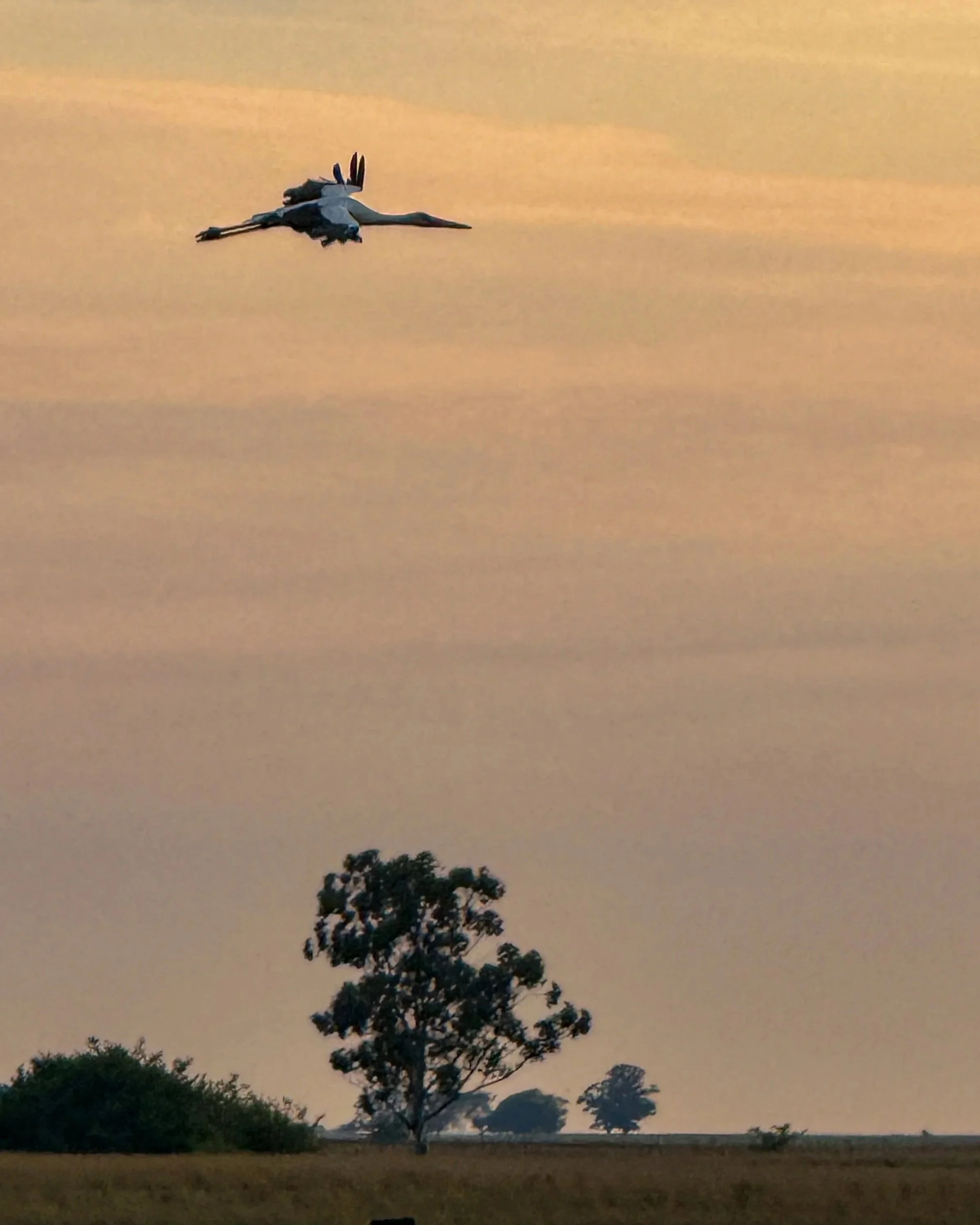
The Argentine pampas meet the Okavango Delta. Part cattle country, part wetland wilderness.
Big sky. Open range. Then suddenly you’re riding through a wetland with birds lifting off around you and water stretching to the horizon.
It’s subtropical. Warm, green, noisy with life.
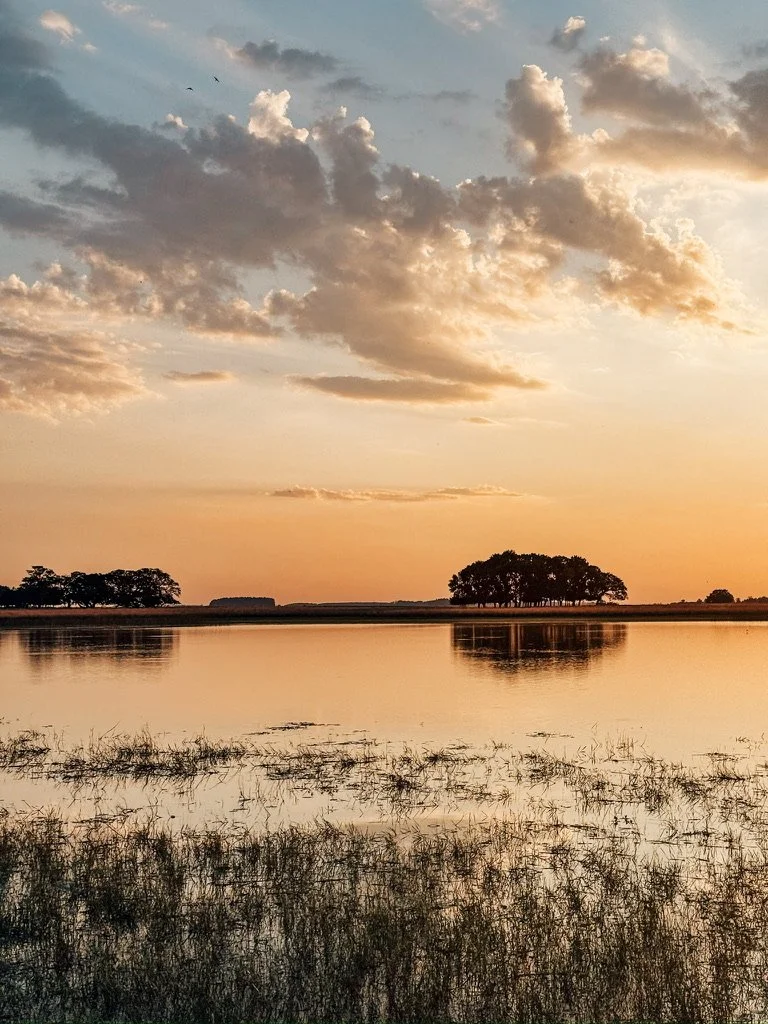
The Iberá is the second-largest wetland system on Earth, with vast lagoons, native forests, open grasslands, and an astonishing array of wildlife. Capybara drift through the marshes. Caimans slip beneath the surface. The birdlife alone could become a full-time occupation.
And many of us gave it a respectable attempt.
There are birds you hear long before you see them. Birds so brightly coloured they look entirely made up. There are pink ones. Even their bills are ridiculous.
It didn’t take long before the gauchos started hopping off their horses to collect the bright pink feathers whenever they spotted one, handing them to us before climbing effortlessly back into the saddle.
Parakeets nest in the trees around the estancia, filling the mornings with noise. We became mildly obsessed with collecting their fallen feathers, often trying to beat the gardeners to them.
Not because we were interested in gardening.
Because feathers.
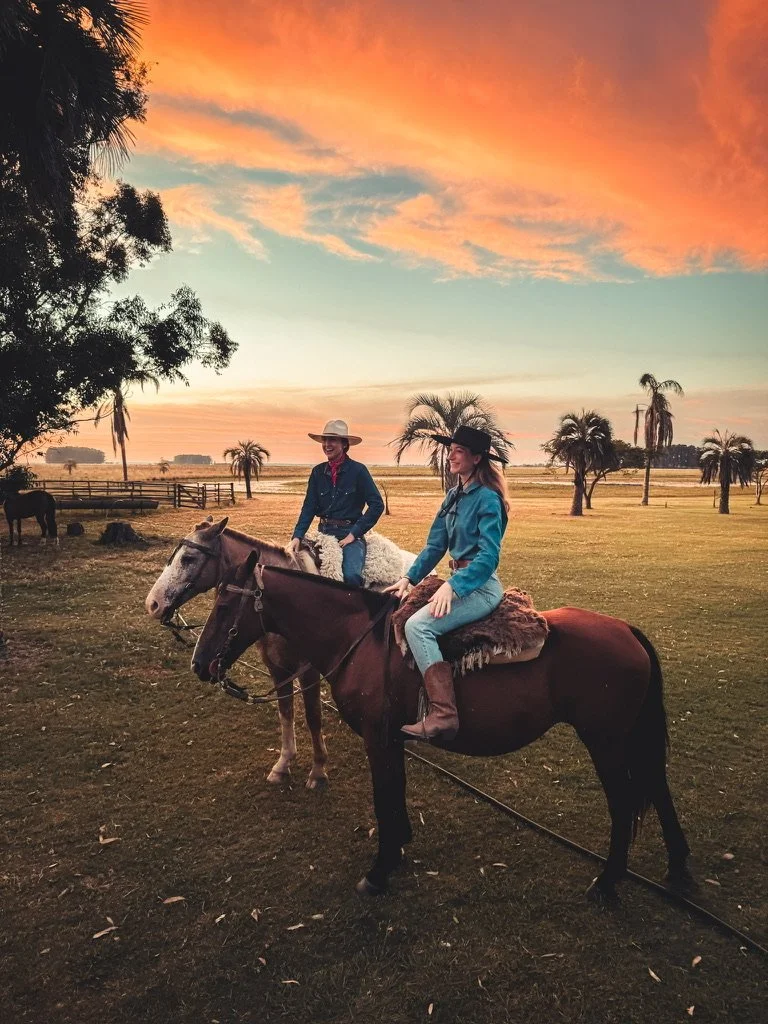
Don Joaquín is run by the family who call this place home. The gauchos have worked this land for years, and they ride alongside you throughout the week. You share the work, the miles, the stories and, eventually, a drink at the end of the day.
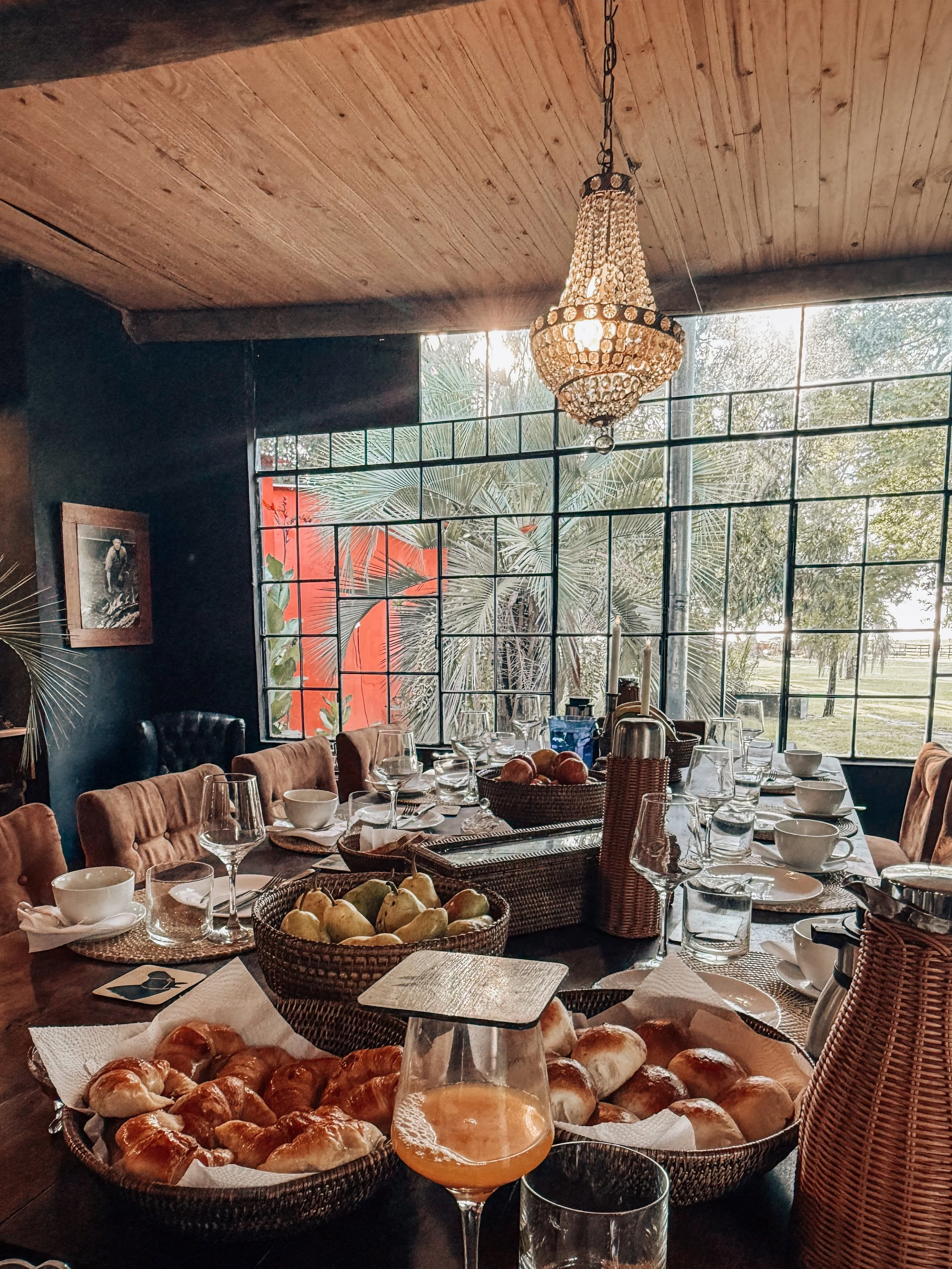
Meals are never hurried. Lunch stretches into the afternoon. Dinner rarely starts before 9:00 or 10:00 p.m. Wine appears on the table before anyone thinks to ask for it. The food is generous, deeply Argentine, and followed by enough dulce de leche to make leaving feel genuinely inconvenient.
There’s a cooking class if you’re inclined. We learned to make empanadas.
Some were perfectly respectable.
Some were absolutely terrible.
The ones at dinner put ours to shame.
A week earlier, finishing dinner close to midnight before setting an alarm for 4:45 a.m. would have sounded completely unreasonable. By the end of the ride, it feels perfectly normal.
That’s what makes this place different.
You’re not observing ranch life from a comfortable distance.
You’re part of it.
-
Fly into Buenos Aires: EZE for international flights or AEP for domestic connections. It’s worth spending a day or two in the city before and after your estancia.
From Buenos Aires, take the overnight Empresa Silvia bus from Retiro Bus Terminal, Gate 3. It departs at approximately 8:30 pm and arrives in Esquina at around 4:00 am. Book an upper-deck lie-flat seat, which includes a blanket and pillow. Ezekiel will meet you at the station, and the transfer to the estancia is arranged from there.
-
Canadian passport holders do not require a visa to visit Argentina for stays of up to 90 days. Entry requirements vary by nationality, so check with your local Argentine embassy or consulate before travelling.
-
Travel insurance is not optional. It is a requirement to ride with us, and equestrian coverage is essential. I use and recommend World Nomads. Purchase your policy before you travel.
-
Best riding is November to March. The estancia is open year-round. Expect subtropical heat, humidity, and dust. Pack accordingly.
-
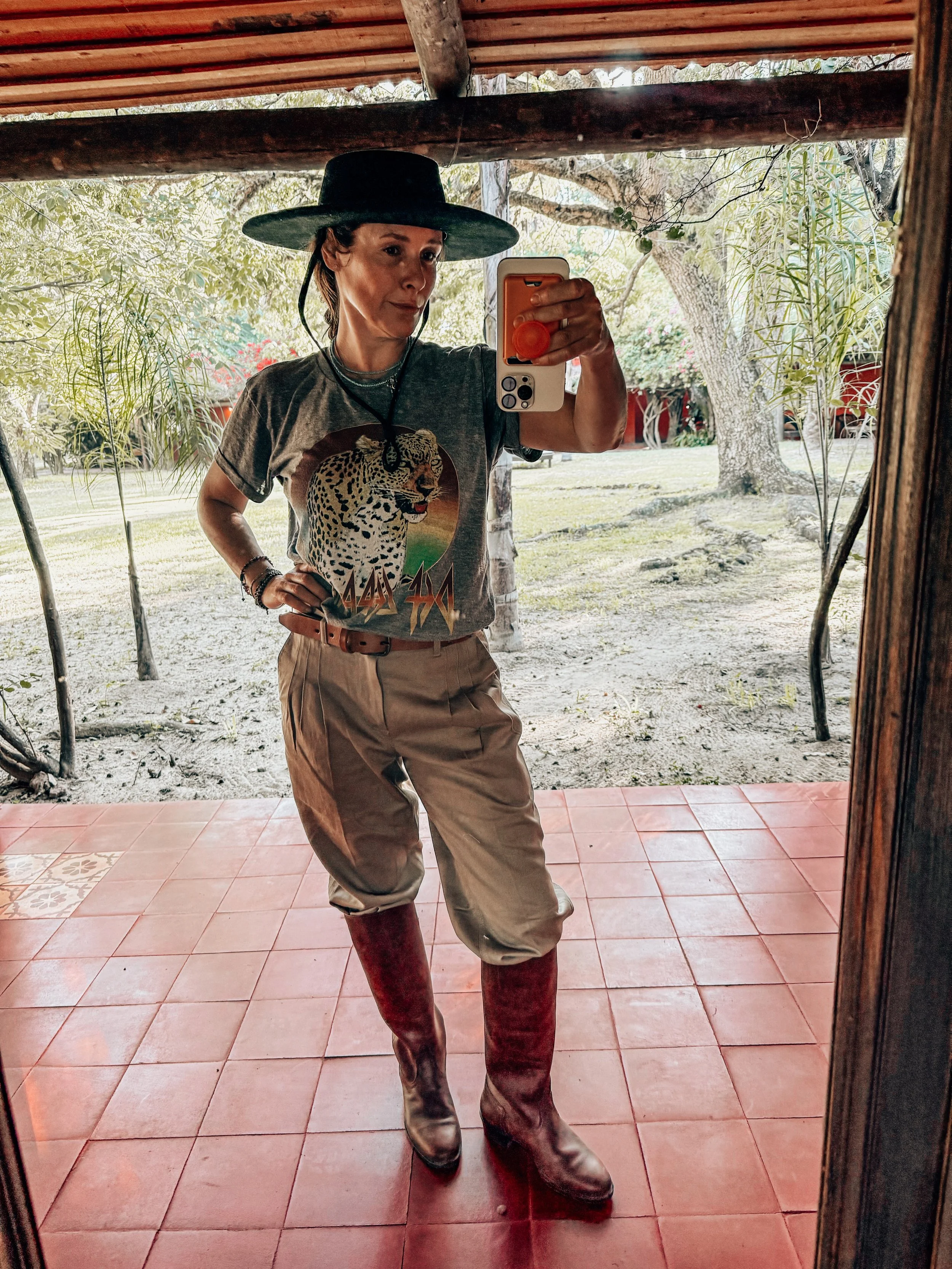
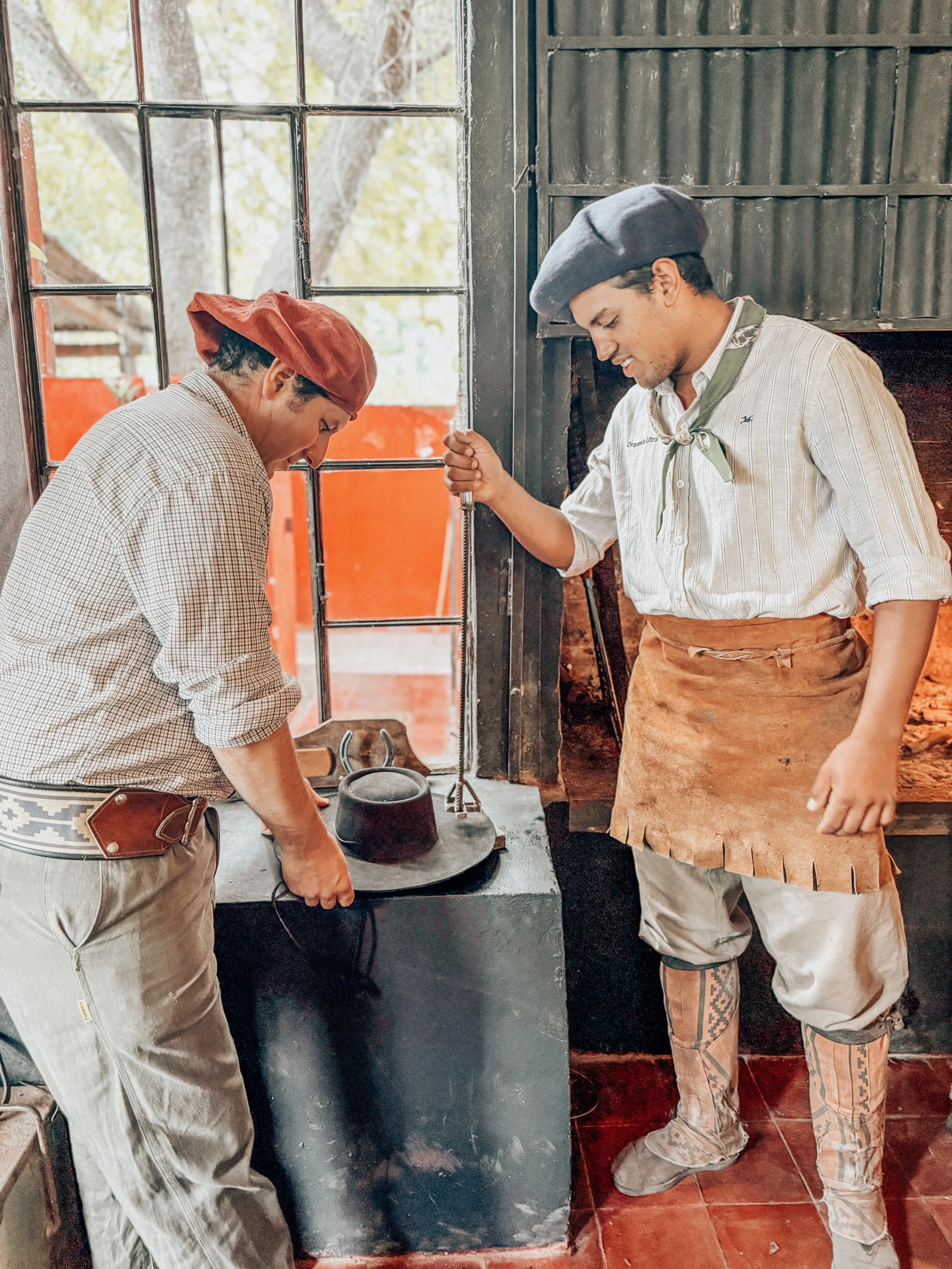
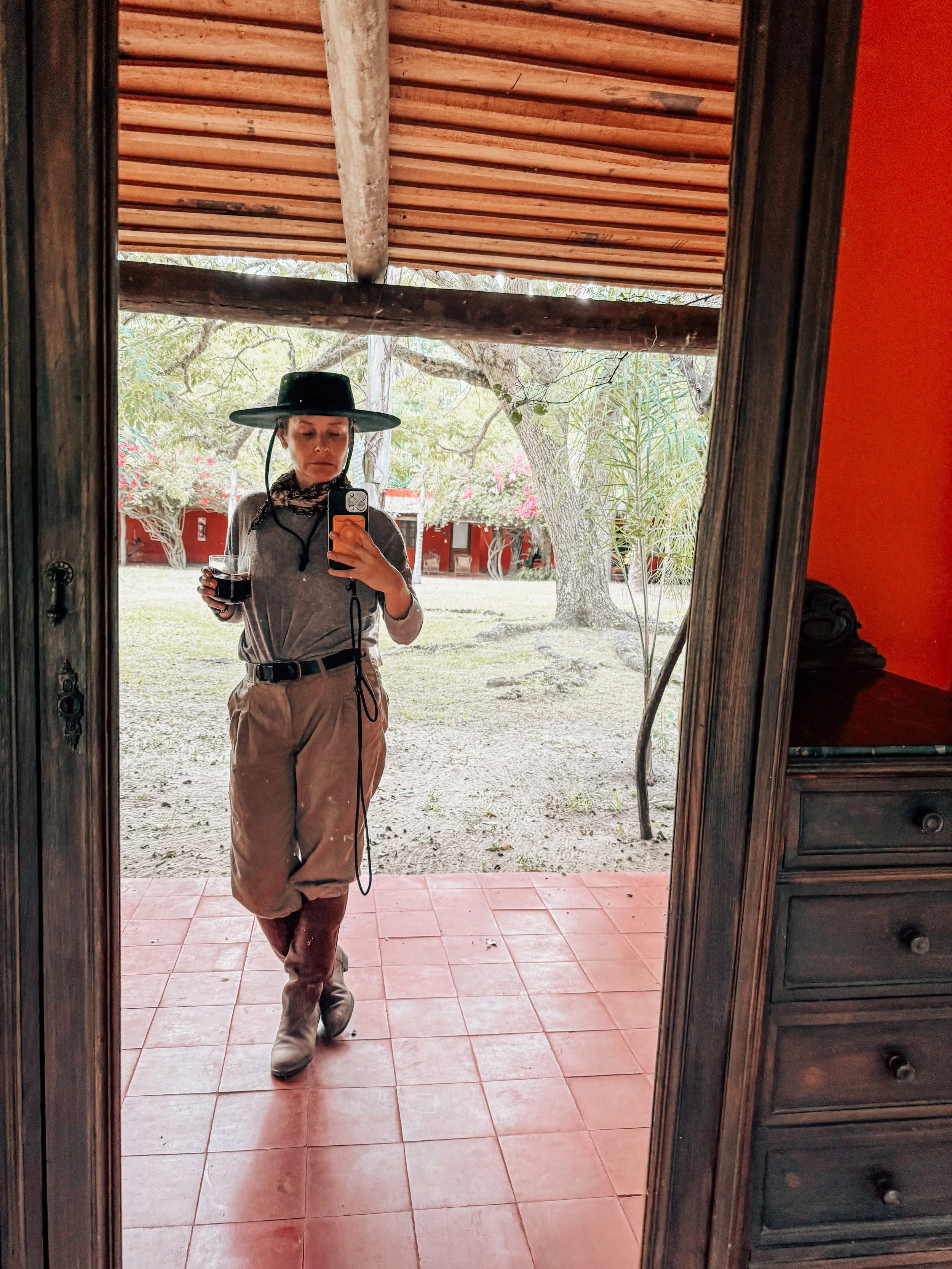
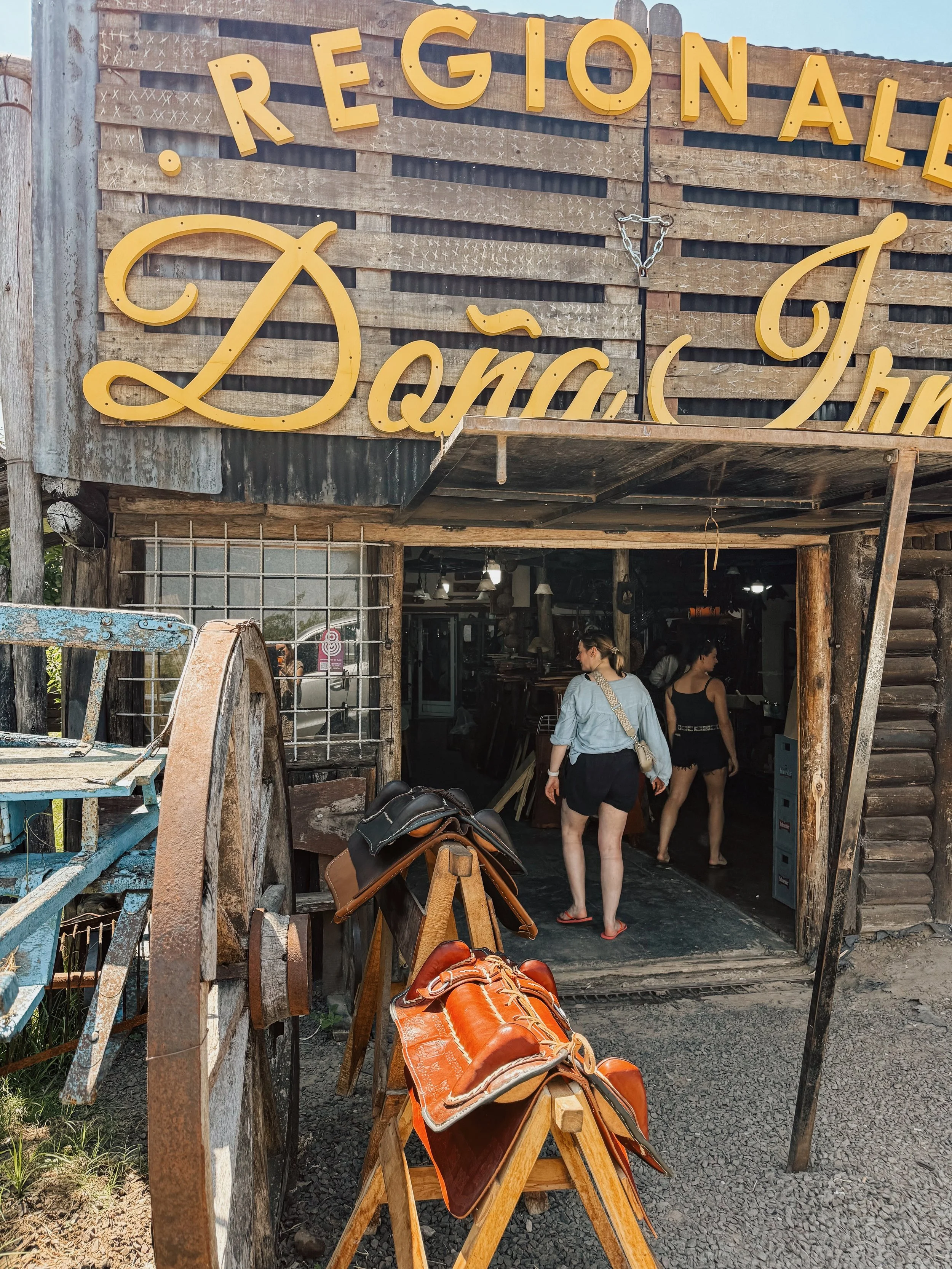
Bombachas, the traditional gaucho trousers, can be purchased in Buenos Aires at Arandu or Aux Charpentier, and in Esquina at Doña Irma. I wore my English breeches once, hated them, and switched to bombachas and lightweight linen pants as soon as I could. Lightweight denim would work well, too.
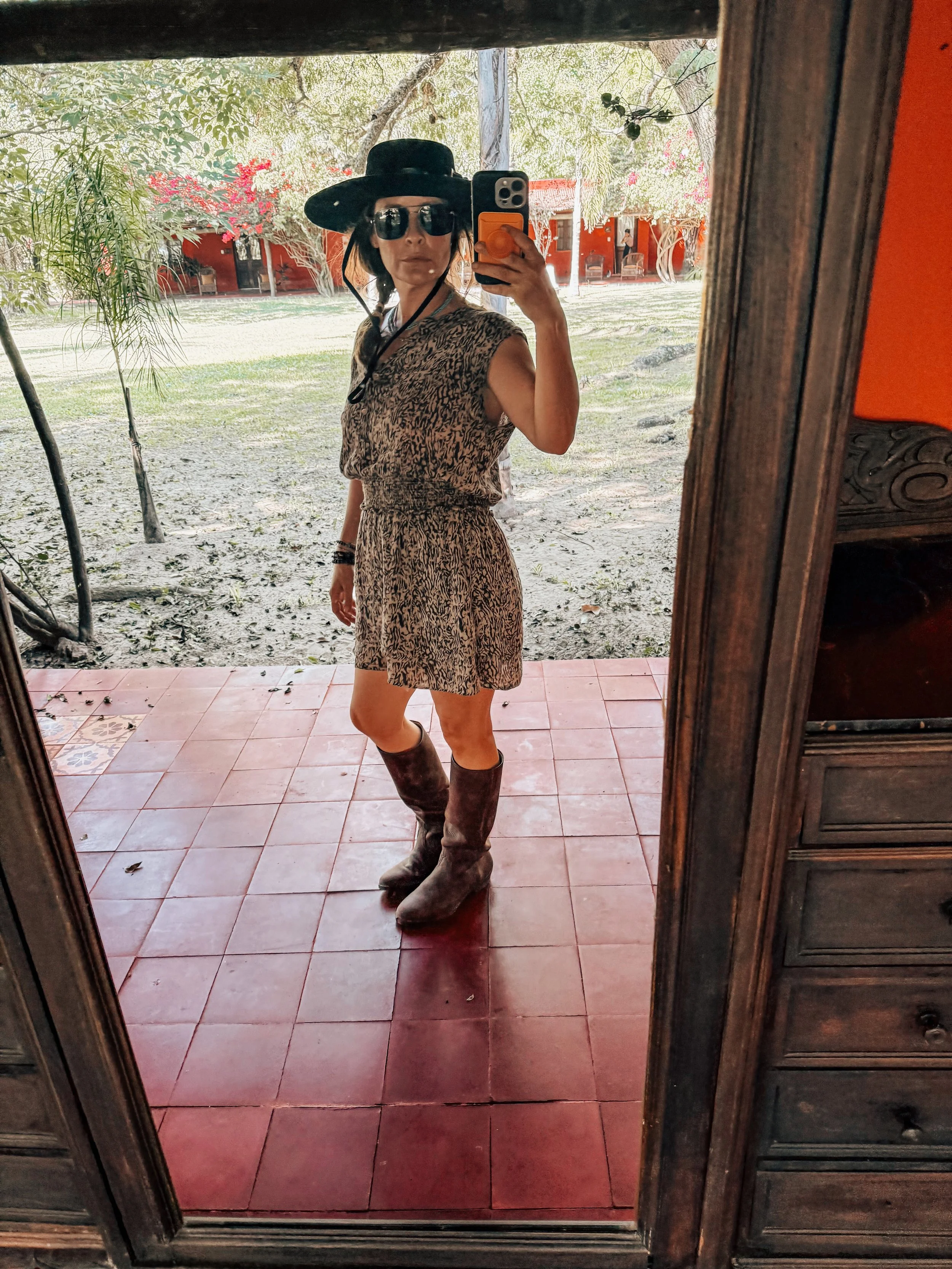
Riding boots you don’t mind getting wet are essential. You’ll regularly ride through deep water. I wore both my tall English boots and a pair I bought in Argentina. Half boots and half chaps would also work, but I wouldn’t bring full chaps. It’s simply too hot.
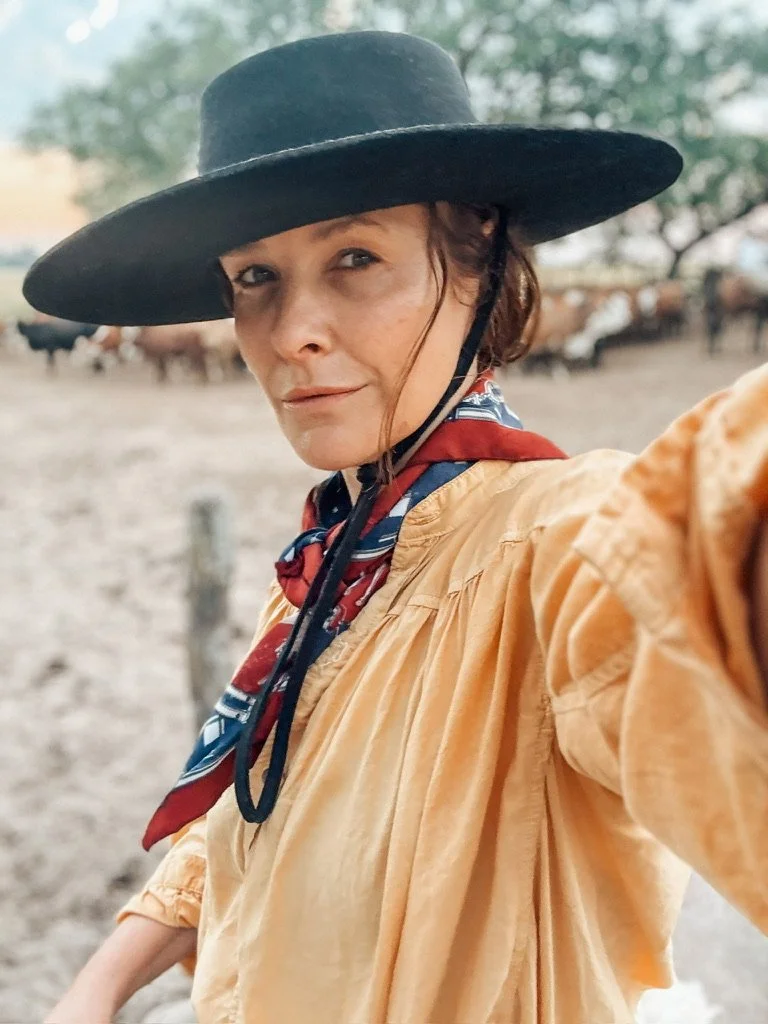
Sometimes I wore my helmet; other times I didn’t. It depended on the ride. If you wear one, I’d recommend adding a sun visor. A cowboy hat that stays on in the wind is equally useful.
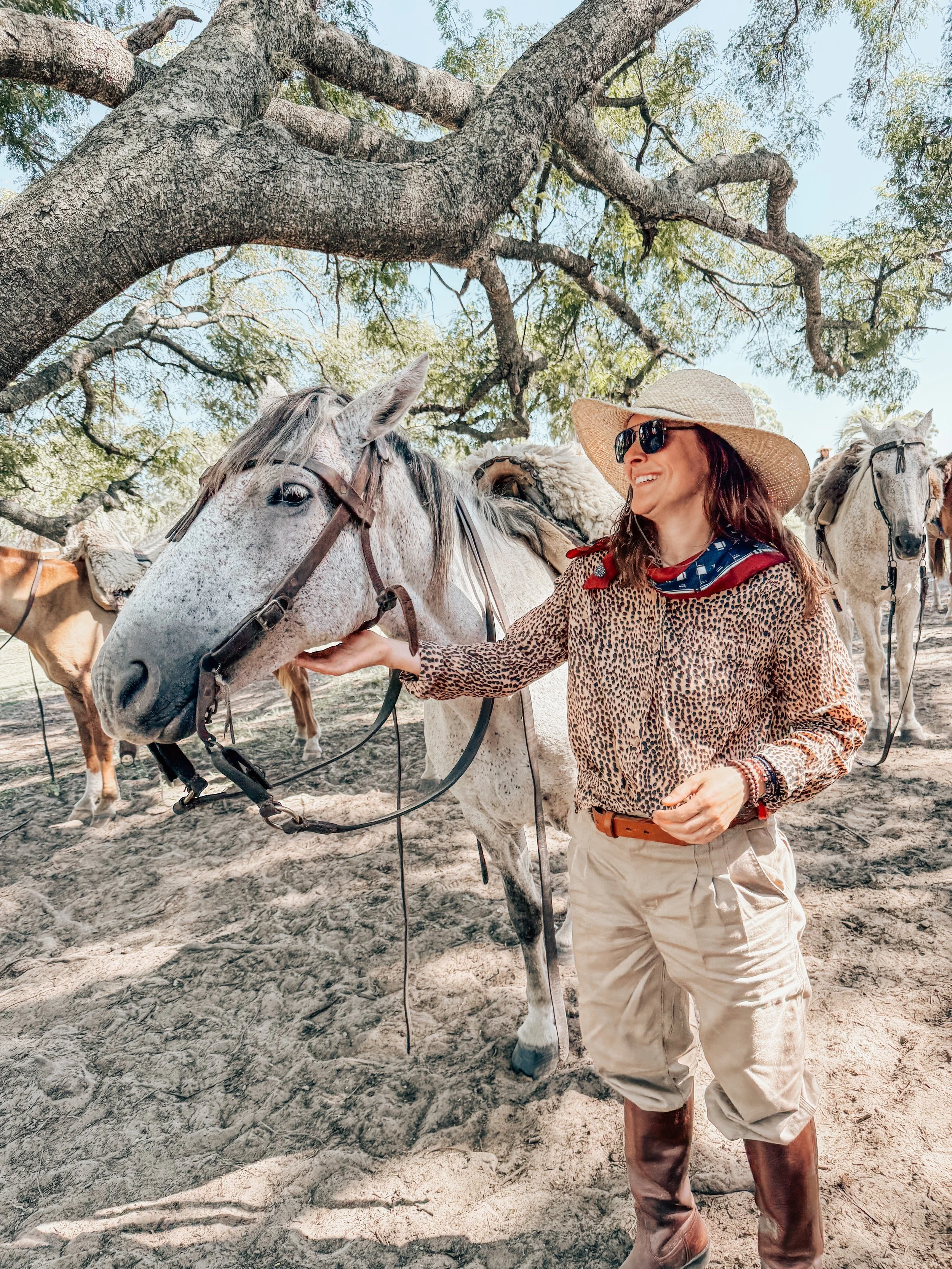
Pack lightweight blouses, linen clothing, and at least two pairs of sunglasses. Bring a strap to keep them from flying off your face. Bandanas are invaluable, especially when you’re cutting cattle.
Everything will end up covered in dirt and dust, so don’t bring anything precious.
Laundry is available, and I was able to do one load during my stay. It took a few days, so don’t count on a quick turnaround.
Bring a few lightweight outfits that are easy to throw on after a shower or swim. By midday, you’ll be ready to get out of your riding clothes, cool off, and put on something clean before gathering for dinner.
-
Aux Charpentiers, in Monserrat, has been making traditional gaucho clothing since 1888, when it was founded by three Frenchmen. They make made-to-measure bombachas in everything from lightweight linen to traditional gabardine at factory prices. If you have specific sizing requirements, you can pre-order your bombachas before your trip. I had a pair of linen bombachas made for this ride, and they quickly became my favourite thing to wear in the saddle.
Once you arrive in Esquina, don’t miss Doña Irma. It’s the real deal for boots, hats, belts, and ponchos. The prices are better than in Buenos Aires, they accept credit cards, and we ended up going back more than once. I came home with boots, a cowboy hat, a belt, and two ponchos.
If you’re planning to buy a handmade poncho, leave room in your luggage. Mine were too warm to wear during the trip, but they became some of my favourite souvenirs. If I were doing it again, I’d order one of Siesta Argentina’s naturally dyed, handmade ponchos and have it shipped to my hotel before I arrived.
-
Beginners are genuinely welcome. Horses are matched to each rider on arrival, and you’ll likely ride several different horses throughout the week. The gauchos pay close attention and aren’t afraid to switch horses if something isn’t working. The Criollos are forgiving, responsive, and remarkably good at building confidence. You don’t need to arrive as a strong rider. You’ll leave a better one.
Intermediate and experienced riders won’t be disappointed. Expect long canters across open grasslands, working cattle at speed, weaving through forest, and riding through water deep enough to reach your horse’s chest. This isn’t a nose-to-tail trail ride. There are plenty of opportunities to open them up, and the gauchos are more than happy to match your pace.
-
The day starts simply with coffee and medialunas before an early ride. Just enough to get you out the door.
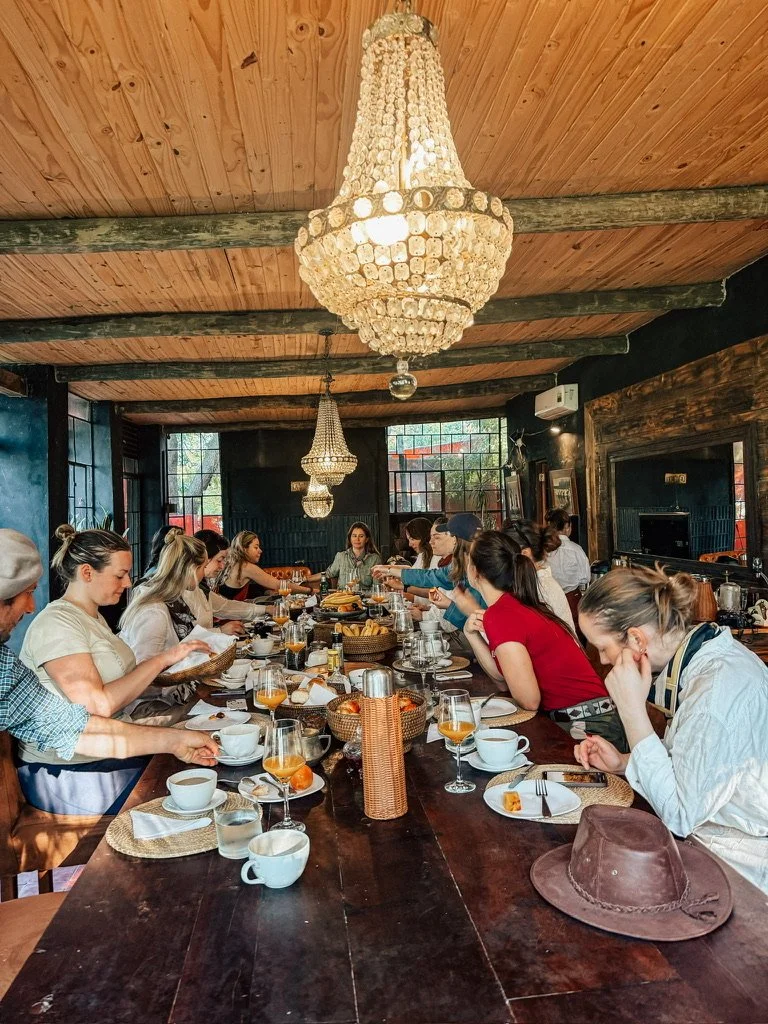
After the ride, everyone gathers for breakfast. Eggs cooked to order, fresh bread, cheese, cold cuts, fruit, juice, and plenty of coffee before the pace of the day slows down.
Lunch is relaxed, followed by time to do whatever appeals. Swim in the pool, read a book in the shade, have a nap, or simply enjoy the luxury of having nowhere to be.
Dinner is the event. The asado is lit, the wine is poured, the gauchos join the table, and nobody is in a hurry to leave.
One afternoon we learned to make empanadas. Ours were good. The ones that came out of the kitchen that evening were considerably better, which tells you everything you need to know about the food.
Dietary requirements are handled without fuss. Just let them know when you book.
-
Your stay includes accommodation in one of the estancia’s 15 ensuite rooms, all meals, wine, cocktails, horses, tack, guiding, transfers to and from Esquina, a cooking lesson, gaucho polo, one visit into town, and high-speed Wi-Fi.
Once you arrive, there’s very little to think about beyond enjoying the experience. The only thing you’ll need to decide is which horse you’re riding next.
-
WiFi and cell service are available in certain areas of the estancia, but don’t expect to be constantly connected. Being off the grid isn’t an inconvenience. It’s one of the reasons you’re here.
-
The following are not included:
International and domestic flights
Accommodation in Buenos Aires before or after your estancia stay
Travel insurance
Return bus from Buenos Aires to Esquina: US$280 per person in 2027
Laundry: US$15 per bag
Body massage: US$80
Golden Dorado fly fishing: US$600 per day
Wildlife safari by 4x4: US$250, maximum four guests
Two-hour motorboat safari: US$350, maximum four guests
Gratuities for the guides and house staff
We tipped as a group at the end of the week, and the gratuities were divided among the team. Once I confirm the recommended daily amount, I’ll add it here.
-
What It Costs
2027 seven-night rates
Standard: US$2,100 shared • US$2,450 solo
Junior: US$2,450 shared • US$2,800 solo
Master: US$2,800 shared • US$3,150 solo
Premium: US$3,150 shared • US$3,500 solo
Estanciero: US$4,200 shared • US$4,900 solo
Additional costs
Return overnight bus (Buenos Aires to Esquina): US$280
International and domestic flights
Accommodation in Buenos Aires before or after your estancia stay
Travel insurance
Laundry: US$15 per bag
Body massage: US$80
Golden Dorado fly fishing: US$600 per day
Wildlife safari (4x4): US$250 (maximum four guests)
Motorboat wildlife safari (2 hours): US$350 (maximum four guests)
Gratuities for the guides and house staff
Shopping
-
A 30% deposit is required to confirm your reservation.
The remaining balance is due 30 days before arrival.
Guests arriving on the overnight bus can head straight to their room. Your room is reserved from the night before, so there’s no waiting for a traditional afternoon check-in after arriving in Esquina around 4:00 a.m.
On departure day, your room remains available until you leave for the overnight bus, so there’s no need to check out in the morning or spend the day with your luggage.
-
A 30% deposit is required to confirm your reservation.
The remaining balance is due 30 days before arrival.
More than 60 days before arrival: 90% of your deposit is refunded, or you may apply it as a travel credit.
31-60 days before arrival: 50% of your deposit is refunded, or you may apply it as a travel credit.
-
$10–20 USD per day for the gauchos and house staff. Bring USD cash — it's preferred, ATMs in Argentina can be unreliable, and paying cash sometimes gets you a discount.
-
@hhuntingford — Heather's personal behind the scenes
@thewildedit — The Wild Edit
@estanciadonjoaquin — Estancia Don Joaquin
@josefinasolanet — Josefina Solanet
estanciadonjoaquin.com
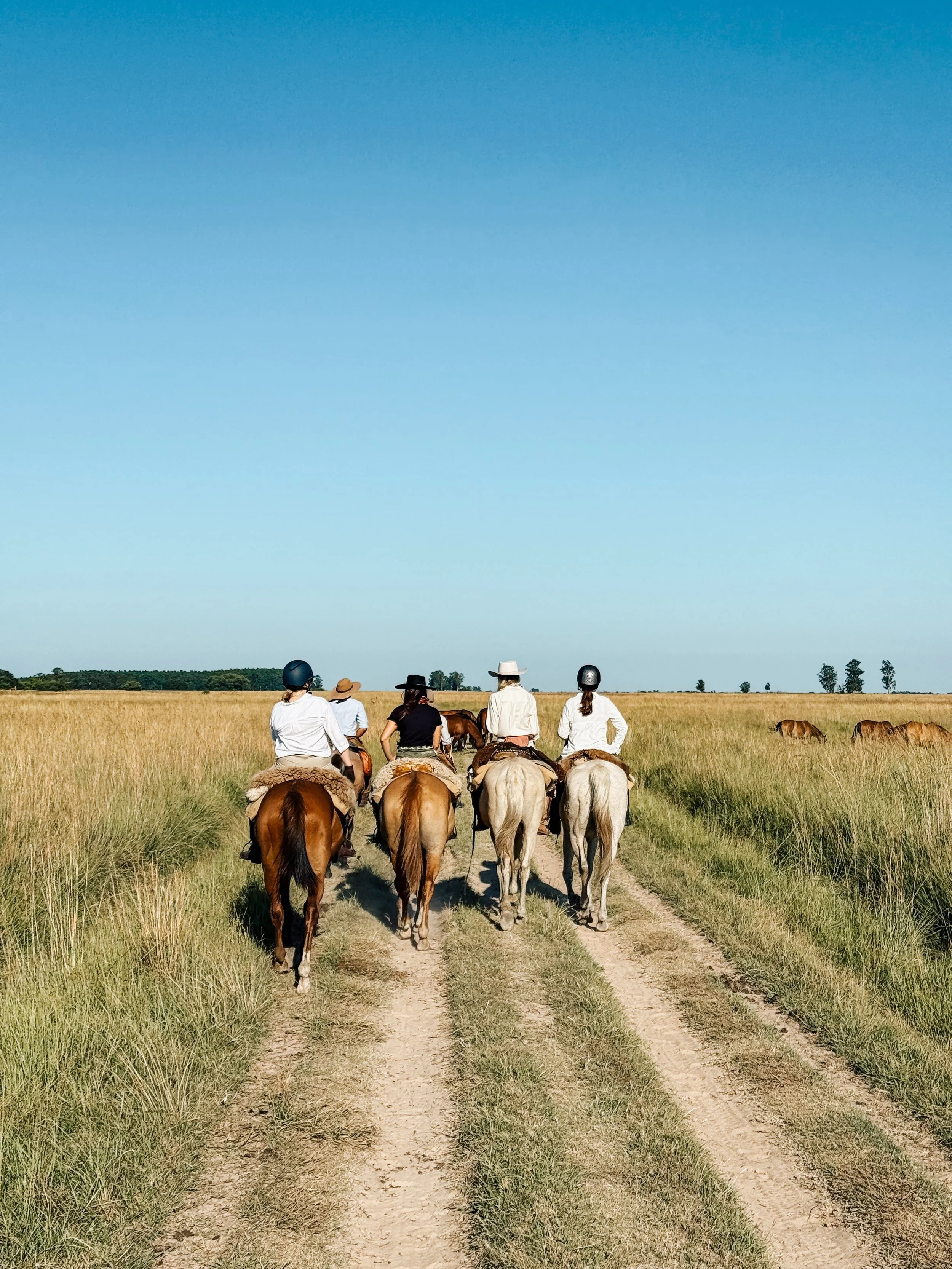
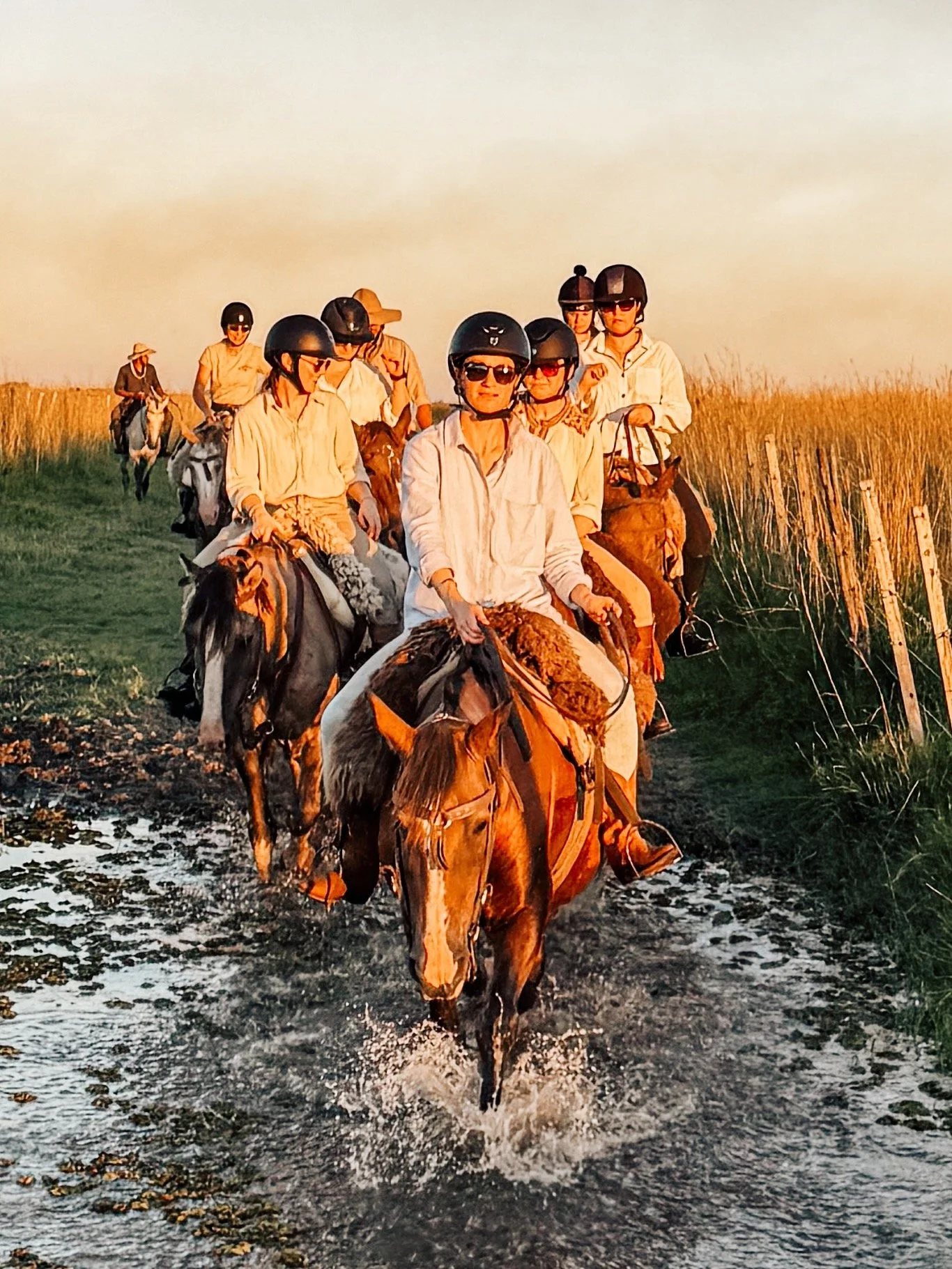
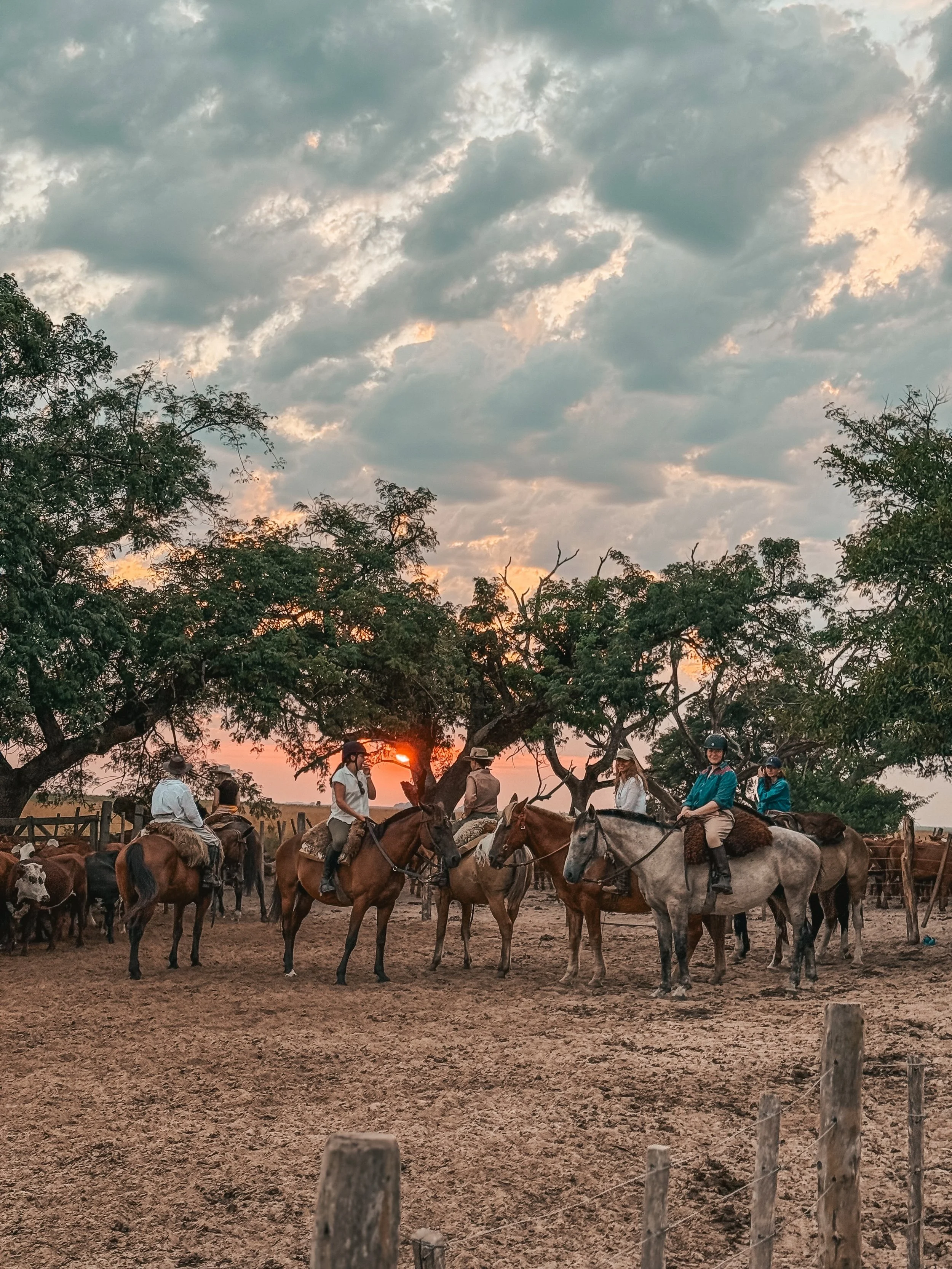
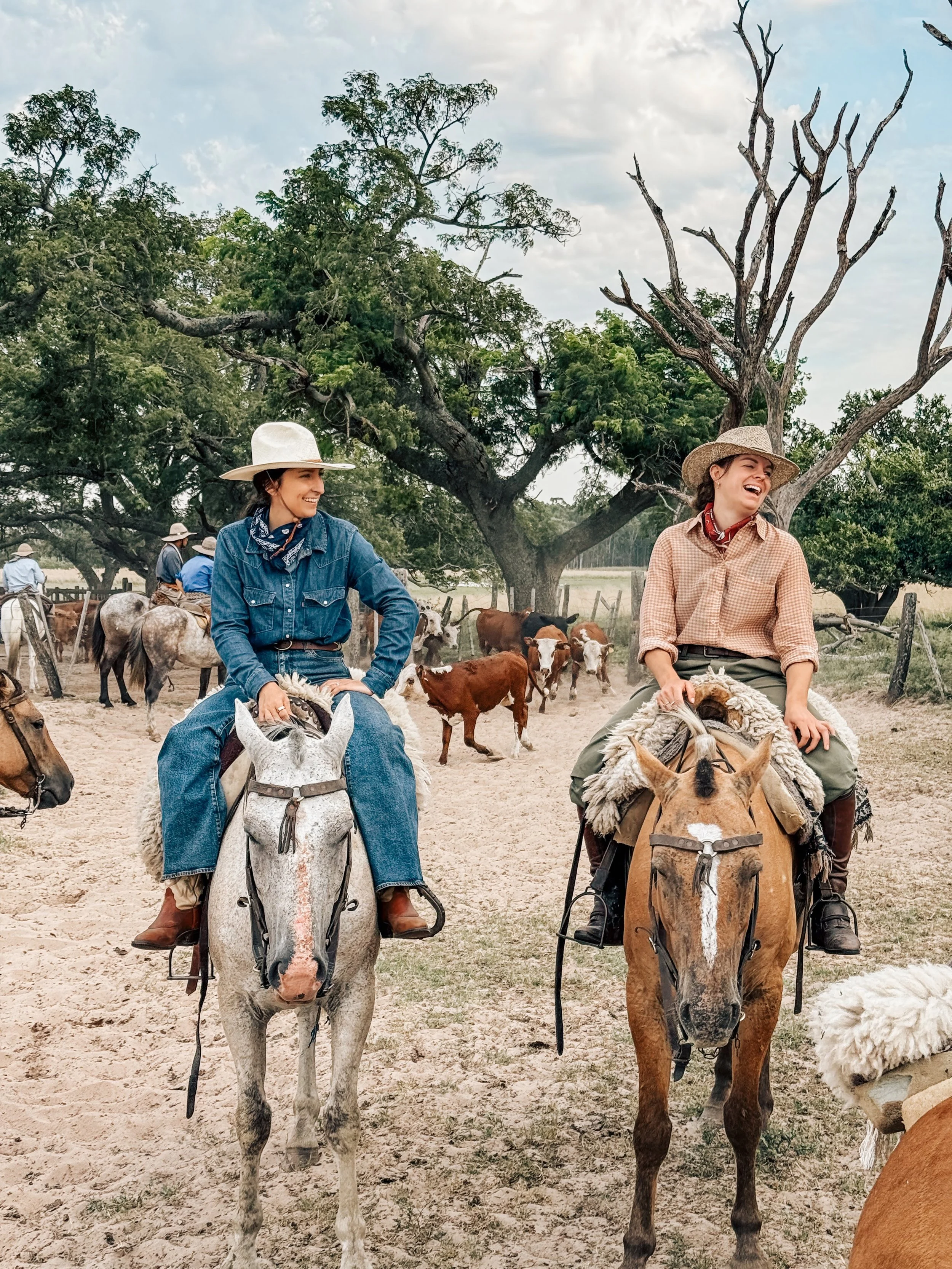
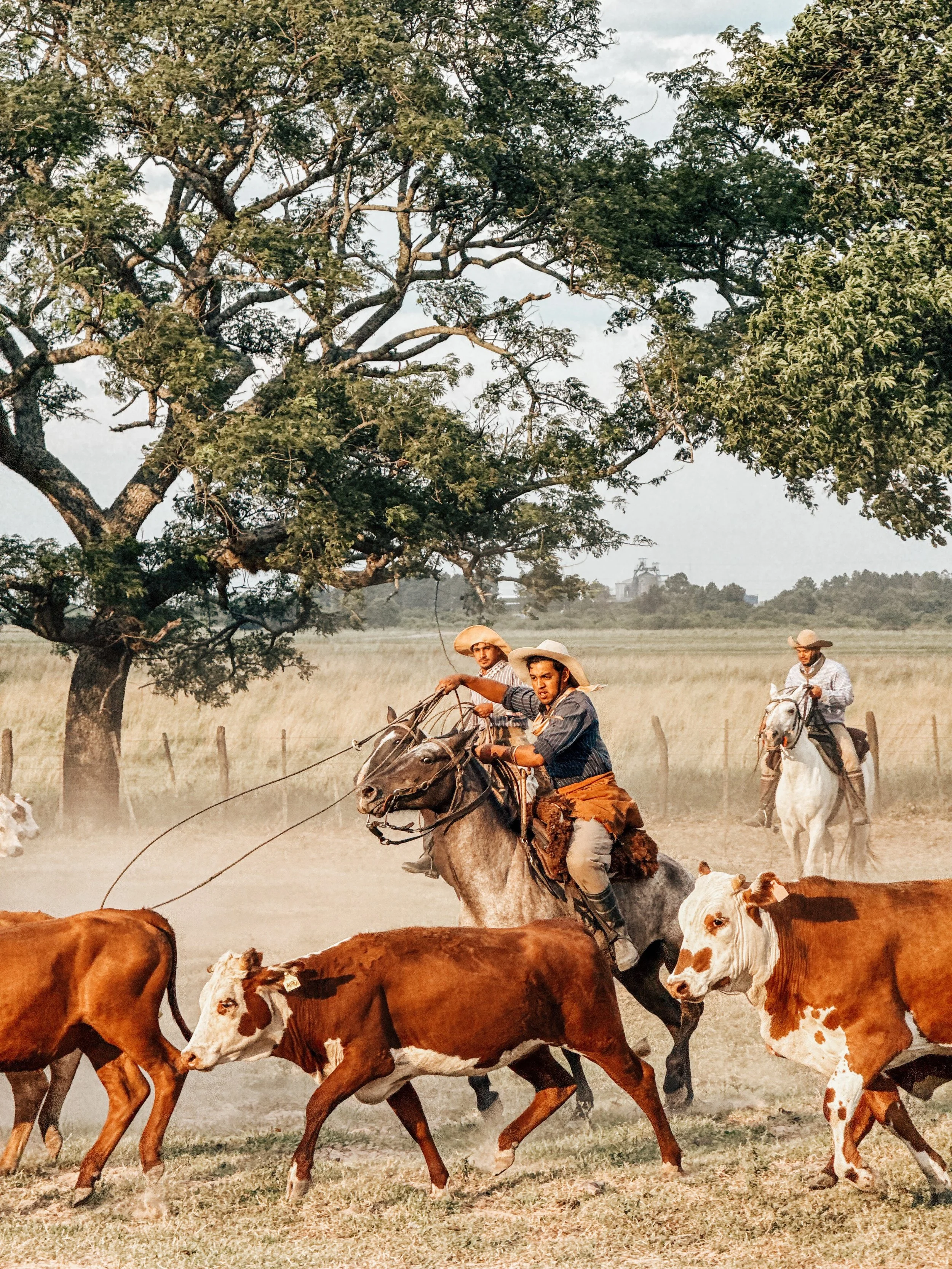
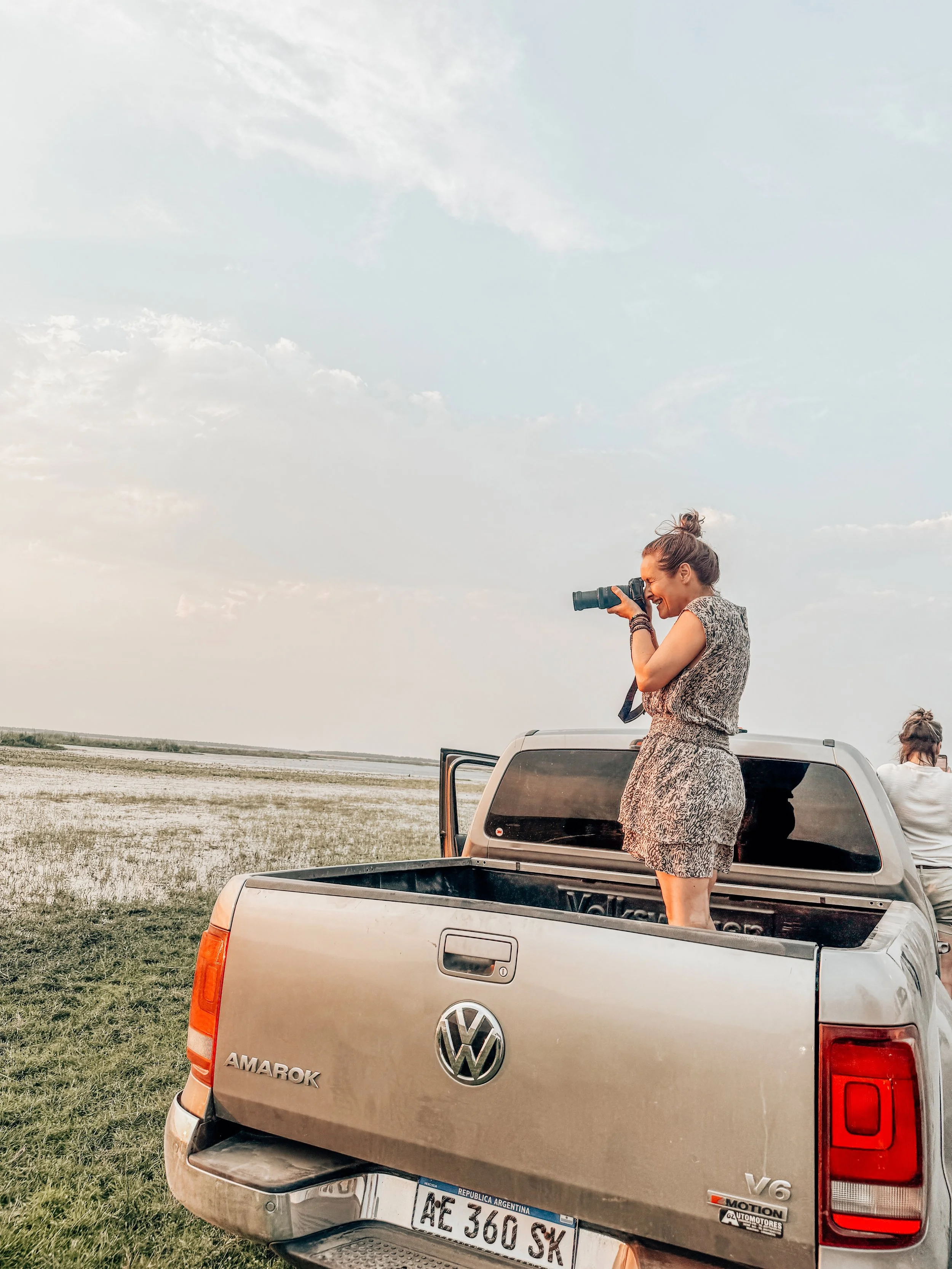
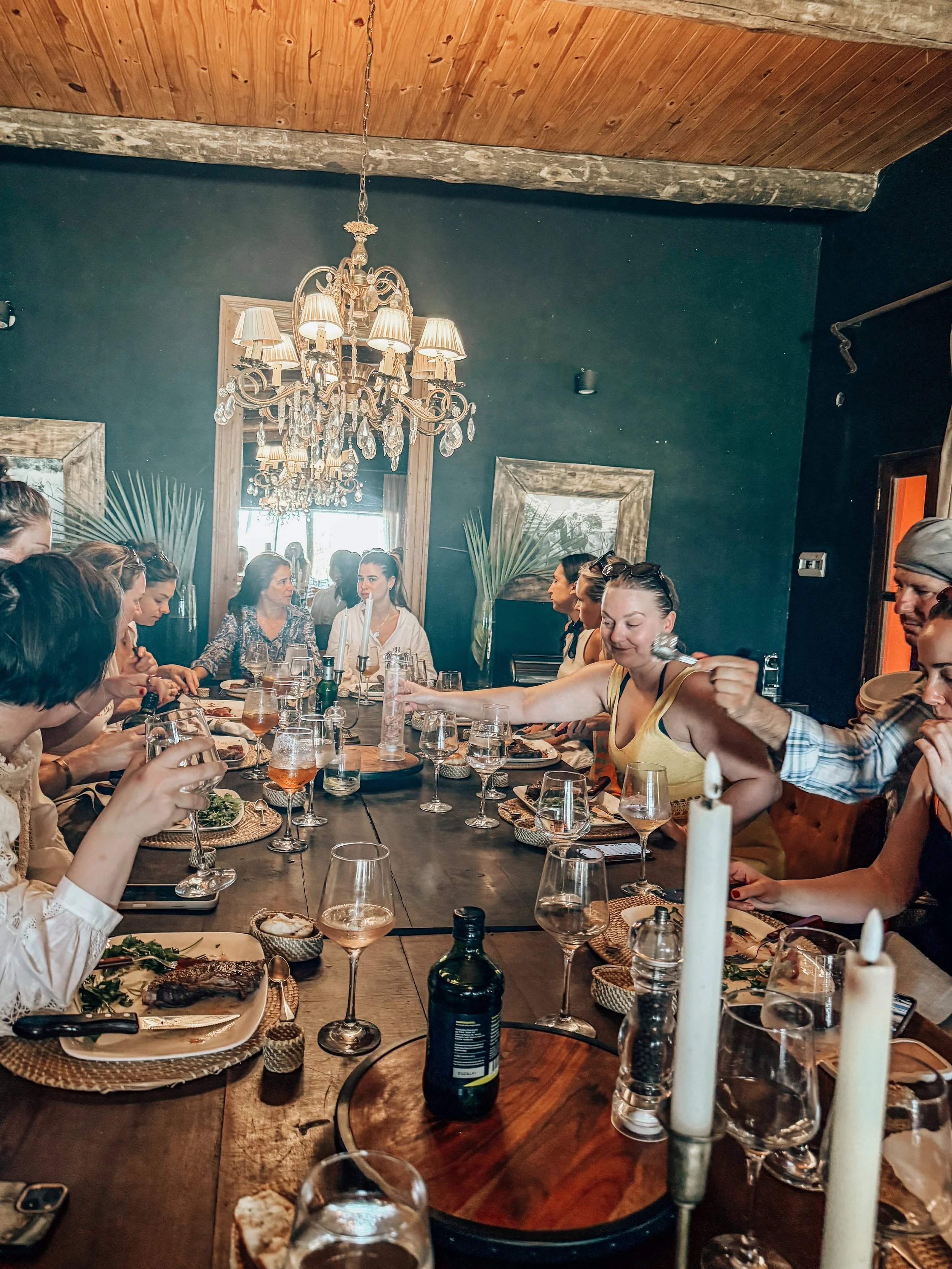
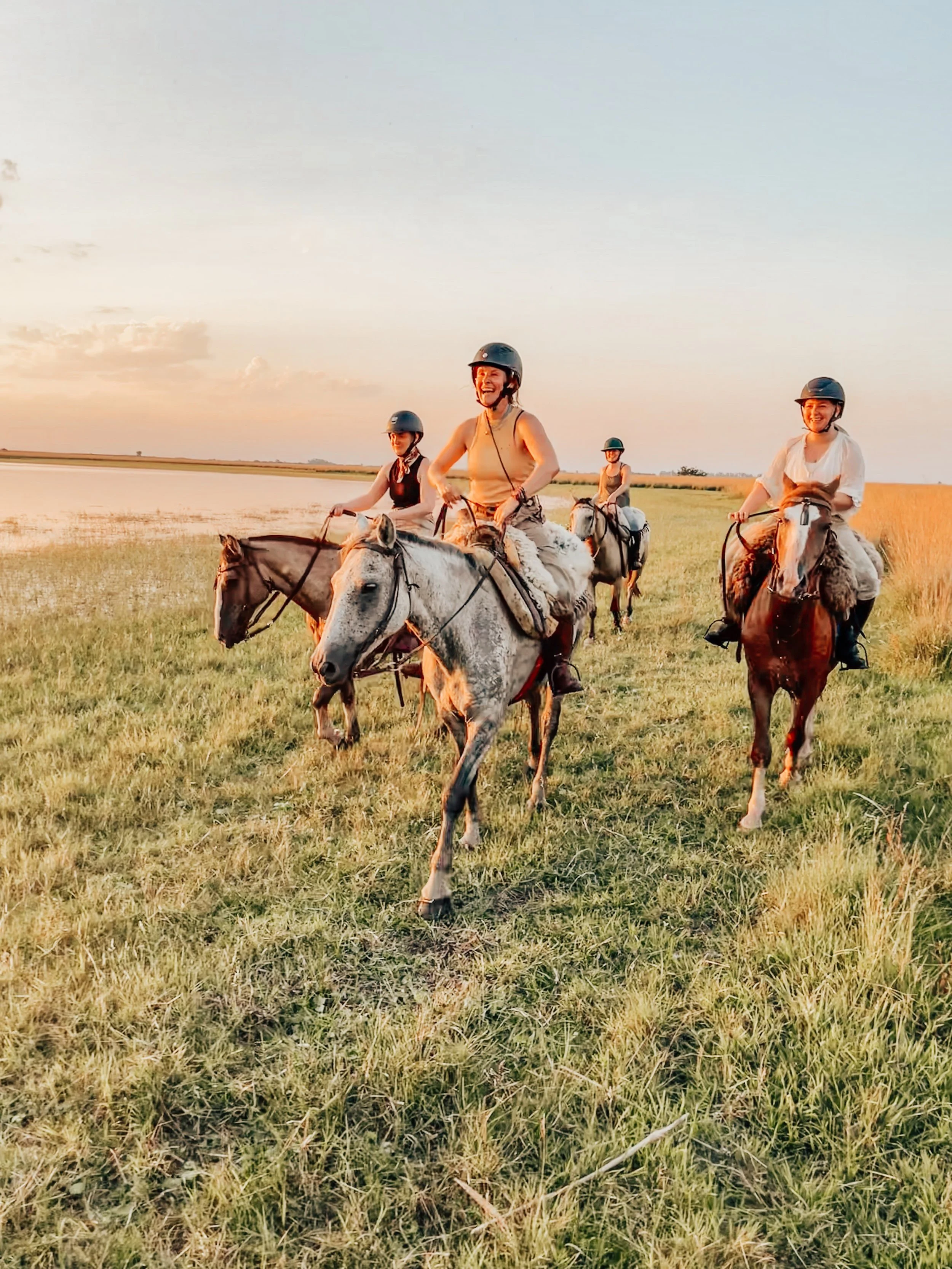
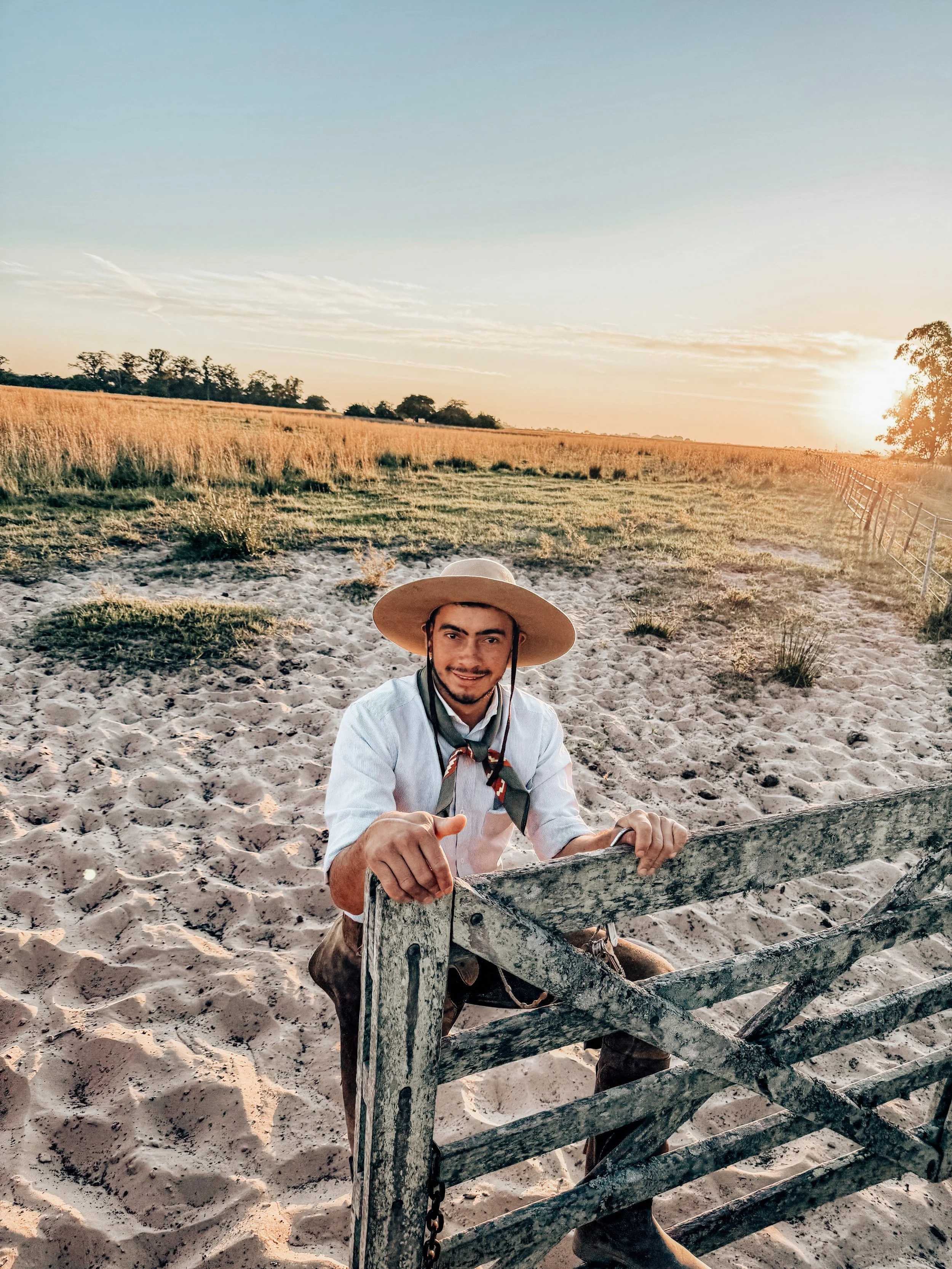
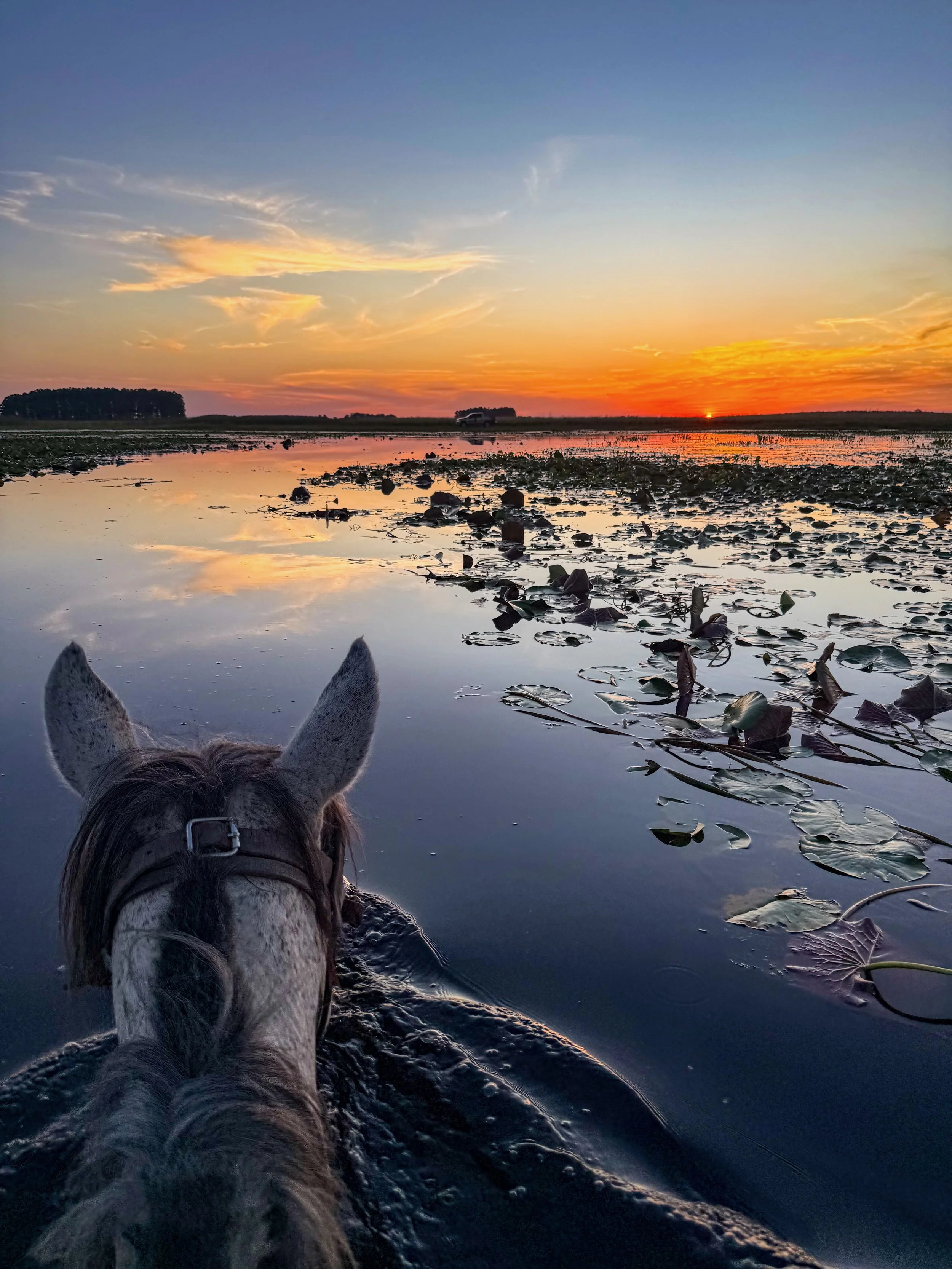
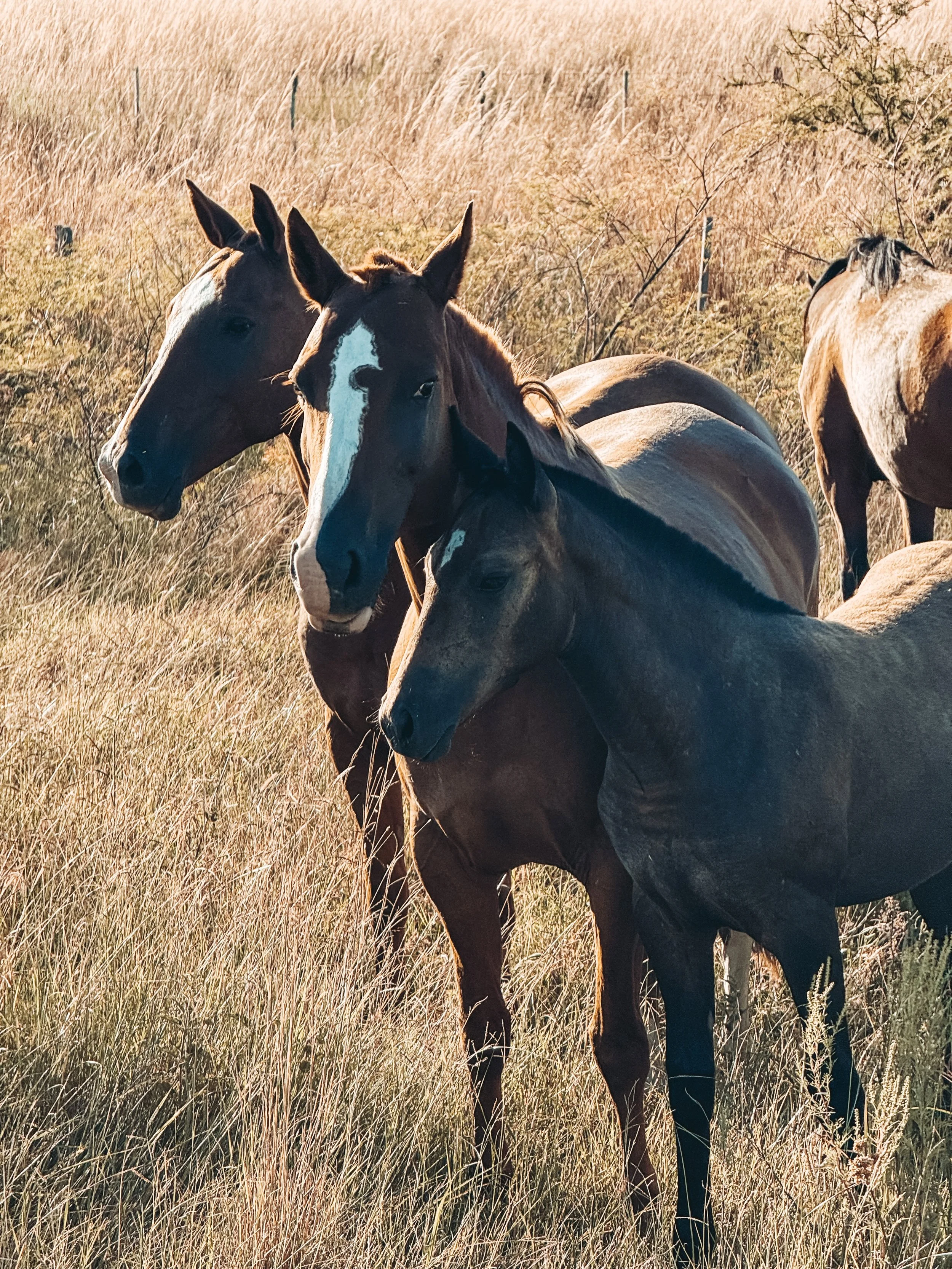
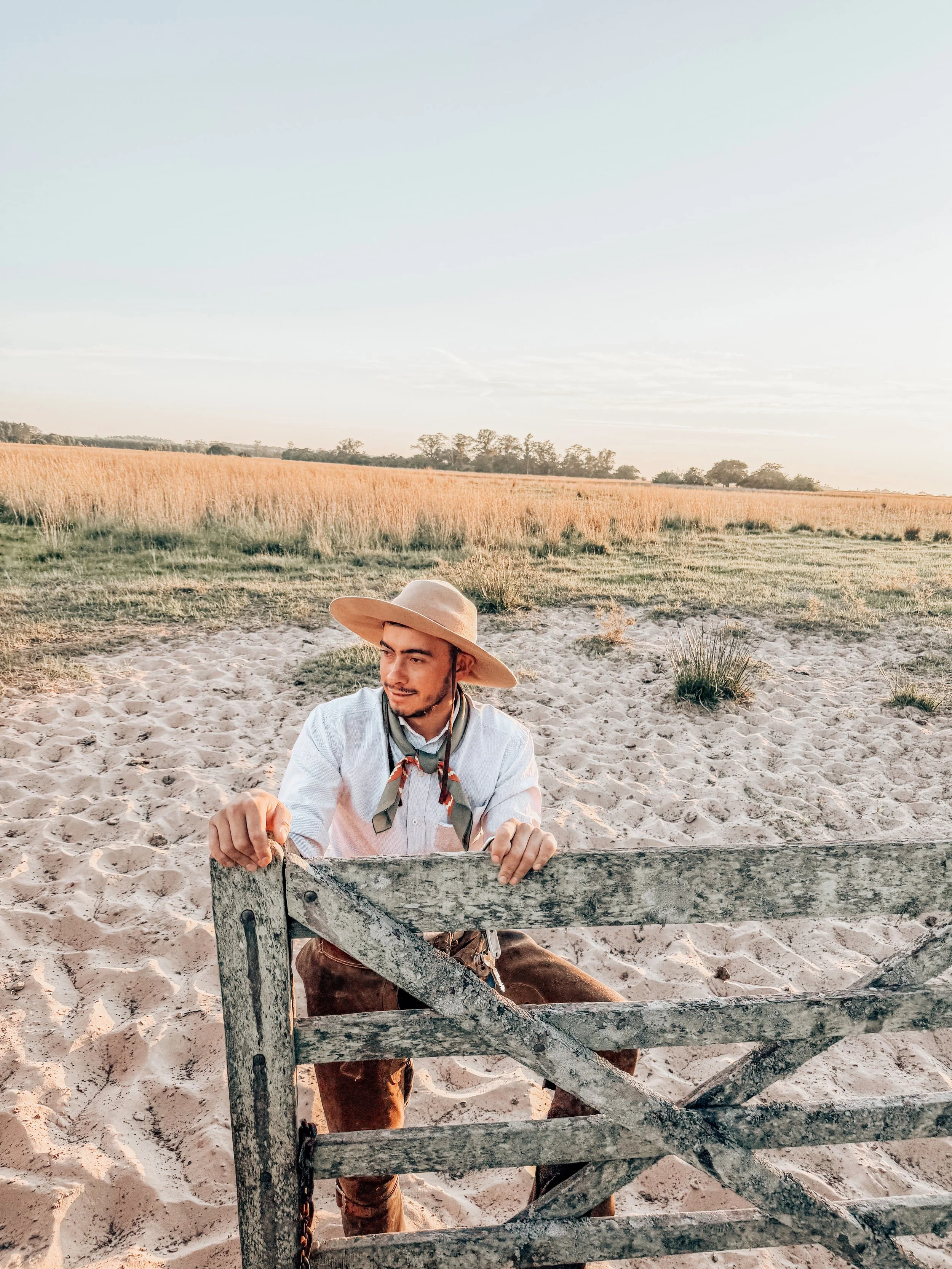
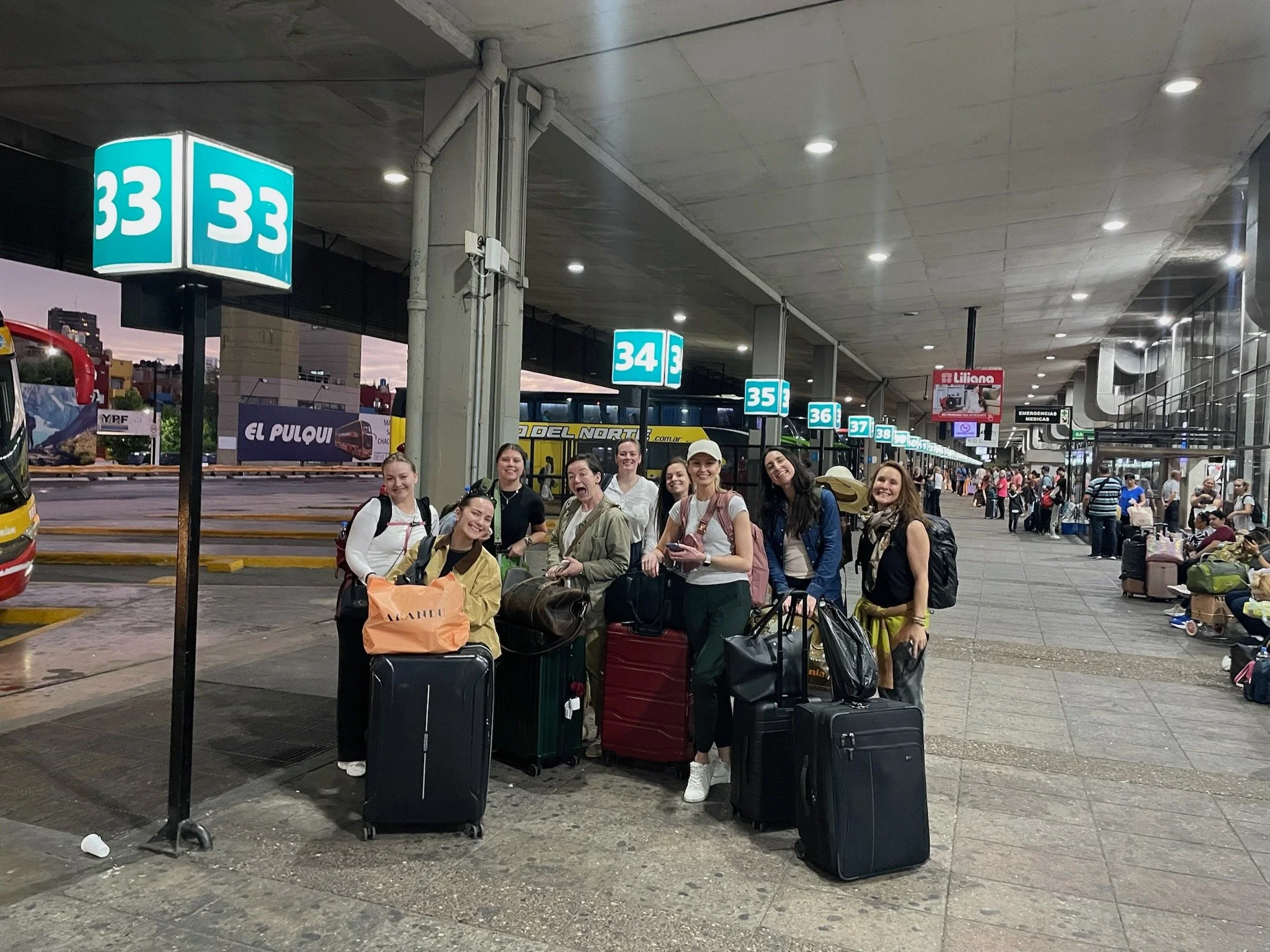
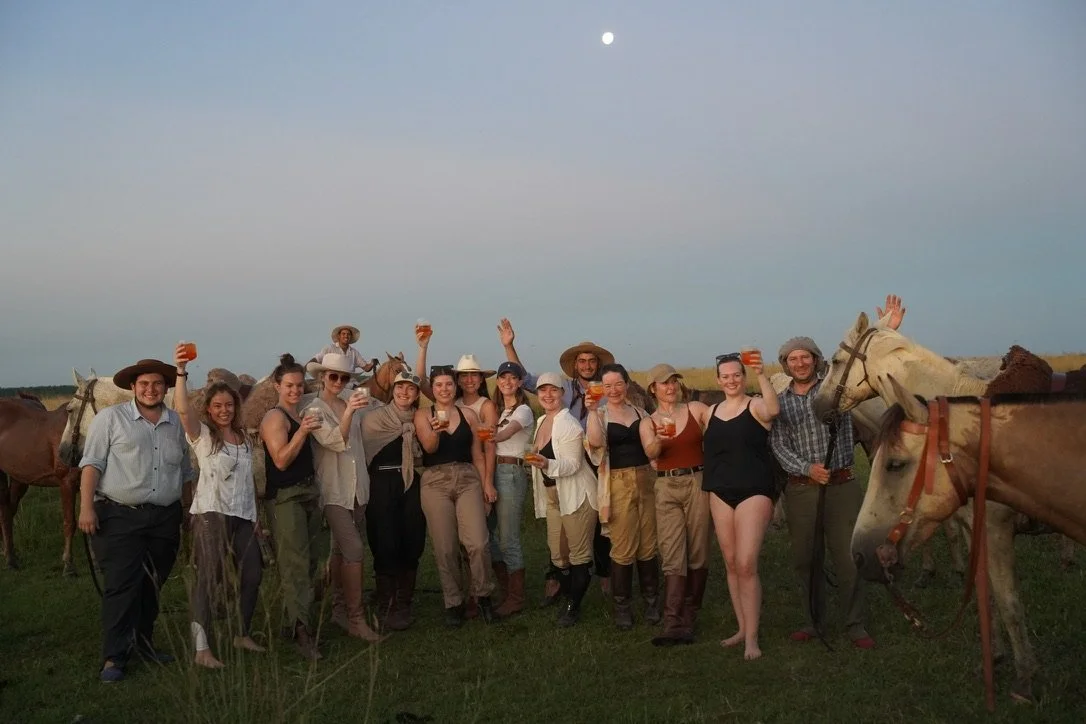
My first trip to Don Joaquin consisted of two pairs of friends, one pair of sisters, and the rest of us showing up solo — thousands of kilometres from home, in a country with a different language, to go horseback riding.
To go to horseback camp.
Which, when you think about it, is a wonderfully unhinged thing to do.
Around that table sat decades of experience, endless curiosity, and enough laughter to fill the room. If we’d put our heads together, we probably could have solved most of the world’s problems, but oversharing and stories over long dinners felt like a much better use of our time.
You don’t have to wonder if you’ll fit in.
You’re surrounded by people who thought, “Horseback riding in Argentina? Yes, please.”
One thing to expect is flexibility. The itinerary may change, but the adventure doesn’t.
When a heat dome kept us out of the saddle, we spent the day exploring Esquina instead. We visited Talabartería Doña Irma, where boots, hats, and belts proved far too tempting, and more than a few of us went back for a second visit. We learned to make empanadas, explored the river by boat, went birdwatching, and watched golden dorado leap from the water.
With the right people, even a change of plans feels like part of the adventure.
Book the flight.
Do the thing.
See what happens.
A week in Corrientes has a way of making one trip feel like the beginning of something much bigger. It leaves you wondering where you’ll go next, and how soon you can get there.
— Corrientes, Field Note · February 2025
Where in the world?
Maybe you've never done an adventure ride.
Maybe you haven't sat on a horse in twenty years.
Maybe you're wondering whether you're ready.
I wondered that too.
Whether you’re returning to horses after years away or already dreaming about your next expedition, I’d love to have you along.
Join The Wild Edit list for destination reviews, rider guides, hosted departures, and honest advice for women finding their way back to horses.